
Kenya's Rising Cost of Living Leaves Low-income Earners Struggling
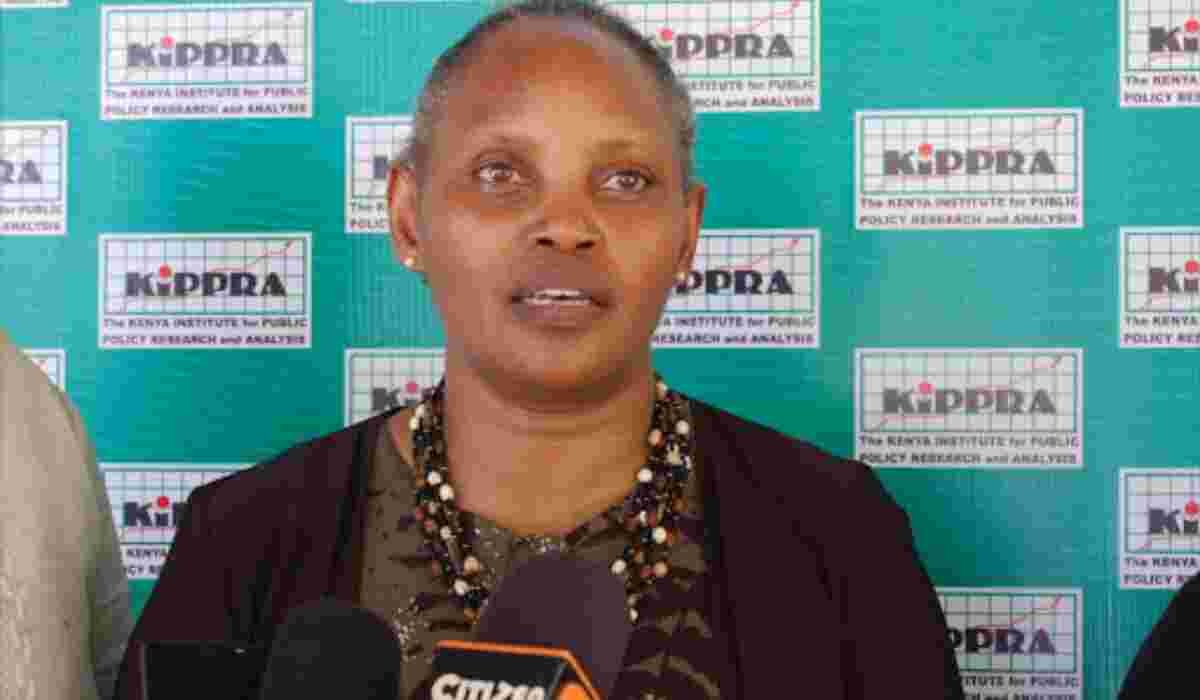
According to a recent report, the impact of high inflation has been most severe on low-income individuals in Kenya.
Rose Ngugi, the director of the Kenya Institute for Public Policy Research and Analysis (KIPPRA), says that low-income households faced significant challenges in 2022 due to the rising cost of living. The director notes that while escalating food prices affect all individuals, they are even more demanding on low-income homes that channel a significant percentage of their budget towards food consumption. KIPPRA's Kenya Economic Report 2023 reveals that efforts have been made to reduce the inflation rate from 9.6% in 2022 to a targeted band of 2.5% to 7.5%. The report also highlighted that 77% of workers earned less than the minimum wage, which only covers around half of their living expenses.
Kenya's government led by President William Ruto recognizes the importance of robust revenue collection to address the country's debt and promote economic development, as years of borrowing for infrastructure projects have made debt repayment a challenge. According to Samuel Nyandemo, an economics lecturer at the University of Nairobi, the government should provide support to its citizens by decreasing taxes on essential goods.
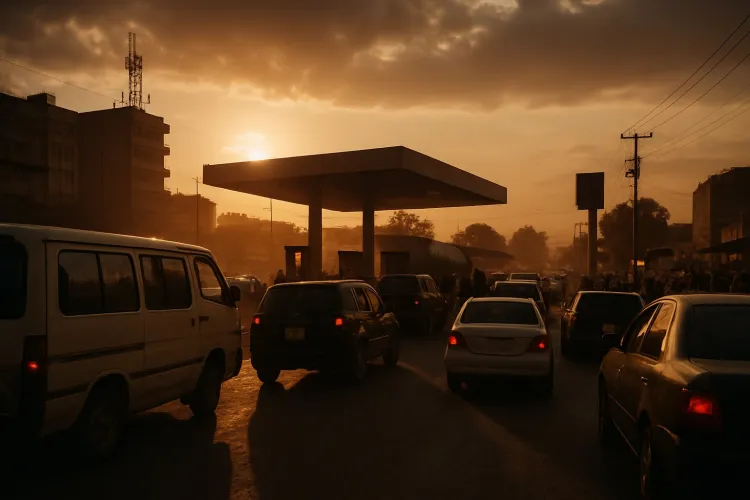
The lecturer says that the president has good intentions for the country, but should think outside the box and avoid relying on borrowing as a means of generating income. Instead, the focus should be on gradually eliminating subsidies and reducing taxes that contribute to the rising cost of living. Specifically, subsidies on items such as maize flour, oil products, cooking oil, and fuel should be phased out. The lecturer highlights the concern over high fuel prices which further burdened the already financially strained population. To restore economic stability after a decade of borrowing, the government has requested more time from its creditors, particularly China.





Comments (2)
Wenye wali "Amka mapema Tuende tuMpigie😁Kura" kime👹waRAMBA
I know people are struggling (at least some people are) but what I don't get is why many of our folks are living beyond their means....The bars full, junk food restaurants full, shopping centres full, everyone driving, people renting posh apartments.Interesting how this 'struggling' generation view things.