
MPs to Vote on Bill Separating M-Pesa from Safaricom's Core Business
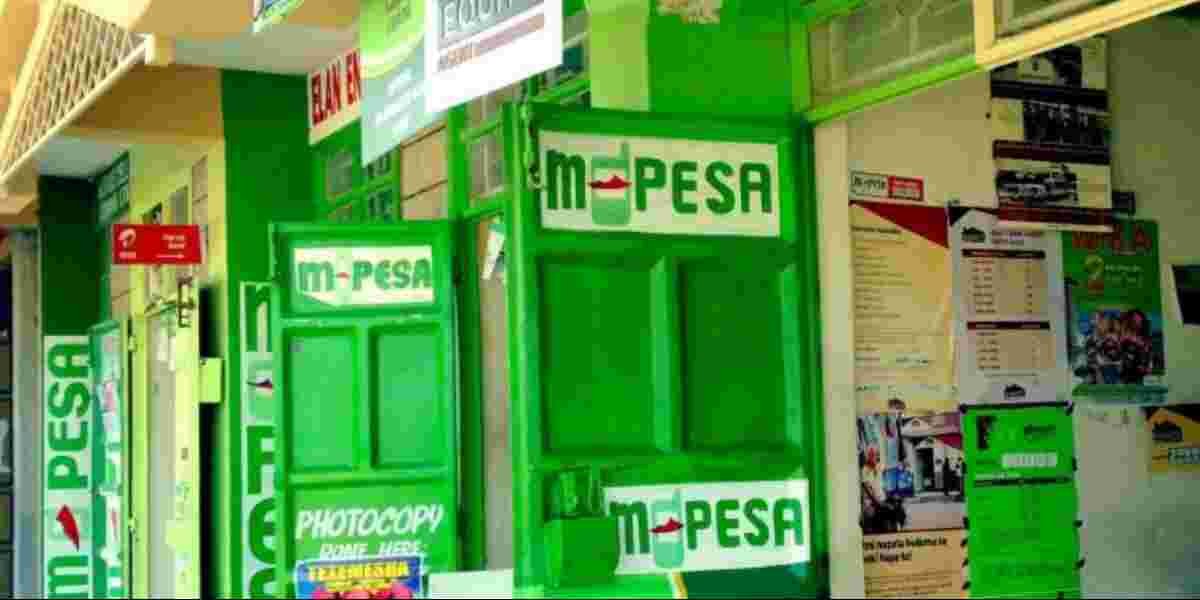
The Kenya Information and Communications (Amendment) Bill, 2022 has entered its second reading in Parliament, reigniting efforts to separate mobile money services from telecommunications operations.
This legislative proposal mandates that telcos like Safaricom, Airtel, and Telkom Kenya obtain separate licenses from the Central Bank of Kenya for their mobile money platforms. The bill aims to bring M-Pesa, Airtel Money, and T-Kash under a regulatory framework similar to that governing banks. Safaricom, the dominant player in Kenya's telecommunications and mobile money markets, has strongly opposed the bill. The company contends that such separation impedes innovation and diverges from global best practices.
As the bill progresses through the six-phase legislative process, Members of Parliament are set to debate its merits and vote on its advancement to the committee stage. The proposed separation is intended to enhance scrutiny of Kenya's lucrative mobile money sector. Safaricom has disclosed that this move could result in a substantial tax liability of 75 billion Kenyan shillings, prompting the company to advocate for an international reorganization to mitigate this potential tax burden. The Central Bank of Kenya has indicated plans to engage with the Treasury and Safaricom to address the push for a tax waiver.
This current legislative effort follows a similar attempt made three years ago, which failed to gain traction among MPs. The renewed push comes amid growing concerns about Safaricom's market dominance across various telecommunications services. The company's commanding market share in voice, mobile data, mobile money, and SMS services has raised questions about potential anti-competitive practices and the need for more robust regulatory oversight. The debate surrounding the bill has broader implications for Kenya's digital economy.
While mobile money services have been instrumental in advancing financial inclusion, critics of the bill argue that separating these services from telecommunications operations could disrupt this progress. Conversely, proponents maintain that increased regulation is necessary to ensure fair competition and consumer protection.






Comments (1)
The so-called MPs should propose for downsizing the corrupt,useless,bloated,duplicating etc evil GK instead of searching for ways to raise taxation.MPesa is “owned” by Kenyans and these gangsters should spare them from more taxation.