
Mombasa's Sh1.4B Cruise Terminal Struggles with Low Ship Arrivals
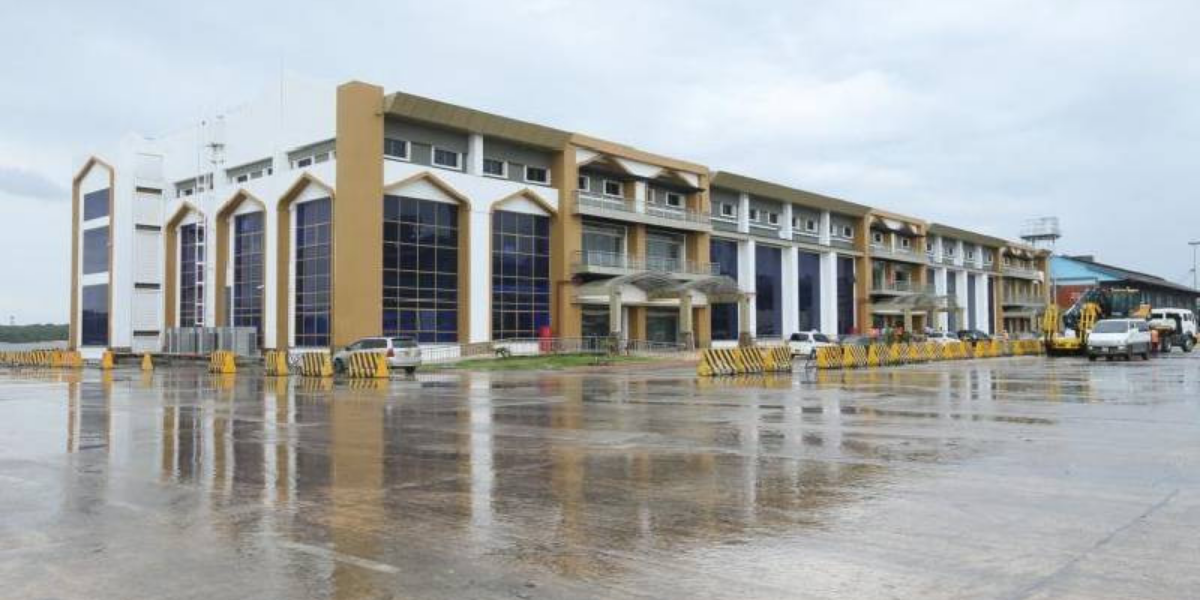
Three years after the inauguration of its modern cruise terminal, the Port of Mombasa, Kenya, has not achieved its ambitious goal of becoming a leading cruise destination in the region.
The facility, which boasts a lobby with a capacity for 2,000 passengers, shops, a restaurant, and a conference hall—constructed at Sh1.4 billion—has seen a disappointing number of cruise ship arrivals. In 2023, only five cruise ships docked at Mombasa, starkly contrasting with Durban, South Africa, which welcomed 43 vessels during the same period. The Kenya Ports Authority (KPA) data indicates that the shortfall can be attributed to several factors, including inadequate marketing strategies, concerns over security, and unfavourable port policies regarding levies.
These challenges have disadvantaged Kenya in the competitive global cruise industry, where operators frequently reposition their vessels to optimize market opportunities. As the new cruising season approaches, stakeholders in Kenyan tourism express growing concern about the country's ability to attract cruise lines that are increasingly targeting the lucrative United States market. Traditionally, Kenya’s cruising season spans from November to April, dictated by weather patterns and holiday seasons.
However, stakeholders believe that the months of March-April and September-October present significant opportunities for repositioning cruises that remain untapped. The Kenya Tourism Board (KTB) has identified cruise tourism as a critical sector for growth but has struggled to increase ship rotations at Mombasa Port. Dr. Sam Ikwaye, chair of the Mombasa Tourism Council, has called for proactive marketing efforts and collaboration with key industry players.
“We must invest, collaborate, and offer more incentives to cruise liners to call at the Port of Mombasa,” he says.
The potential economic impact of cruise tourism on local economies is substantial. The Kenya Ships Agents Association (KSAA) estimates that attracting 40 cruise ships could contribute up to US$20 million (Sh2.5 billion) to the local economy. Cruise tourists are known for their higher spending levels compared to traditional air travellers. Historically, the Port of Mombasa experienced a vibrant cruise industry, receiving 42 ships and over 15,000 passengers in 2004, which significantly benefited the local tourism sector.
However, a decline ensued due to piracy concerns in the Indian Ocean, culminating in 2012 when no cruise ships visited. In contrast, the neighbouring Seychelles has successfully leveraged cruise tourism, reporting 40 calls from 21 ships during the 2023-2024 season, bringing in 68,000 visitors. Dr. Pius Obunga, a consultant for the United Nations Economic Commission for Africa, underscores the economic advantages that the cruise sector contributes to Seychelles.
Local tour operators, such as Allan Rading, have advocated for improved incentives aimed at attracting cruise liners to Kenya, suggesting measures like waiving port fees and reducing charges for vessels. Collaborative efforts involving port administration, local handling agents, and the Mombasa County government are deemed essential to fostering a welcoming, clean, and safe environment for visitors.
Additionally, memories of the late 90s, when the MS Royal Star operated weekly luxury cruises from Mombasa to exotic destinations, serve as a reminder of the significant potential that the region still holds. The Kenya Tourism Board is currently proposing a coordinated platform designed to enhance cruise tourism development, promote local onshore experiences, and develop engaging promotional materials.
Their aspirations include achieving 100,000 cruise arrivals annually by 2040, a milestone that promises to generate substantial revenue and employment opportunities for the local workforce.






Comments
No comments yet — be the first.