
Kenyan Watchdog Exposes Major Money Laundering Risks in Real Estate, Casino
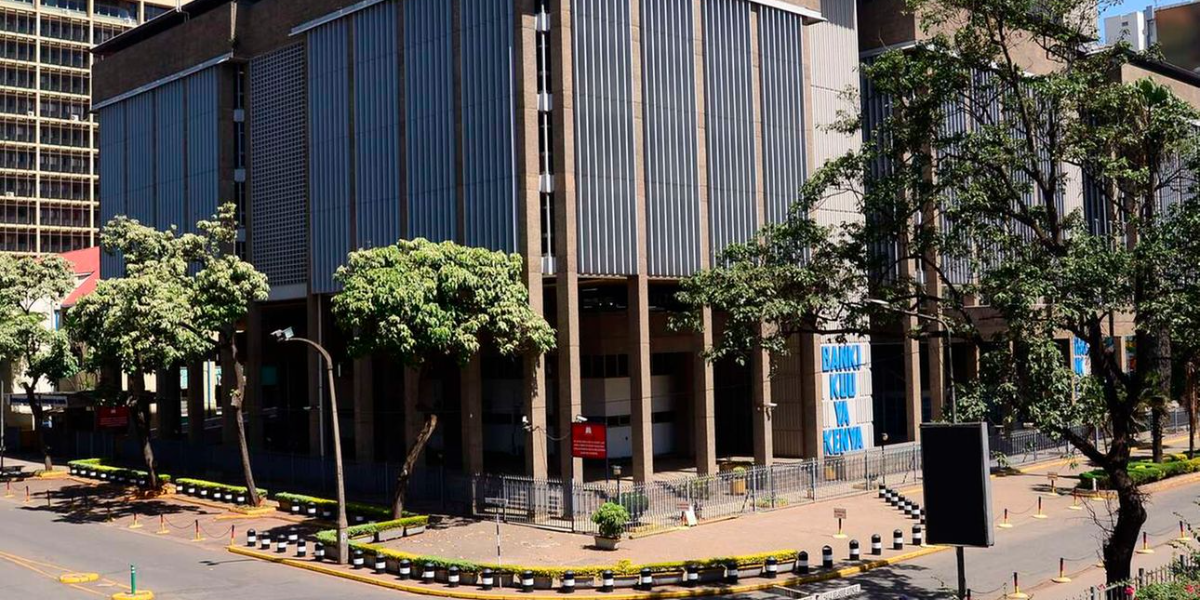
Kenya's Financial Reporting Centre (FRC) has announced significant non-compliance with anti-money laundering (AML) measures among numerous real estate agencies and casinos in the country.
This finding follows a comprehensive risk profiling exercise conducted in 2023, which assessed 80 real estate agencies and 47 casinos. As a result of these concerns, the FRC has introduced stringent guidelines aimed at reducing the risks associated with illicit financial flows. The FRC’s report indicates that 24 real estate agencies and an equal number of casinos were operating without any AML safeguards, thereby increasing the potential for money laundering and terrorism financing.
Alarmed by the situation, the FRC recently implemented a deeper risk-based examination, leading to the issuance of thorough guidelines for the financial year ending June 2024. Key deficiencies highlighted in the report include the absence of AML and combating the financing of terrorism (CFT) policies, insufficient staff training, and a lack of due diligence on customers. Additionally, many agencies and casinos did not report suspicious transactions to the FRC, in violation of legal obligations.
Under the Proceeds of Crime and Anti-Money Laundering Act, individuals or institutions found to be in breach of these regulations face fines of up to Sh5 million, imprisonment for up to three years, or both. The FRC categorizes 27 real estate agencies as medium risk and 29 as low risk, while 17 casinos were classified as medium risk and another seven as low risk. The outcomes from this profiling have led to the development of a tailored risk-based inspection plan for the real estate sector, alongside subsequent supervisory measures for the casino sector.
The FRC's targeted guidelines aim to enhance oversight, striving to combat economic crimes such as financial terrorism and racketeering. These recent initiatives are part of a broader strategy employed by the FRC and other regulatory bodies in Kenya to reinforce scrutiny of financial transactions. This effort seeks to alleviate the country's position on the Financial Action Task Force's (FATF) grey list, a designation that Kenya acquired on February 23, 2024.
The gambling sector presents particular challenges, as it is viewed as a high-risk area for money laundering. The facility for illicit funds to be integrated into sports betting and gambling transactions complicates regulatory efforts to ensure financial integrity.






Comments
No comments yet — be the first.