
How Mitumba Trade and Corruption Landed Kenya on Trump's Tax Penalty List
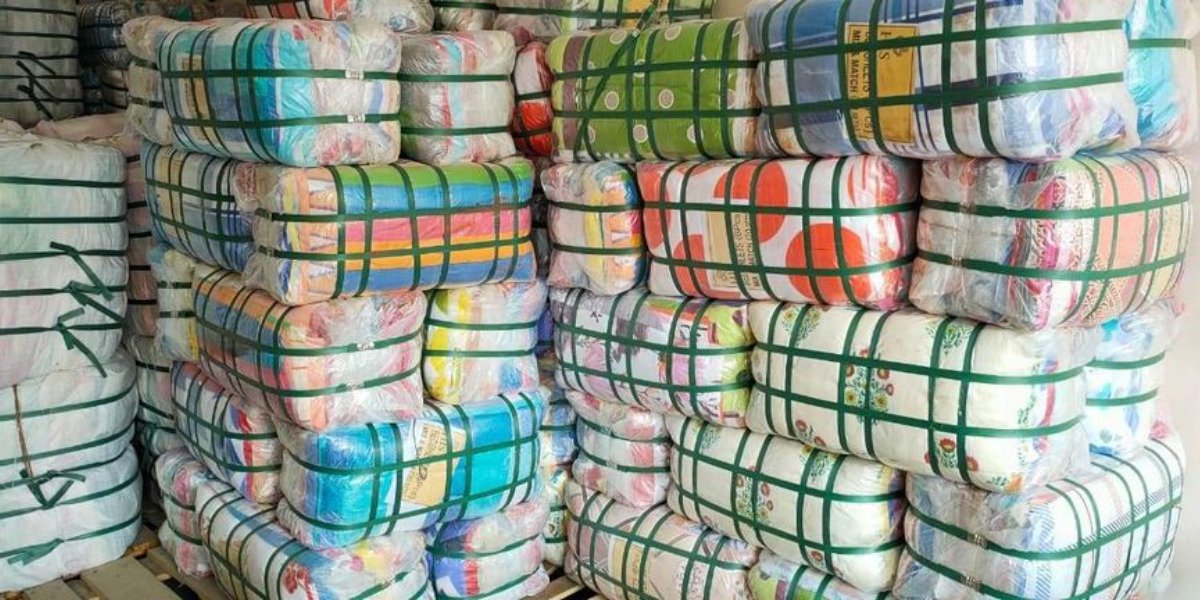
The United States has escalated its trade dispute with Kenya by implementing a 10 percent reciprocal tariff on Kenyan exports
President Donald Trump has initiated the move in response to alleged trade barriers. The decision, effective immediately, follows a report by US Trade Representative Jamieson Greer, which detailed several concerns over Kenya's trade practices. The core of the dispute centres on Kenya's existing tariffs, notably a 35 percent levy on imported second-hand clothing (known locally as "mitumba") and clean energy stoves, alongside subsidies for key agricultural products.
These measures, according to the US Trade Representative's report, unfairly disadvantage American exports seeking access to the Kenyan market. Greer emphasizes that Kenya’s adherence to the East African Community (EAC) tariff structure further exacerbates market access challenges for US producers. The report also highlights non-tariff barriers, including stringent agricultural duties, food safety regulations, systemic inefficiencies within Kenya’s customs processes, and pervasive corruption in public procurement.
US firms have reported challenges competing against entities willing to circumvent legal standards, citing instances of bribery and unfair practices in state tenders, despite existing anti-corruption laws. Kenya’s reliance on the African Growth and Opportunity Act (AGOA), which grants preferential treatment to Kenyan goods entering the US, adds complexity to the trade tensions.
With AGOA set to expire in September, the newly imposed tariffs pose a significant threat to Kenya’s export competitiveness, particularly for key commodities such as black tea, coffee, apparel, and macadamia nuts, which constitute a substantial portion of Kenya’s US-bound exports. Lee Kinyanjui, Kenya’s Cabinet Secretary for Investments, Trade, and Industry, acknowledges the potential economic ramifications, stating that Kenyan businesses will face increased costs for exports to the US.
While noting that the 10 percent tariff is lower than those imposed on countries like Vietnam and China, he conceded that it remains a notable obstacle for local exporters. Analysts have cautioned that the trade dispute could lead to broader impacts on Kenya’s trade dynamics, including decreased competitiveness in agricultural exports and increased costs for essential imported medical equipment.
The current balance of trade heavily favours the US, with Kenyan imports of American goods, such as mineral fuels and pharmaceuticals, significantly surpassing exports.






Comments
No comments yet — be the first.