
Kenya Secures EAC Tax Relief for Wheat and Rice Imports
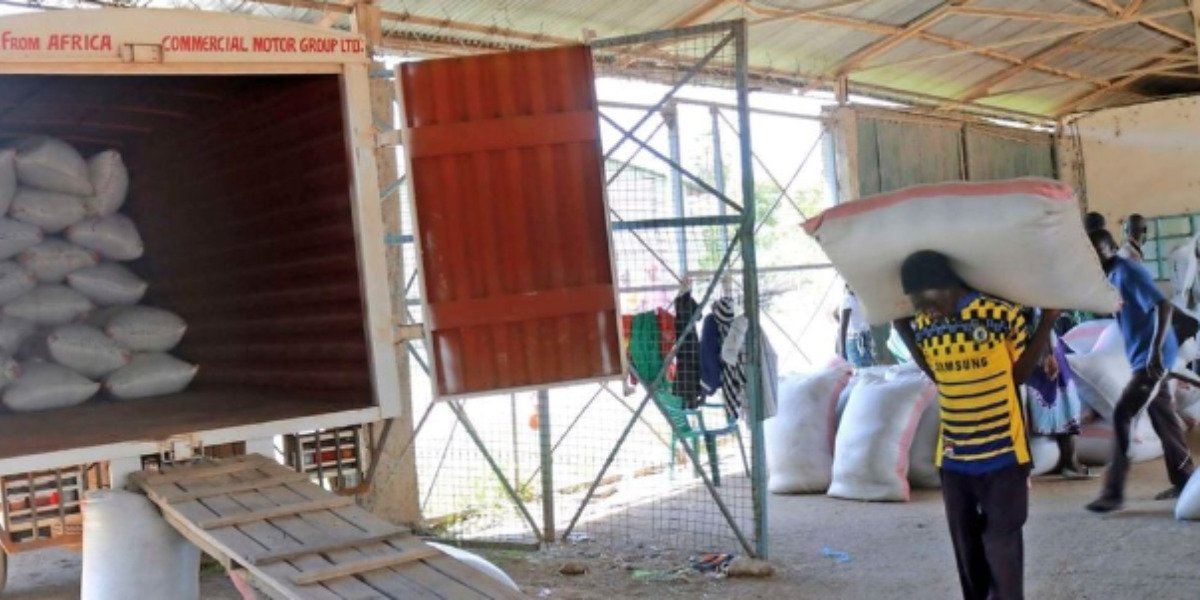
Kenya has been granted an extension by the East African Community (EAC) Council of Ministers to continue importing wheat and rice at preferential duty rates, a move announced by Treasury Cabinet Secretary John Mbadi during the 2025 Budget Speech.
This decision allows millers to import wheat at a 10 percent tariff, significantly lower than the standard EAC Common External Tariff (CET) rate of 35 percent, aiming to balance the needs of importers with the protection of local agricultural producers.
The revised tariffs mandate that importers must first purchase locally produced wheat before sourcing from external markets.
This highlights the government's commitment to supporting domestic farmers while ensuring adequate wheat supplies for the nation. Wheat remains a crucial component of Kenya's food supply chain, vital for producing staple foods. Despite efforts to enhance domestic production, Kenya still relies on imports to meet more than three-quarters of its annual wheat consumption. According to the Economic Survey 2025, wheat output reached 312,200 tonnes last year, a slight increase from 309,500 tonnes in the preceding period.
However, it remains below the 368,700 tonnes recorded in 2022. Locally produced wheat accounts for only 11.89 percent of the total wheat stock, emphasising the country's continued reliance on imports. The Treasury has also requested an extension for reduced rice import tariffs to stabilise the supply of this essential grain.
The proposal permits traders to import rice at a rate of 35 percent or $200 per metric tonne, whichever is higher, compared to the CET rate of 75 percent or $345 per metric tonne. This policy is considered essential for ensuring food stability amidst fluctuating production trends and increasing domestic consumption.
The reduced tariffs offer relief to importers and serve as a strategic tool to regulate market dynamics. These measures aim to provide affordable supplies without marginalising local growers.






Comments
No comments yet — be the first.