
Kenyan Businesses on Edge as Israel-Iran Conflict Threatens Trade Routes
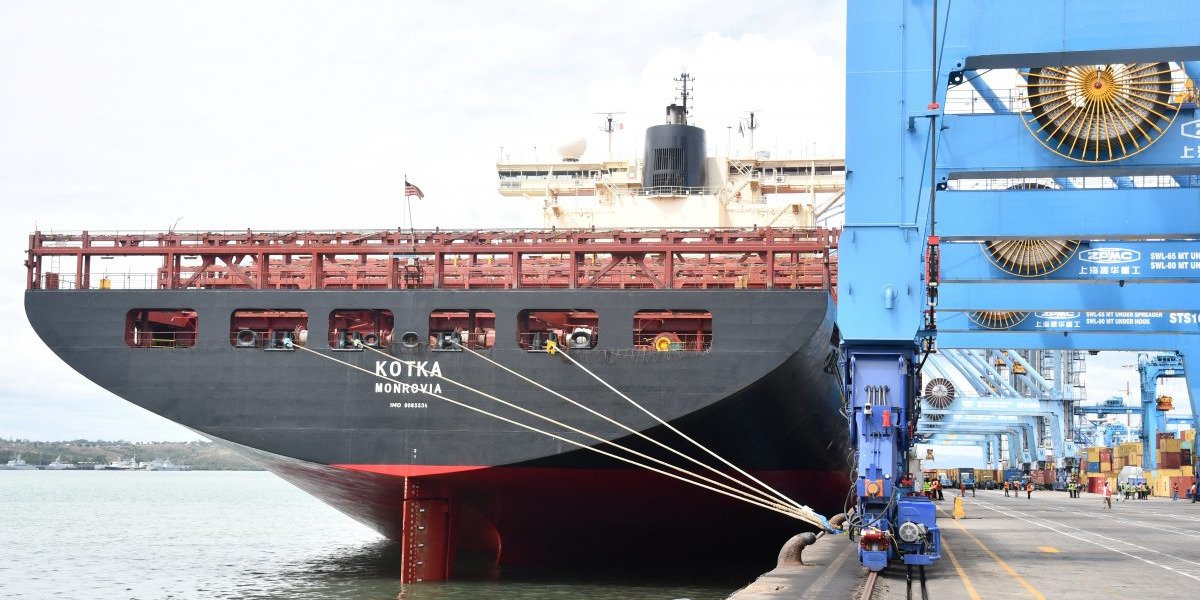
Kenyan businesses, particularly those reliant on the nation's critical ports, are on high alert as escalating tensions between Israel and Iran threaten to disrupt global trade routes and supply chains.
The conflict, ignited by an Israeli airstrike on Iran, has already prompted flight diversions, and experts warn that further escalation could severely impact maritime commerce, with significant repercussions for Kenya and the broader East African region. The most immediate concern revolves around Iran's potential closure of the Strait of Hormuz, a vital artery for global oil transportation. This narrow waterway, bordered by Iran, Oman, and the United Arab Emirates, is responsible for channeling approximately 20 percent of the world's total trade.
Any disruption to traffic through the Strait would trigger a global energy crisis, sending fuel prices soaring and impacting countries far beyond the Middle East, including Kenya. Adding to the instability, renewed attacks by the Iran-backed Houthi movement in Yemen present a second significant threat. The Houthis have previously disrupted shipping in the Red Sea, nearly paralyzing trade flows. Should they resume these actions in solidarity with Iran, Kenyan importers and exporters would bear the brunt of the consequences. The shipping industry is already preparing for increased insurance premiums due to heightened security risks in the region.
Kenyan importers anticipate that increased shipping costs will inevitably drive up the prices of goods, placing additional pressure on consumers. Exporters, on the other hand, face potential delays as ships reroute to avoid danger zones. Extended transit times could compromise Kenya's trade competitiveness and threaten the viability of perishable goods that rely on predictable shipping schedules.
Maritime analyst Andrew Mwangura underscores the growing reluctance of international shipping firms to navigate the Strait of Hormuz. He notes that companies are actively exploring alternative routes, albeit at considerably higher costs. Mwangura emphasizes the critical role of Jebel Ali and Khor Fakkan ports in the UAE, which serve as transshipment hubs connecting the Persian Gulf, South Asia, and East Africa.
Obstructed trade through these ports would inflict further setbacks on regional businesses, ranging from supply chain disruptions to increased costs for essential raw materials. Agayo Ogambi, CEO of the Shippers Council of Eastern Africa, highlights the broader economic implications of prolonged instability in the Middle East. He warns that continued compromise of access to the Red Sea could trigger a surge in oil prices, leading to inflationary pressures across sectors. The cost of food, transportation, and agricultural inputs such as fertilizer could see drastic increases, further burdening Kenyan households.
Kenya's ports of Mombasa and Lamu, critical gateways for landlocked nations in East Africa, face the prospect of declining trade volumes as shipping companies adjust routes to avoid high-risk areas. Some firms are already opting to circumnavigate Africa's southern tip, a strategy that significantly lengthens transit times and escalates freight costs. Beyond the logistical challenges, Kenya's economic ties with Iran could also come under strain. Tea exports to Iran have grown substantially in recent years, but the United States continues to enforce sanctions on Iranian oil sales.
A prior attempt by Kenya to negotiate an oil deal with Iran was abandoned following warnings from Washington, which threatened economic penalties on nations purchasing Iranian crude. While Iran is permitted to export oil under specific exemptions, such as for food and medical supplies, Kenya's trade relationship with the Middle Eastern nation may face further uncertainty depending on how the conflict unfolds.
For businesses operating in Kenya and across East Africa, the stakes are exceptionally high. The ongoing instability poses immediate logistical challenges while threatening long-term economic stability.






Comments
No comments yet — be the first.