
Israel-Iran Conflict Threatens Kenyan Tea Exports
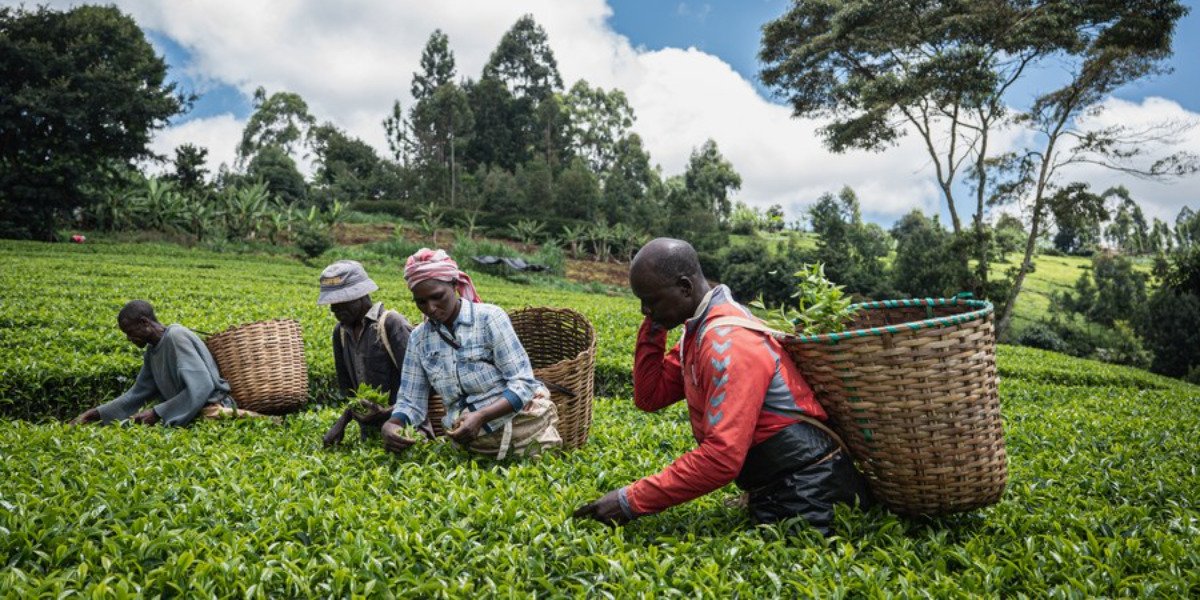
Renewed hostilities between Israel and Iran pose a significant threat to Kenya's tea industry, disrupting vital trade and straining an already vulnerable market.
The timing of the conflict is especially precarious, as it coincides with ongoing efforts to bolster bilateral trade between Kenya and Iran, a critical market for Kenyan black tea. Just days before the escalation, Agriculture Cabinet Secretary Mutahi Kagwe met with Iranian Ambassador Dr Ali Gholampour in Nairobi to discuss expanding trade in tea and oil products.
The discussions focused on resolving persistent payment delays and identifying new market channels to benefit Kenyan tea farmers, who are grappling with declining global demand and suppressed auction prices. The instability raises concerns among Kenyan tea farmers, like economist David Lang'at in Nandi County, who warns of potential long-term repercussions.
"Escalations in the region could drive up transaction risks and discourage further engagement with Iran," he said, emphasising the existing pressure on factory prices due to global oversupply, compounded by rising production costs.
Despite US sanctions on Iran, Kenya, a Washington ally, maintains a humanitarian trade window allowing the export of food and medicinal products, including tea. In 2023, Kenyan exports to Iran were valued at an estimated $46 million, while imports from Tehran totalled approximately $28 million. However, Iran's exclusion from global payment systems complicates trade settlements, leading to frequent delays in compensating Kenyan exporters.
This market uncertainty has contributed to a substantial overhang of unsold tea. Currently, over 119 million kilograms remain untraded at the Mombasa auction, highlighting how oversupply exacerbates the difficulties faced by farmers. Trader Eric Kosgei expresses concern that the geopolitical tension could further depress international tea prices, deepening losses for small-scale producers.
Kenya's policymakers are now confronted with the delicate task of balancing diplomatic interests with economic imperatives. Tea farmers across regions such as Nandi and Kericho face an uncertain future, questioning whether their livelihoods can withstand yet another external challenge. The unfolding situation may necessitate a re-evaluation of the country's agricultural strategy in an increasingly volatile global landscape.






Comments
No comments yet — be the first.