
Why Nairobi Motorists Are Paying More for Fuel
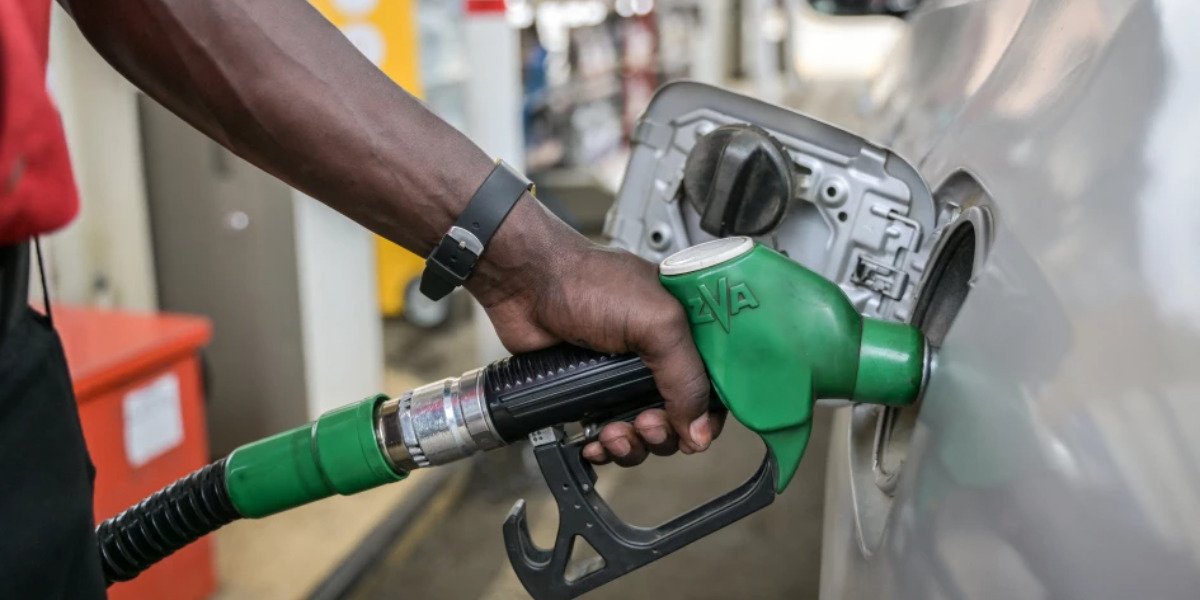
Kenyan motorists are experiencing a sharp rise in fuel prices after the government opted to withhold the fuel stabilisation subsidy for the second consecutive month.
This decision, effective until 15 August, has ignited public concern over the escalating cost of living. The latest fuel price review reveals significant increases, with petrol in Nairobi now retailing at Ksh186.31 per litre, an Ksh8.99 rise representing the highest month-on-month increase in over two years.
Diesel prices have climbed to Ksh171.58 per litre, an Ksh8.67 increase, while kerosene has risen by Ksh9.65 to Ksh156.58 per litre. Treasury Cabinet Secretary John Mbadi defended the decision to suspend the subsidy, saying that the Energy and Petroleum Regulatory Authority (Epra) determined the price increases could be absorbed without direct government intervention.
"The government chooses when to intervene. Epra felt that we did not need to do it this time," he explained, but omitted whether the PDL fund, financed by a fixed levy on fuel purchases, was depleted.
The lack of transparency regarding the fund's status has fuelled speculation about potential mismanagement. From July 2023 to March 2024, the state collected an estimated Ksh43.9 billion through PDL charges – Ksh5.40 per litre for petrol and diesel, and Ksh0.40 for kerosene. Critically, Ksh58 billion was diverted from the Railway Development Levy in the 2023/24 financial year to bolster fuel subsidies, raising concerns about PDL sufficiency and broader fiscal management.
Analysts are warning that diverting fuel levy funds to non-petroleum uses could render the PDL ineffective. Records indicate that in 2020/21, approximately Ksh18.1 billion intended for fuel stabilisation was redirected to compensate the Chinese operator of the Standard Gauge Railway, in a move widely viewed as a violation of the PDL's statutory provisions.
The International Monetary Fund (IMF) has intervened, demanding a full audit of Kenya's fuel subsidy programme. The IMF has flagged the scheme as a substantial fiscal risk and advocated for greater accountability, stipulating that subsidies should only be applied when PDL funds are available. Kenya has committed to this condition, setting a January deadline for delivering the comprehensive audit findings.
The government's efforts to support oil marketers, who face delayed subsidy payments, have encountered obstacles. In 2023, authorities issued a Ksh45 billion bond to alleviate debts owed to these companies, highlighting liquidity pressures within the subsidisation infrastructure.
Recent policy changes, including a rise in the Roads Maintenance Levy from Ksh18 to Ksh25 per litre, have increased pressure on consumers, leading to renewed calls for a more consistent and transparent fuel pricing strategy. As pump prices continue to rise and the subsidy mechanisms come under increased examination, stakeholders suggest the country is approaching a critical point in managing energy affordability and fiscal responsibility.






Comments
No comments yet — be the first.