
Why Gold Prices Are Hitting Record Highs
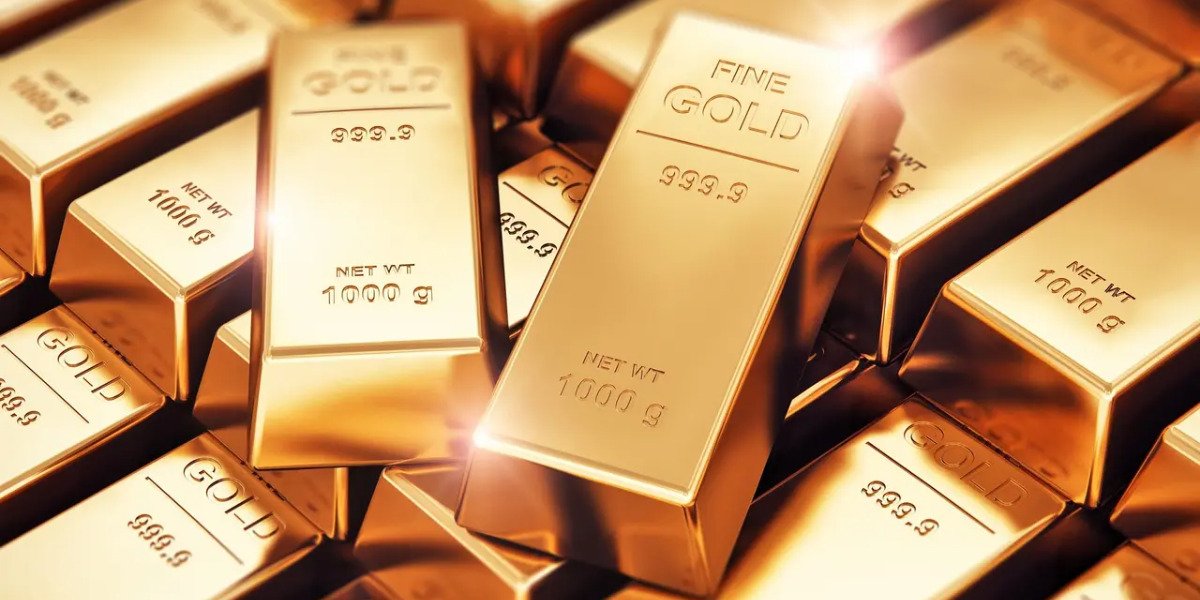
Gold prices have climbed to a record high of US$4,100 (around Sh529,720) per ounce, marking the sharpest increase in the metal’s value in modern trading history.
The surge, which has pushed prices up by more than 50 per cent in 2025, reflects major shifts in global investment patterns and economic strategy. Since the rally began in early 2024, gold has nearly doubled in value, challenging long-held market expectations and prompting a reassessment of its role in the international financial system.
While inflation pressures, rising government debt and political instability have traditionally driven demand for gold, analysts say these factors only partly explain the current trend. A significant driver has been the rapid expansion of gold exchange-traded funds (ETFs), which have made it easier for both institutional and retail investors to buy and sell gold in the same way they trade shares or bonds.
This wider access has accelerated speculative and strategic investment. According to the World Gold Council, inflows into gold ETFs reached a record US$64 billion in the first nine months of 2025. Analysts say this has been amplified by a “fear of missing out” effect, as rising prices attract new investors seeking to benefit from the rally.
Central banks in emerging markets also play a decisive role. Countries including China and Russia have increased their gold reserves significantly, reducing their reliance on US dollars and other Western currencies. This “de-dollarisation” strategy reflects concerns over the political influence tied to major reserve currencies, particularly following financial sanctions and restrictions on global payment systems.
Figures from the International Monetary Fund show that emerging market central banks now hold around 10,300 tonnes of gold, a 161 per cent increase since 2006. This shift is both a financial and geopolitical move, signalling efforts to secure greater monetary independence. Russia’s gold purchases following its annexation of Crimea and China’s steady sale of US Treasury bonds are key examples of this approach.
Rising central bank demand is also reducing the impact of price volatility, providing a level of stability that supports bullish market forecasts. Goldman Sachs has revised its outlook, predicting prices could reach US$4,900 per ounce by the end of 2026.
Australia is positioned to benefit strongly from this trend. As the world’s third-largest gold producer, with nearly 20 per cent of global reserves, the country could see gold exports overtake liquefied natural gas to become its second most valuable export after iron ore.






Comments
No comments yet — be the first.