
EXPLAINED: Why Lions Ignore Tourists in Safari Vehicles
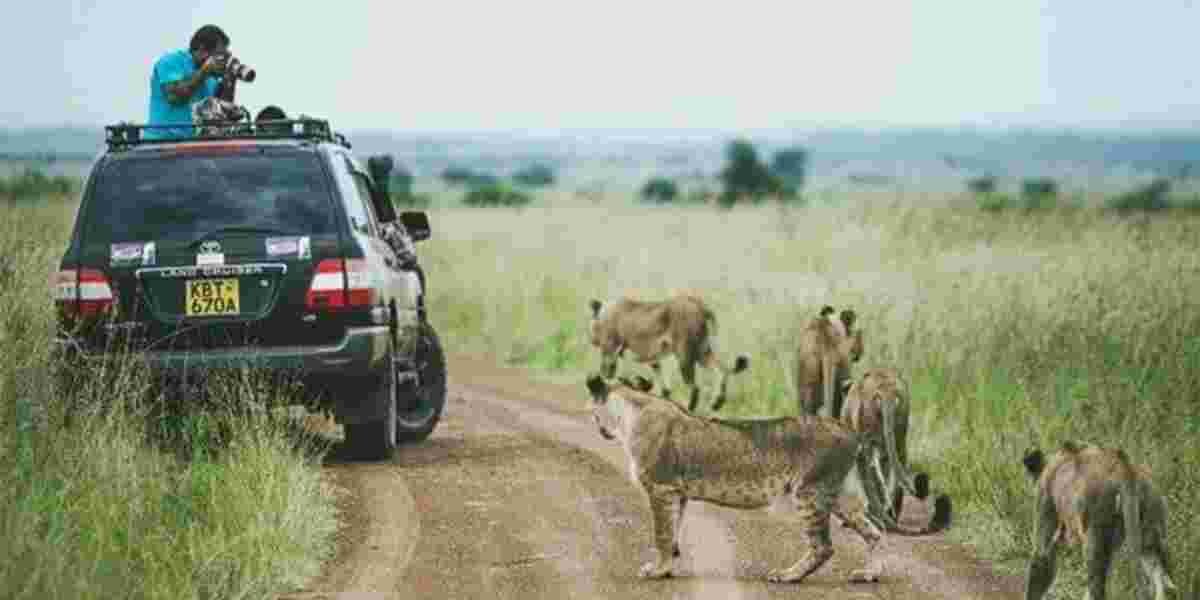
You've likely seen pictures and videos of lions and cheetahs on top of tourist vehicles in the wild without any apparent danger.
This behavior challenges the conventional perception that these apex predators would instinctively attack human targets. Conservation experts and animal behaviorists offer fascinating insights into this phenomenon. According to Craig Saffoe, a curator of great cats at the Smithsonian, the explanation lies in complex predator-prey dynamics. Large motorized vehicles are perceived by lions as formidable entities that fall outside their typical predatory targeting mechanisms.
The sheer magnitude of these vehicles transcends the size of prey or threats that lions would ordinarily consider engaging. Lions exhibit remarkable selectivity in their predatory approach, carefully evaluating potential targets based on their capacity to overpower and consume them. An isolated human in an open landscape represents a more straightforward prey option compared to individuals ensconced within a big vehicle.
The vehicular structure transforms human occupants from vulnerable individuals into part of a larger, intimidating collective that disrupts the lion's natural hunting instincts. Territorial behavior further influences these interactions. A solitary human walking through lion habitat may be interpreted as a potential threat thus triggering defensive responses.
Conversely, individuals remaining stationary within vehicles communicate a sense of collective security that prevents potential aggressive encounters. Wild rangers consistently emphasize the importance of maintaining composure and avoiding provocative movements that might activate the predators' defensive mechanisms.






Comments
No comments yet — be the first.