
Kenyan Gospel Song Featured in Japanese Anime Gachiakuta
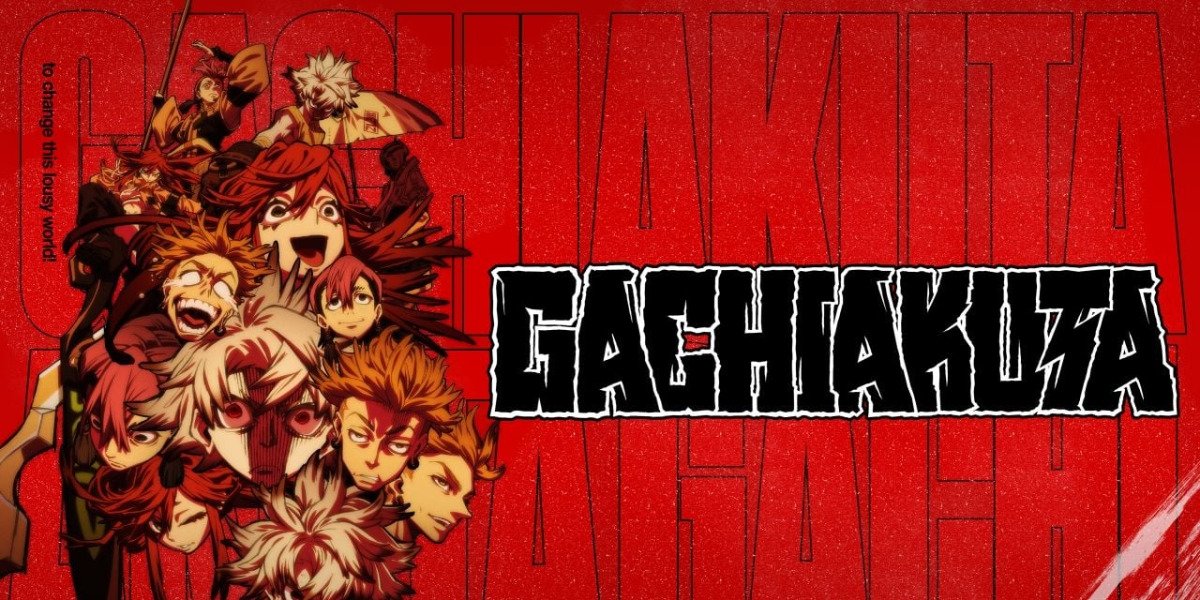
A Kenyan gospel song has been featured in episode nine of the 2025 Japanese anime Gachiakuta.
This marks a rare intersection between East African Christian music and Japanese popular culture. Composed and performed by Pastor John Komanya in the early 2000s, “Ainuliwe Bwana wa Mabwana” (“May He be lifted, the Lord of lords”) is a familiar song to many Kenyan churchgoers, especially children who grew up singing it in Sunday school.
Known for its joyful rhythm and communal spirit, the song expresses praise and gratitude through lively clapping and dance. Its inclusion in Gachiakuta offers a moment of recognition for Kenyan audiences and highlights the shared emotional power of music across cultures.
Gachiakuta, directed by Fumihiko Suganuma and adapted from Kei Urana’s manga, is set in a dystopian world where social outcasts struggle to survive among discarded objects. The story follows Rudo, a boy unjustly banished to a subterranean wasteland, who joins a group called the Cleaners to fight monsters born from human waste and corruption.
In episode nine, titled “The City of Graffiti,” the character Remlin uses his art to transform the ruins of the city into scenes of light and colour. During this sequence, a faint chorus of “Ainuliwe Bwana wa Mabwana” can be heard, reflecting the theme of renewal and hope.
The decision to feature a Kenyan gospel song in a Japanese production reflects a growing openness in anime to global influences. Placed within a scene of artistic transformation, the song echoes its original role in Kenyan worship, where it represents joy, faith and collective uplift.


Comments
No comments yet — be the first.