
President Ruto Signs Law Clearing Sale of 11 State-Owned Firms
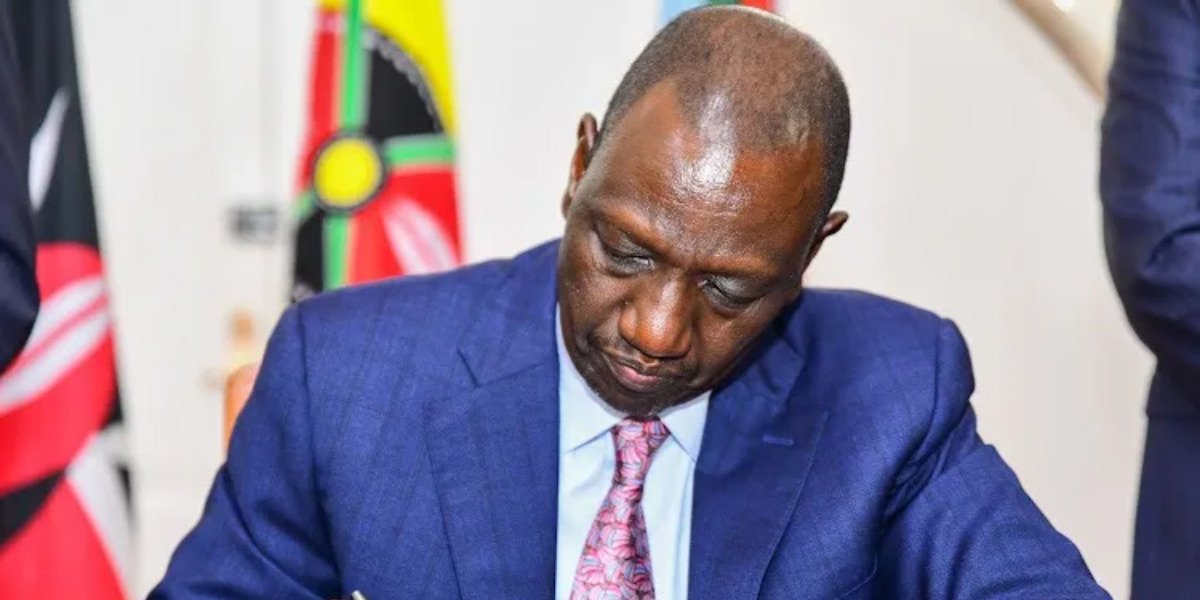
Kenya has enacted the Privatisation Act, 2025, paving the way for the sale of government stakes in key State-owned enterprises, with the Kenya Pipeline Company (KPC) set to lead the programme.
The new law, signed by President William Ruto on 15 October, replaces the Privatisation Act of 2005 and establishes a more structured framework for divestiture. It creates the Privatisation Authority to oversee the process, including identifying entities for sale, conducting public consultations, and submitting the programme to Parliament for approval.
This gives the National Assembly a stronger role in authorising the sale of State assets, enhancing legislative oversight. Eleven corporations have been earmarked for privatisation. They include the National Oil Corporation of Kenya, Kenyatta International Convention Centre, Kenya Literature Bureau and Rivatex East Africa Limited.
Some of these firms are unprofitable, while others, such as KPC, are financially sound but are being targeted to raise capital and reduce pressure on the national budget. According to the Treasury, the programme aims to support fiscal consolidation, improve operational efficiency and attract more private sector investment.
A policy brief from the ministry highlights the need to increase revenue, ease the burden on public finances, and separate commercial and regulatory roles within certain entities. KPC’s partial privatisation will be the flagship transaction.
The government intends to retain at least 35 percent of the company and offer up to 65 percent of its shares through an initial public offering (IPO) on the Nairobi Securities Exchange (NSE). The Treasury expects to raise about Sh100 billion from the sale, with funds directed to infrastructure and social programmes in the 2025/26 budget.
The IPO is scheduled to close by 31 March 2026, marking the first major State listing since the Safaricom IPO in 2008. The last government-related listing at the NSE was the Stanlib Fahari REIT in 2015. KPC’s inclusion in the programme dates back to Cabinet approval in 2008, but previous efforts to proceed stalled.
The current administration has revived the plan as part of its broader economic and capital markets strategy. Under the new law, all proceeds from privatisation must be paid into the Consolidated Fund within 90 days of each transaction. The programme will remain valid for eight years from the date of gazettement, setting a clear timeline for implementation.






Comments
No comments yet — be the first.