
Nairobians Opting for Kibanda Food as Economic Crunch Persists
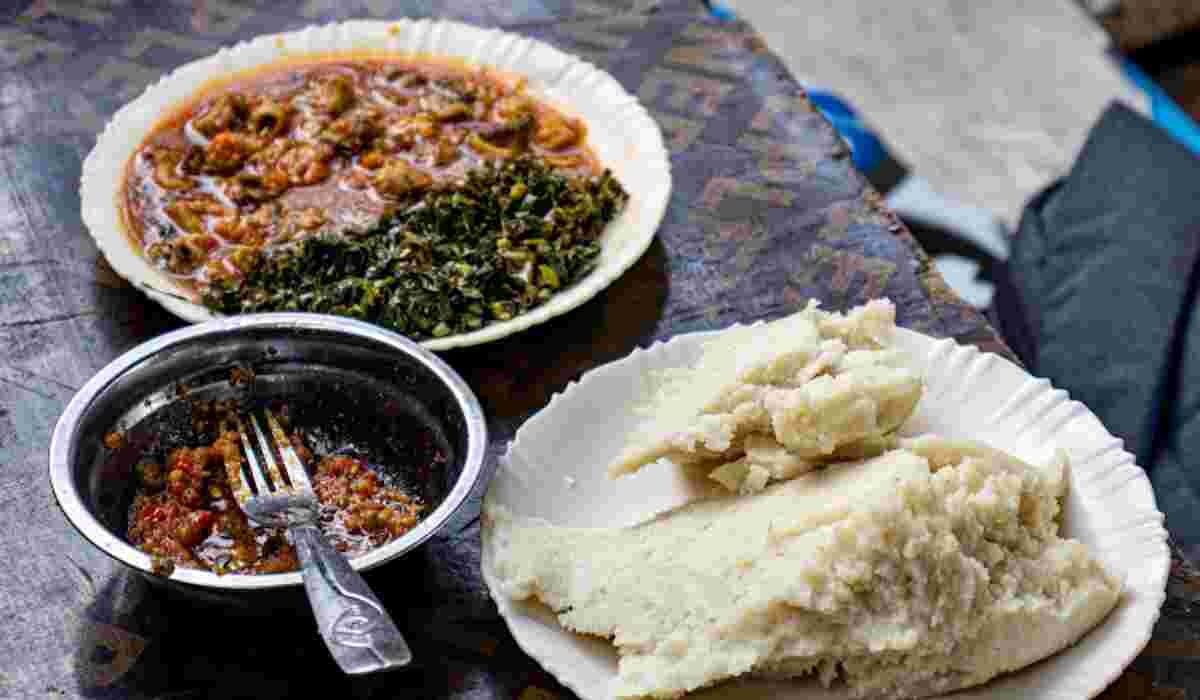
Lunchtime proves to be a challenge for numerous urban dwellers particularly those employed in the city center.
Individuals who cannot afford meals at mid-range city eateries or luxury hotels might instead opt for leisurely activities like window shopping or visiting Jee-van-Jee Gardens. When Uhuru Park was still open, many people utilized their lunch break to listen to sermons and feed their souls, but this trend has shifted thanks to kibandas-- affordable eateries that operate solely during lunchtime. These temporary stands first sprouted around construction locations catering for labourers during their work breaks. However, they've now migrated to the city centre and can be found in places such as City Market along Muindi Mbingu Street.
In no time, savvy entrepreneurs have discovered a wealth of opportunity by catering to the lunchtime crowd in the vicinity. You'll find clerks, scholars, high-flying lawyers, and bankers all gathering within reach of these establishments during midday. Formerly, the lush grounds played host to vendors of second-hand attire, but now one delectable menu after the other has taken its place. The eateries feature gas-powered food warming systems and a diverse menu of mouth-watering dishes from sweet potato to crisply fried eggs. You will not want to miss the tantalizing delights of carefully prepared Pilau, a soothing cup of tea, or a fluffy, golden pancake. Ranging in prices from Sh 20 shillings to Sh 100, these dishes are sure to satisfy any hungry customer and keep them coming back for more. Right at the city market, artful culinarians have set up 20 food stands, jam-packed with customers who expect satisfying meals
In Nairobi, budget-friendly spots for a quick meal can be found everywhere. Customers can sit back and relax on either plastic chairs or repurposed jerrycans while enjoying their food in the fresh air or in shelters made of canvas or polyethene. The convenient locations guarantee ease of access to everyone, including Loice Kibe, a beautician based in the Moi Avenue area, who prefers the comfort of modern vibandas on Kenyatta Avenue. In addition, these eating places scatter other central business locations in areas such as Ronald Ngala, Uhuru Highway open-air picnic grounds, bus stations and Railways, making budget-friendly meals accessible to all.
In addition to being a workforce hub, Vibandas have become a profitable business for their proprietors. Consider a hypothetical scenario: One kibanda can accommodate 100 clients from 11 a.m. - 3 p.m. daily, and the average meal costs Sh100. By simply hosting this clientele, an owner would reap a Sh10,000 profit per day, accumulating to around Sh200,000 monthly after factoring in wages and running costs. Economist Marshel Nyangor believes that the kibanda economy provides a glimmer of hope for the middle class during tough times as wallet-friendly food options entice patronage. He notes that some diners are migrating to vibandas from established fast-food chains in a bid to ease financial pressures.






Comments (2)
These are called street food vendors and can be found all over the world. They have become very popular in the US where they are mostly taco stands.
Lunch time has always been a challenge for alot of city dwellers;to the point that lead Gabriel Omolo to sing his gold platinum winning song -LUNCH TIME.
Unfortunately hard times makes weak people vulnerable to scams.I would not be surprised if it's found that some of the meets consumed are from animals that have not been approved for human consumption in Kenya.
It has been said that strong men create good times,and good times create weak men,and as a result weak men create bad times.Like now.And people who use short cuts, and corruption are weak men. They want the easy way out.No wonder we are witnessing a rise in crimes committed by women.Their men are not' manly' enough to provide for a family.