
Pairing Milk with Sukuma and Ugali? Here's What You Should Know
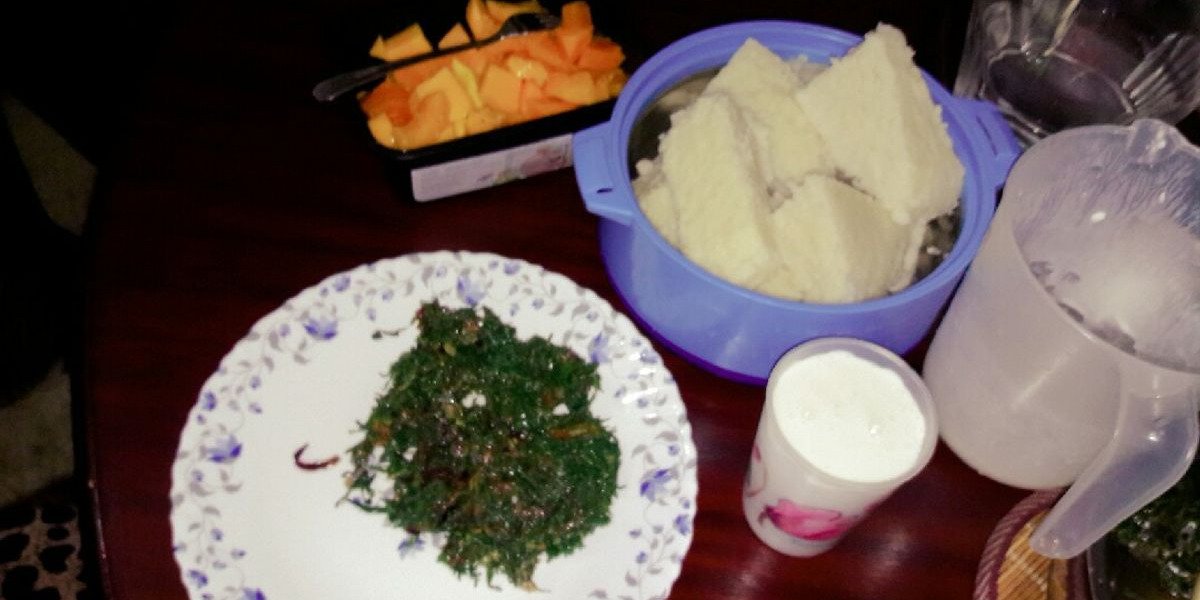
Nutritionists warn that drinking milk alongside iron-rich leafy greens can reduce the body’s ability to absorb iron.
In many Kenyan households, leafy greens such as sukuma wiki (kale), terere (amaranth), mrenda (jute mallow), or spinach are commonly served with milk or milky tea and ugali. While this combination is traditional and comforting, recent nutritional findings indicate that consuming dairy products close to iron-rich plant foods may hinder iron absorption.
According to nutritionist Kepha Nyanumba, calcium in milk competes with iron during digestion in the stomach and intestines, decreasing the amount of iron the body absorbs. This effect is most notable when dairy is consumed immediately before or after meals containing non-heme iron, the form found in vegetables, legumes, and grains, which is already less readily absorbed than iron from animal sources.
The interference with iron absorption is not limited to milk. Other beverages and dairy products, including tea, coffee, energy drinks, yoghurt, and cheese, can also inhibit iron uptake. Caffeine, in particular, may reduce the absorption of non-heme iron by 40 to 60 percent when taken close to meals. This poses a nutritional challenge in communities where plant-based diets predominate and animal-sourced iron is less available.
Health experts recommend waiting about two hours between eating iron-rich meals and consuming dairy or calcium supplements. This gap allows the body to absorb iron more effectively before calcium interferes with digestion. Although individual digestion varies, this guideline offers a practical method to reduce nutrient absorption conflicts.
Nutritionists suggest pairing iron-rich meals with foods high in vitamin C, such as citrus fruits, tomatoes, bell peppers, and broccoli, to enhance iron absorption. Including these foods can improve both nutrition and meal flavour. Plant-based milks, which generally have lower natural calcium levels, are an alternative to dairy milk. However, consumers should check for calcium fortification, as fortified products may still impact iron uptake.
Poor iron absorption over time can lead to iron deficiency anaemia, causing fatigue, weakened immunity, and cognitive difficulties. Severe cases may complicate pregnancy and affect growth and development in children.
Groups at higher risk of iron deficiency include young children, adolescents, pregnant women and people with chronic illnesses or restricted diets.






Comments
No comments yet — be the first.