
Kenyan Property Investors Urged to Prioritize Flood Risk in Due Diligence
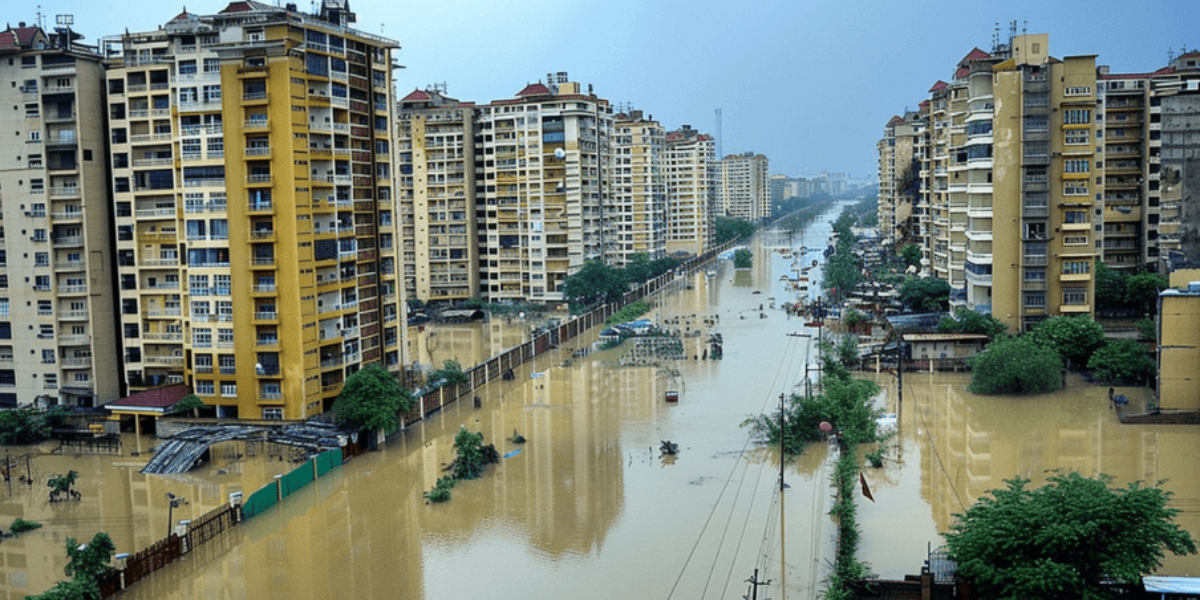
Flood risk in real estate refers to the potential for flooding to affect a property's physical condition, usability, insurability, and overall market value.
Diligent investors typically conduct a range of assessments to gauge a property’s worth; this includes registry checks, title verifications, structural integrity assessments, environmental audits, and soil analyses aimed at ensuring construction sustainability. However, flood risk assessment remains a neglected area despite its increasing significance. Failure to consider flood risk can lead to dire consequences for property buyers, including structural damage, significant property devaluation, exorbitant repair costs, and health hazards from mould and contaminated water.
Such risks also complicate environmental, social, and governance (ESG) factors that shape investment decisions, adding further complexity to the investor landscape. The need for robust due diligence, encompassing flood risk evaluations, is paramount for identifying potential hazards and instituting resilience measures. A thorough approach also enhances ESG strategies by enabling the implementation of critical infrastructure to mitigate flood risk.
Nevertheless, the absence of comprehensive flood risk mapping in Kenya, alongside limited databases, hampers property buyers' ability to evaluate flood risk effectively. Unlike their counterparts in developed countries, Kenyan investors frequently depend on anecdotal evidence or limited knowledge regarding flood risks. As a result, many local real estate practitioners have not yet collaborated with flood risk specialists.
A solid understanding of diverse flooding forms—such as riverine, coastal, groundwater, sewer-related, reservoir, flash floods, and surface water—is essential for navigating the increasingly perilous real estate waters in Kenya. The evolving risk landscape necessitates a forward-thinking approach that robustly addresses both traditional and emerging risks, particularly those posed by climate change.
Legal professionals within the real estate sector are pivotal in highlighting and managing flood risks during property transactions. They can play an educational role, stressing the importance of flood risk considerations in due diligence, drafting contracts that explicitly address potential flooding concerns, and engaging with policymakers to develop regulatory frameworks along with fundamental flood risk maps.
Collaborations with flood risk consultants, surveyors, and environmental specialists can further enhance the effectiveness of the due diligence process. For property investors, it is essential to adopt a meticulous approach to due diligence that critically assesses flood risks.






Comments
No comments yet — be the first.