
Kenya's Real Estate Industry Pivots to Green Practices
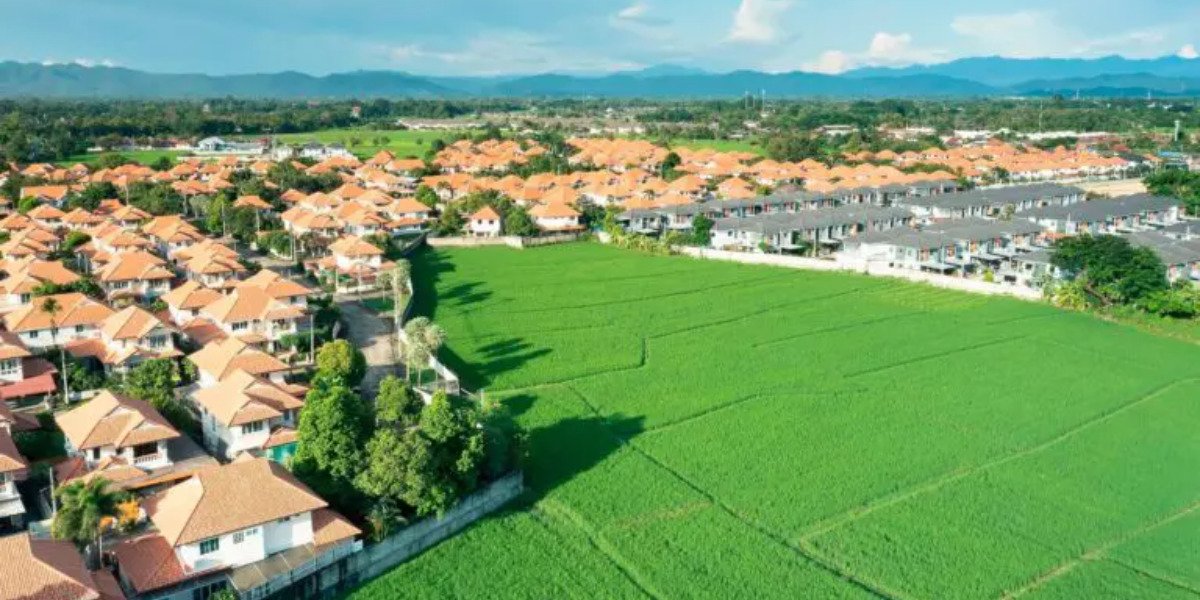
Kenya's real estate sector is facing a critical juncture as climate change intensifies, demanding a rapid shift toward sustainable practices to safeguard investments and communities.
The urgency stems from Kenya's vulnerability to climate-related disasters, including devastating floods and prolonged droughts, which place real estate assets at significant risk. Buildings not designed for climate resilience are susceptible to damage, escalating repair costs and insurance liabilities, while properties that fail to meet evolving regulatory standards may become obsolete.
Buildings are recognized as significant contributors to carbon emissions, accounting for 39% of energy-related emissions worldwide, according to the World Green Building Council. Locally, Kenya's Climate Change Act of 2016 sets forth a goal of reducing greenhouse gas emissions by 30% by 2030—a target that underscores the urgency of integrating sustainability into construction and property management.
The transition to sustainable real estate presents significant opportunities for investors. Energy-efficient buildings with climate-conscious designs reduce operational costs and enhance asset value. Properties with green certifications are commanding higher valuations globally, with tenants increasingly prioritizing spaces that align with environmental and social responsibility goals. In Kenya, industry leaders who integrate sustainability into their developments stand to gain a competitive advantage in the years ahead.
Achieving systemic change requires coordinated policy interventions. Regulators must create incentive structures that encourage sustainable practices, such as fast-tracked approvals for eco-friendly developments, tax benefits for green projects, and revised building codes that reflect modern efficiency standards. Financial institutions also have a crucial role to play through the introduction of green financing instruments and sustainable investment products, channeling capital toward responsible developments.






Comments
No comments yet — be the first.