
Kenyan Property Owners Adopt New Acoustic Technologies to Meet Noise Standards
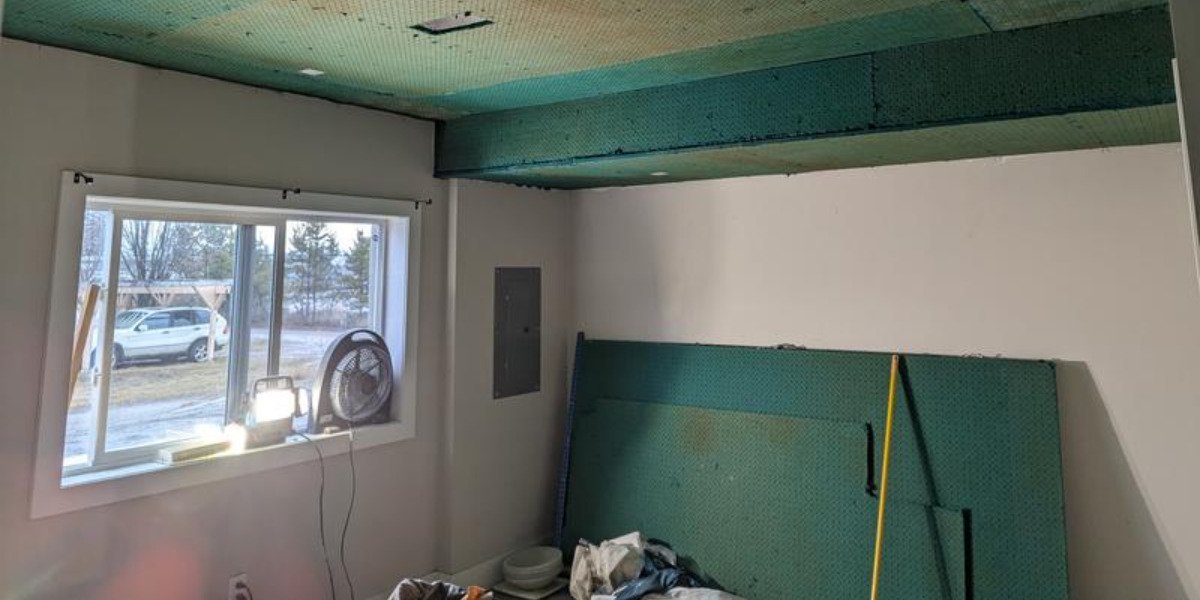
Tighter government enforcement of noise regulations is driving increased demand for soundproofing materials across Kenya’s urban buildings, particularly in places of worship, entertainment venues, and residential developments.
Over the past three years, authorities have intensified efforts to reduce excessive noise in cities, prompting property owners to adopt advanced acoustic solutions during construction and renovation. Traditional building materials, such as thin metal sheets (commonly known as mabati), have proven inadequate in managing high-decibel environments. Their lightweight nature and tendency to vibrate make them especially poor at containing low-frequency sounds like bass.
“Metal resonates easily, so even moderate volumes can cause a hollow hum that neighbours will hear,” said Japh Olende, oversight director at Jumbo Chem Kenya, a leading manufacturer of insulation and acoustic materials.
Brick and concrete offer better sound resistance due to their density, but still fall short in blocking deep, amplified vibrations. Timber, while less resonant than metal, often allows mid- and high-frequency sounds to pass through gaps within walls.
To overcome these challenges, many property owners are turning to supplementary soundproofing layers.
Materials such as mineral wool, fibreglass, melamine sponges, and rubber foams are commonly used, with polystyrene foam emerging as a preferred option. Its rigidity and acoustic properties make it particularly effective in reducing sound transmission, while its ease of installation and range of available thicknesses allow it to be tailored to different noise levels.
In nightclubs and other high-noise commercial venues, 50 mm foam panels have become the standard. According to Olende, applying foam behind speakers can reduce low-frequency sound by up to 15 decibels. Additional treatments, such as installing bass traps in corners and covering foam with gypsum boards, help enhance performance and maintain interior aesthetics.
Churches are also adopting acoustic improvements to comply with regulations and improve sound quality during services. In addition to external insulation, many are using soft wall panels and suspended foam shapes to manage internal acoustics. In residential settings, homeowners are incorporating carpets, thick curtains, and bookcases to absorb echoes and reduce sound reflection.
Health experts have linked long-term noise exposure to serious conditions, including heart disease, sleep disorders, and developmental issues. Public health estimates suggest that noise pollution contributes to 48,000 new cases of heart disease and disrupts sleep for more than 6.5 million people annually. As a result, soundproofing is increasingly seen not only as a regulatory measure but also as a public health priority.
In commercial offices, co-working spaces, and hospitality environments, acoustic insulation also plays a key role in preserving privacy and comfort. Sound barriers help prevent confidential conversations from being overheard and reduce disturbances caused by plumbing and foot traffic.






Comments
No comments yet — be the first.