
How Raila Transformed Kibera from Political Base to Urban Model
Raila Odinga, former Prime Minister and Member of Parliament for Lang’ata, has died at the age of 80.
His death was confirmed in Nairobi on 20 October 2025. Odinga’s political career spanned over four decades, during which he held several key government positions and was widely recognised for his role in urban development, particularly in informal settlements.
In Kibera, where he served as MP for over 20 years, his initiatives reshaped one of Africa’s largest informal settlements. In September 2004, while serving as Minister for Roads, Housing and Public Works, Raila accompanied First Lady Lucy Kibaki on a visit to Kibera.
The occasion marked the launch of the Kibera Education and Empowerment Programme. It also signalled the start of a larger effort to improve living conditions in the settlement.
At the time, the newly elected Narc government faced mounting pressure to address widespread urban neglect. Odinga, in partnership with UN-Habitat, led the implementation of the Kenya Slum Upgrading Programme (KENSUP), which aimed to replace temporary structures with permanent housing and infrastructure.
The programme was introduced during World Habitat Day in October 2004, in line with the Millennium Development Goals. One of the main challenges was relocating residents to allow for construction. Kibera housed between 500,000 and one million people across more than 600 acres, most living in overcrowded, poorly built homes.
An initial proposal to move families to Athi River, 23 kilometres away, was met with resistance due to concerns over access to jobs, schools, and social networks. Odinga intervened to secure an alternative site closer to Kibera, five acres of government land near Lang’ata Women’s Prison.
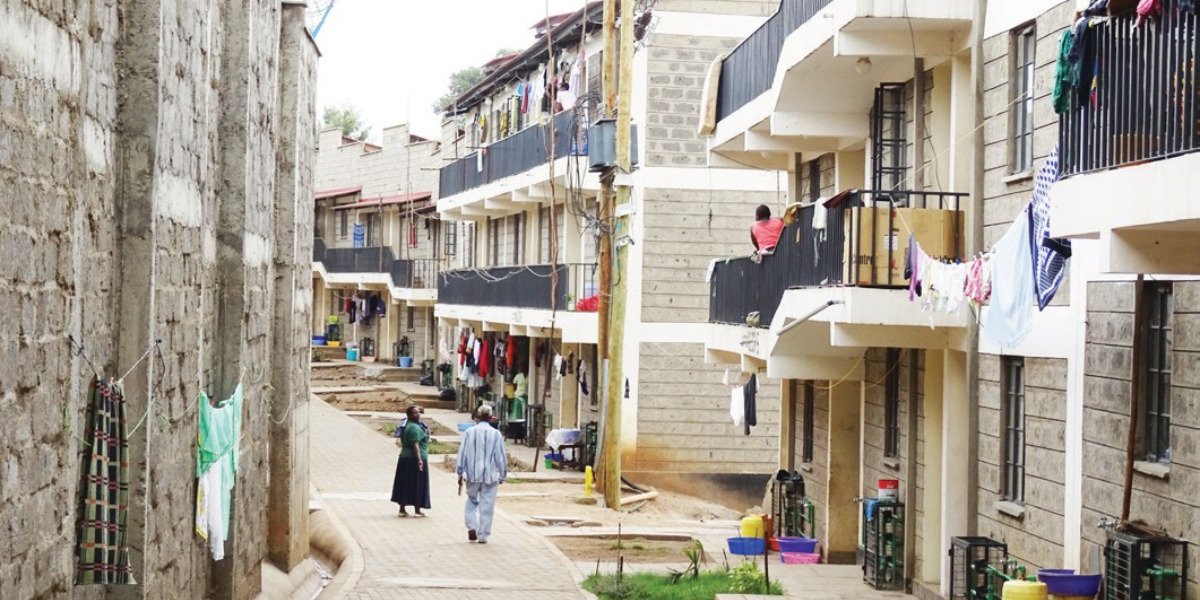
By September 2009, 2,000 families from Soweto East Zone A were resettled in new apartment blocks at the site, which later became known locally as “Raila.” The housing units were built to mirror those planned for Soweto East, where Odinga continued to advocate for further development during his time as Prime Minister.
In April 2016, nearly 700 families were handed keys to new apartments in Soweto after a public balloting process. The development, referred to by some as “Canaan,” marked the first successful in-situ slum upgrading project in Kibera.
Beyond housing, Odinga focused on improving basic services. UN-Habitat data from the period showed that more than 70 percent of Kenya’s urban population lived in slums, often lacking reliable access to water, sanitation, and electricity. Residents frequently paid higher rates for basic services than those in formal housing areas.
Odinga viewed urban development as a matter of equity. According to Dr Patrick Bucha, a former Housing Secretary, he consistently argued that access to infrastructure was a human right.
Projects he championed included road construction, water supply systems, and sanitation networks. The Lang’ata Link Road, now a key route through Kibera, was among the projects he supported to improve mobility and stimulate economic activity.
His legacy remains visible across the community in upgraded housing blocks and improved infrastructure.






Comments
No comments yet — be the first.