
Why Kenyan Athletes Won’t Compete Without Ugali on the Menu
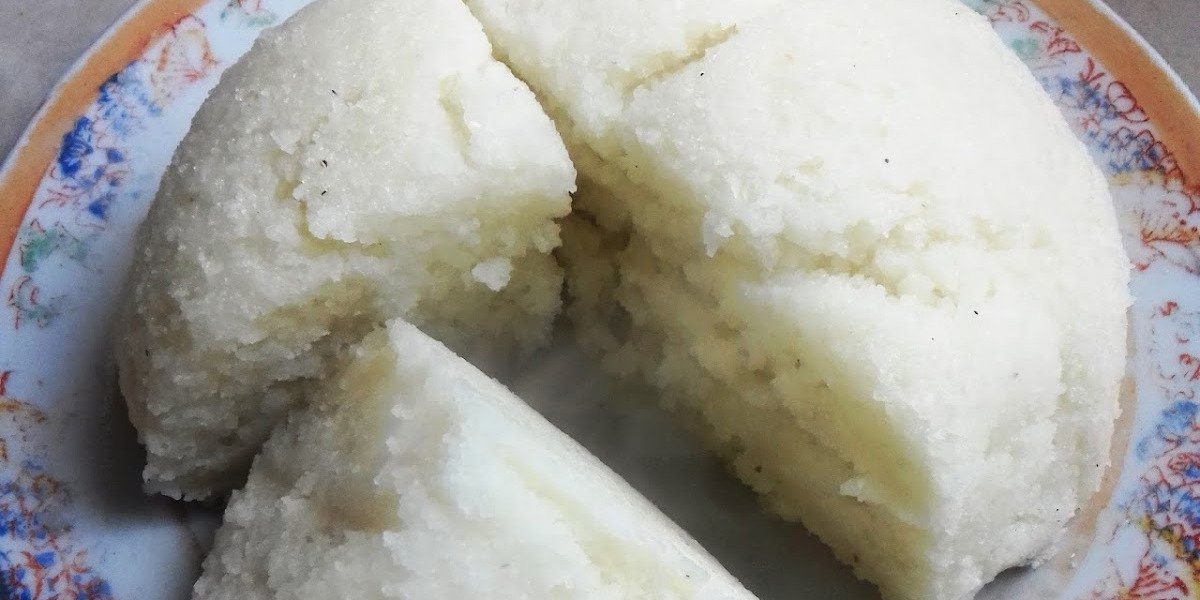
Kenya is placing a new focus on ugali, the country's traditional maize-based dish, as a strategic element in its sporting success ahead of the 2026 World Athletics Cross Country Championships in Florida. Athletics Kenya believes that the inclusion of familiar meals, such as ugali, is vital to athletes' performance abroad, drawing on lessons from recent international competitions. At the 2024 Paris Olympics and the 2025 World Athletics Championships in Tokyo, Kenyan athletes were provided with traditional meals through the efforts of embassies and diaspora communities, which officials believe contributed to improved morale and results.
The emphasis on maintaining cultural dietary practices has become a key part of the country’s approach to international competition. Susan Kamau, Athletics Kenya’s chief administrative officer, highlighted the significance of this dietary continuity. She cited Emmanuel Wanyonyi, who requested ugali during the 2025 World Championships in Tokyo, and attributed his success in reclaiming the men’s 800m title to the psychological and physical comfort provided by the familiar food.
Such measures have been replicated in other competitions, including the 2023 World Cross Country Championships in Bathurst, where maize flour was transported from Kenya, and ugali was prepared daily by team chaperone Ruth Bundotich. This effort contributed to Kenya’s strong performance, securing ten podium finishes, including six golds.
Kenyan embassies play a crucial role in ensuring athletes abroad have access to traditional meals. In Tokyo, Ambassador Moi Lemoshira oversaw arrangements to provide Kenyan food, sometimes hosting athletes at his residence. Similar arrangements were made in Paris, where the National Olympic Committee of Kenya collaborated with the embassy and diaspora to serve ugali and chapatis at the training camp in Miramas.
Former javelin world champion Julius Yego also recalled that during the 2012 London Olympics and subsequent world championships, the ambassador’s residence was the only reliable source of Kenyan food. Athletics Kenya’s leadership has taken a proactive approach to food logistics, treating it with the same level of importance as training schedules.
Ahead of the Paris Olympics, CEO Wanjiru Mbugua-Karani arranged for chefs to be trained in preparing ugali and chapatis, while maize flour, tea leaves, and other cooking essentials were transported to France.





Comments
No comments yet — be the first.