
Why Your Title Deed May Not Guarantee Land Ownership, Court Warns
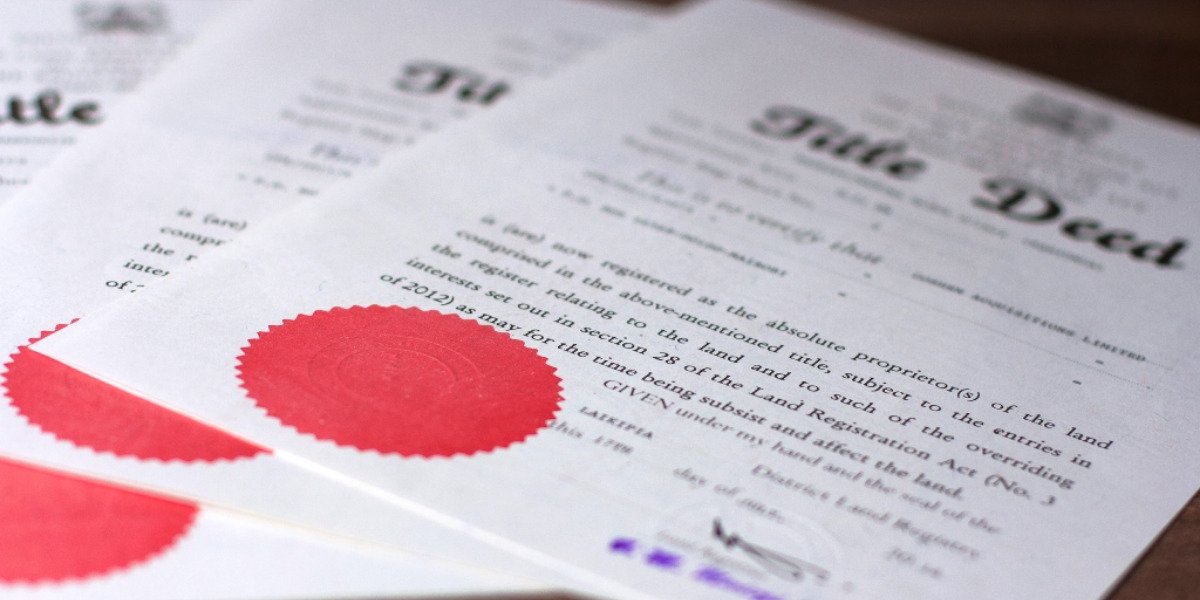
A recent court ruling in Mombasa has raised concerns about the reliability of title deeds as proof of land ownership in Kenya.
The case involved a parcel of land originally designated as a public road reserve. Despite this status, the land was surveyed, allocated to private individuals, and registered with title deeds. The owners, having fenced off the property, believed their legal documents offered full protection.
However, anti-corruption authorities later contested the ownership, arguing that the land had never been lawfully converted from a public reserve to private property. They maintained that the land had not gone through the required legal processes for it to be allocated to private individuals.
The registered owners, on the other hand, defended their possession, presenting their title deeds as proof of ownership. The court ruled that the title deeds were invalid, asserting that registration alone could not legitimise an unlawful act. The land had remained public property, and the government had no authority to allocate it without a proper legal procedure.
The judgment made clear that any title deed issued under such circumstances was void, regardless of subsequent transactions or the intentions of later buyers. The ruling underscores the need for buyers to go beyond checking the registry when conducting due diligence.






Comments
No comments yet — be the first.