
The Growing Myth of "Medical" Marijuana Among Young Kenyans
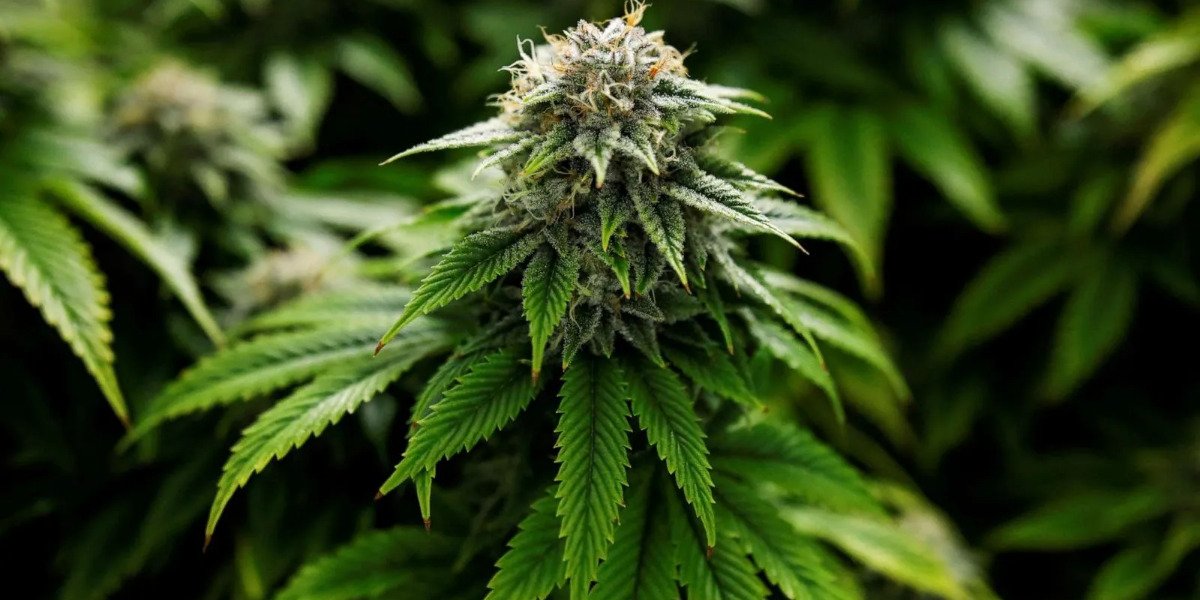
A rising number of young people in Kenya are increasingly using cannabis, claiming it as a remedy for anxiety, insomnia, and the pressures of daily life.
This trend, growing in university hostels and urban areas has raised concerns among mental health professionals about the risks of unsupervised self-medication. Many of Kenya’s youth are under significant psychological strain, with academic stress, limited job opportunities, and the impact of social and economic challenges exacerbating their mental health issues.
Cannabis, already the most widely used illicit drug in the country, is often seen as a quick and socially acceptable form of relief. However, experts highlight that the cannabis consumed on the streets, often a potent form of marijuana known as "shash" or "weed", is vastly different from the regulated, low-THC products used in medical treatments overseas for conditions like chronic pain or epilepsy.
The dangers are especially pronounced in young people, whose brains are still developing. The prefrontal cortex, responsible for decision-making and emotional control, is not fully mature until the mid-20s. Regular use of high-THC cannabis during this time can impair concentration, reduce motivation, and cause mood instability.
Cases of cannabis-induced psychosis, including paranoia and hallucinations, are rising. For those with a genetic predisposition, long-term use can trigger more severe mental health disorders, including schizophrenia.
In the absence of accessible care, cannabis has become a substitute for professional help. While it may offer short-term relief, many users develop a dependency, relying on the drug simply to cope with daily life.






Comments
No comments yet — be the first.