
Nairobi Property Owners Turn to Global Hotel Brands to Boost Returns
Property owners in Nairobi are increasingly partnering with international hotel brands to strengthen their position in the serviced apartment market.
Nairobi’s serviced apartment sector is undergoing a significant shift as more developments align with global hospitality brands. What was once optional is now becoming a central strategy for operators seeking stable performance and market visibility.
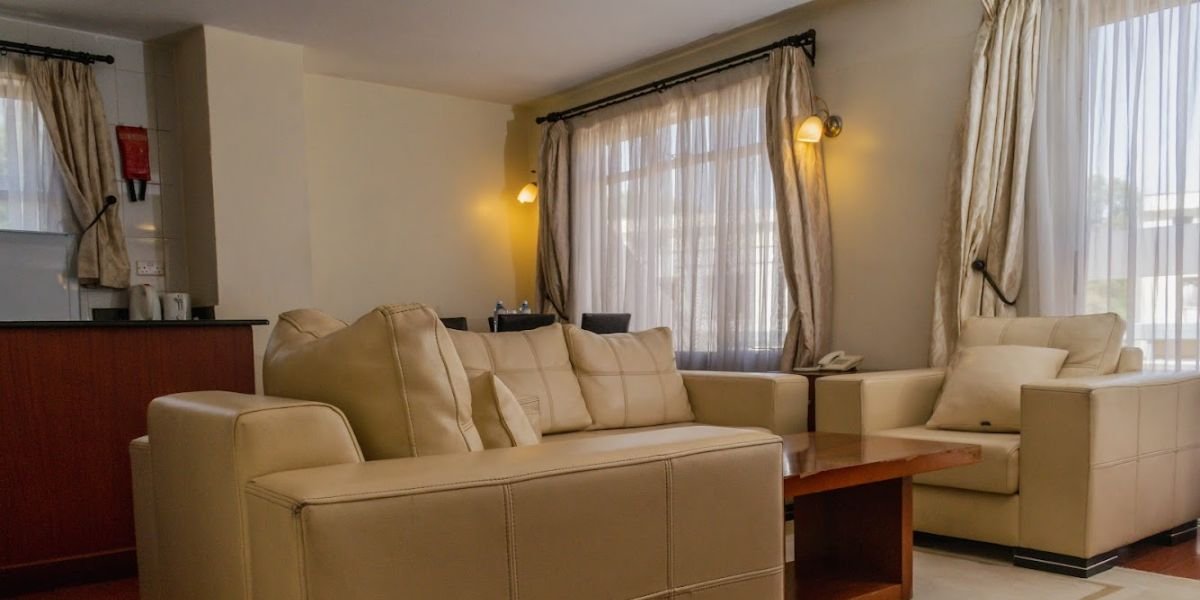
The experience of Heri Heights reflects this change. After rebranding under Best Western’s SureStay Collection, the property recorded a 25 percent increase in short-let revenue within a year. Industry specialists note that booking platforms are better suited to smaller portfolios. While they convert users who are already searching, they do not consistently direct traffic to specific properties.
For developments with many units, this can result in lower occupancy, higher operating costs and reduced asset value. Data from 2024 supports the advantage of branded partnerships. Serviced and branded apartments in Nairobi achieved average occupancy of 72 percent, compared with 52 percent for traditional hotels. Analysts attribute this difference to the trust and consistency associated with established international brands, especially among foreign travellers.
According to the Kenya National Bureau of Statistics, the hospitality sector faced its weakest performance in five years in 2025. Economic pressures and competition from destinations such as Rwanda and Zanzibar affected overall results. However, branded residences performed more strongly, supported by demand for secure and flexible accommodation.
For international hotel groups, these partnerships offer a cost-effective way to enter new markets while relying on local expertise. For property owners, they provide brand recognition, broader marketing reach and additional revenue opportunities through services such as restaurants and wellness facilities.
Despite these benefits, challenges remain. Meeting international brand standards often requires substantial investment in upgrades to interiors, technology and infrastructure. Some brands also set minimum unit requirements, which can exclude smaller investors.






Comments
No comments yet — be the first.