
Inside the Secretive Orchid Breeding Industry: An Exotic Business Blooms
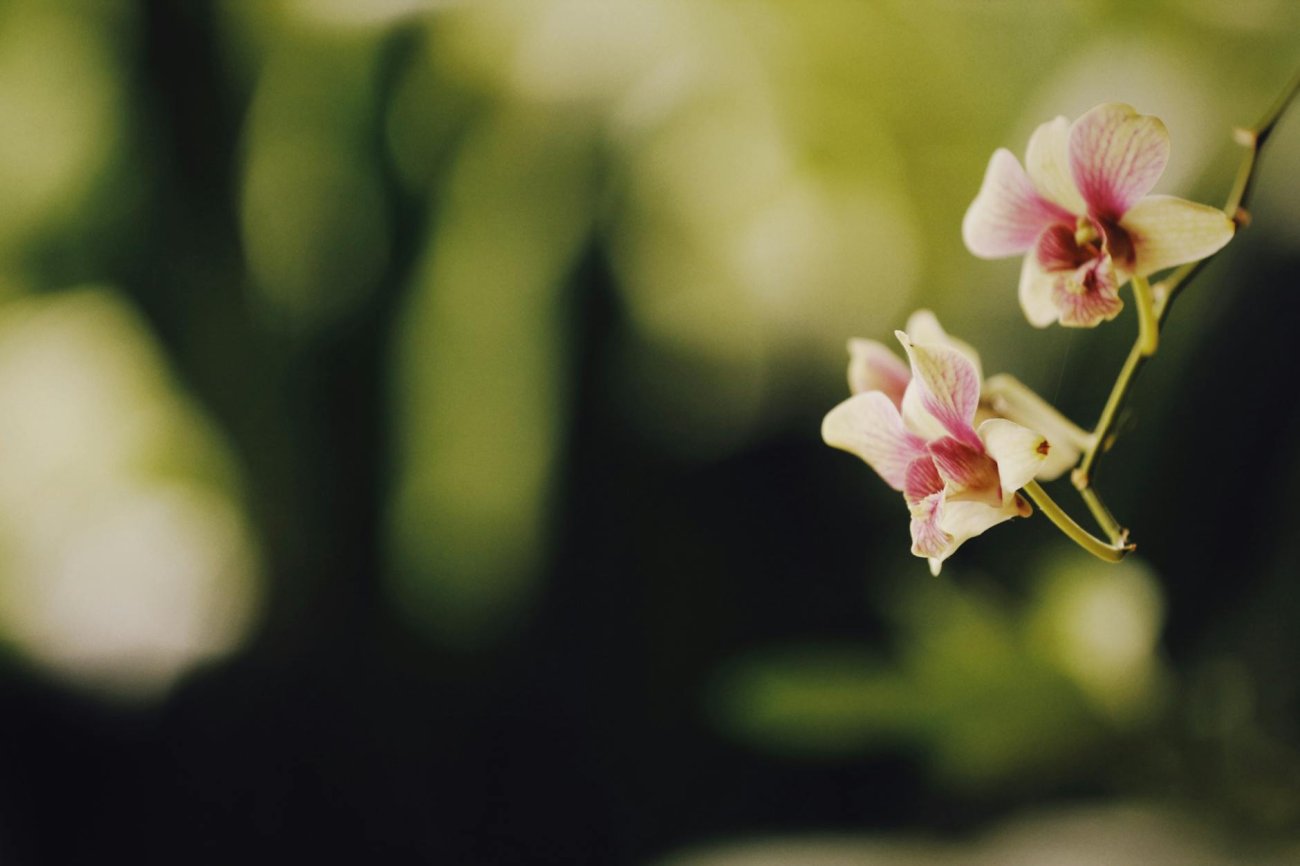
The secretive and lucrative world of orchid breeding has long captivated botanists, horticulturists, and investors alike. The industry, shrouded in mystery, is known for its rigorous breeding processes that can take up to a decade to fully develop a new orchid variety. This painstaking process underscores the high stakes and high rewards involved in the trade of these exotic flowers.
Orchid breeding is more than just a labor of love; it is a multi-million dollar industry. Renowned breeders work tirelessly to perfect hybrid species, utilizing cutting-edge technology and closely guarded techniques. The financial stakes are high, with a single rare orchid variety fetching prices upwards of $1,000. The global orchid market has been valued at approximately $5 billion annually, with Asia and North America being the largest consumers.
Leading breeders often operate in secrecy, motivated by the intense competition and the potential for intellectual property theft. “The market is incredibly competitive,” says Dr. Dennis Tsai, a renowned orchid breeder based in Taiwan. “Protecting our innovations is crucial, as any leak in our breeding processes could undermine years of work and investment.”
With over 25,000 species, orchids are the largest family of flowering plants, and their diversity presents endless possibilities for breeders. The science of orchid breeding involves the manipulation of pollination processes, genetic selection, and environmental control. Dr. Tsai explains that “our goal is to enhance desirable traits such as color, fragrance, and resilience to diseases.” This complex and sensitive procedure makes the breeding industry both a scientific and artistic endeavor.
Moreover, the demand for unique and exotic orchid varieties is not limited to individual collectors. Large-scale commercial growers and high-end floral retailers are constantly seeking new hybrids to captivate their clientele. The advent of online marketplaces has further expanded the reach of orchid sales, allowing breeders to connect with customers worldwide.
The implications for developing nations, particularly those with rich biodiversity, are significant. Countries like Thailand and Malaysia have leveraged their native orchid varieties to boost tourism and export revenues. However, the focus on commercial breeding has sparked concerns about biodiversity loss and environmental sustainability. Conservationists urge breeders to adopt sustainable practices to preserve wild orchid populations.
The industry's future is poised for growth, with advancements in biotechnology promising to accelerate breeding timelines and enhance genetic diversity. Scientists at the Royal Botanic Gardens, Kew, are pioneering research in genome mapping to better understand the genetic makeup of orchids. Dr. Tim Entwisle, Director of the Royal Botanic Gardens, notes, “These innovations hold great potential for the industry, allowing us to produce more resilient and vibrant orchids while preserving natural habitats.”
As the orchid breeding industry continues to thrive, stakeholders must balance commercial interests with ecological responsibility. The allure of these captivating flowers will undoubtedly fuel ongoing interest and investment, but sustainable practices will be key to ensuring their future existence in the wild. The development of international standards for orchid trade and breeding practices could help harmonize efforts to protect these cherished plants.






Comments
No comments yet — be the first.