
Why Investors Earn More in Slums Than Nairobi’s Affluent Suburbs
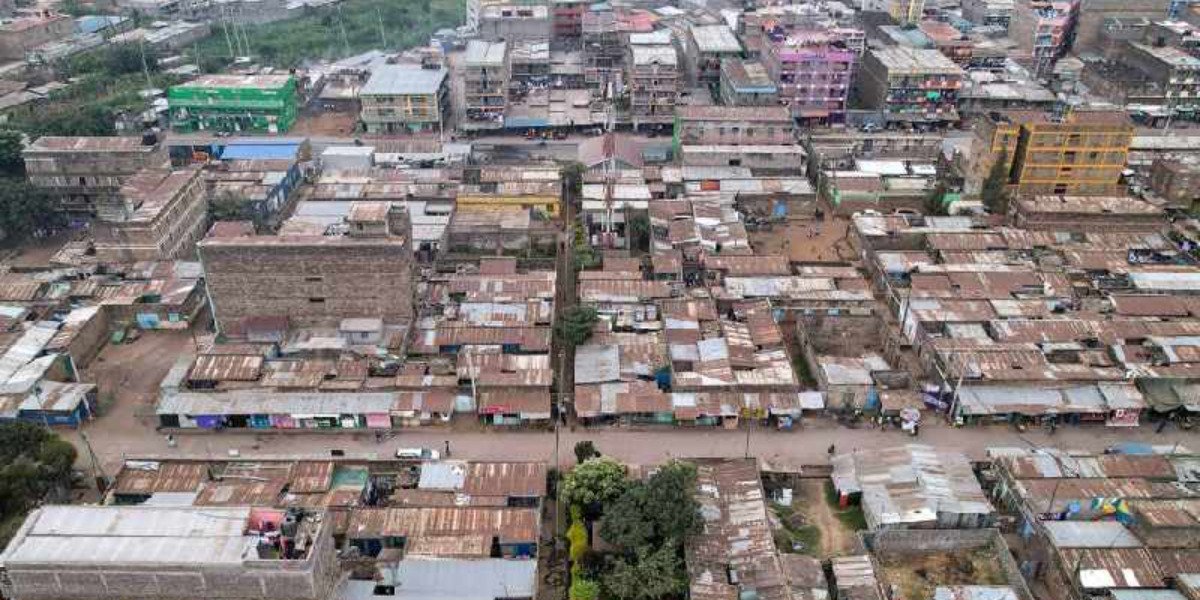
Housing Principal Secretary Charles Hinga has said that some of the highest returns in Kenya’s property market are generated in informal settlements rather than in Nairobi’s affluent suburbs.
Speaking at the 4th International Research Conference, Skills Competition and Expo at Kabete National Polytechnic, Hinga challenged common perceptions about real estate investment. He argued that investors often overlook the profitability of housing in informal settlements while focusing on high-end areas such as Kilimani, Muthaiga and Kileleshwa.
According to Hinga, landlords in informal settlements benefit from the high cost of basic services paid by tenants. He cited areas including Kibra, Mathare, Embakasi, Kasarani, Huruma, Kawangware, Kangemi, Dandora, Kariobangi and Eastleigh as examples where property owners earn significant returns through charges linked to utilities and services.
He said electricity is frequently supplied through informal connections, yet tenants are often charged rates comparable to commercial users. In some instances, residents pay nearly 140 percent more for electricity than households connected directly to Kenya Power.
Hinga also noted that access to water remains limited in many informal settlements. As a result, residents depend on private vendors who sell water at substantially higher prices. He estimated that water can cost up to 175 percent more than in formal residential areas.
Sanitation services also add to household expenses, with many residents paying to use toilets and other facilities. Hinga described the situation as a “penalty of poverty”, arguing that low-income households often pay more for essential services than wealthier residents living in formal housing.
He said the government’s Affordable Housing Programme is intended to reduce these costs by providing decent and regulated housing for lower-income families.






Comments
No comments yet — be the first.