
Global Oil Prices Stabilize as Middle East Tensions Ease, Impact Felt in Fuel Markets
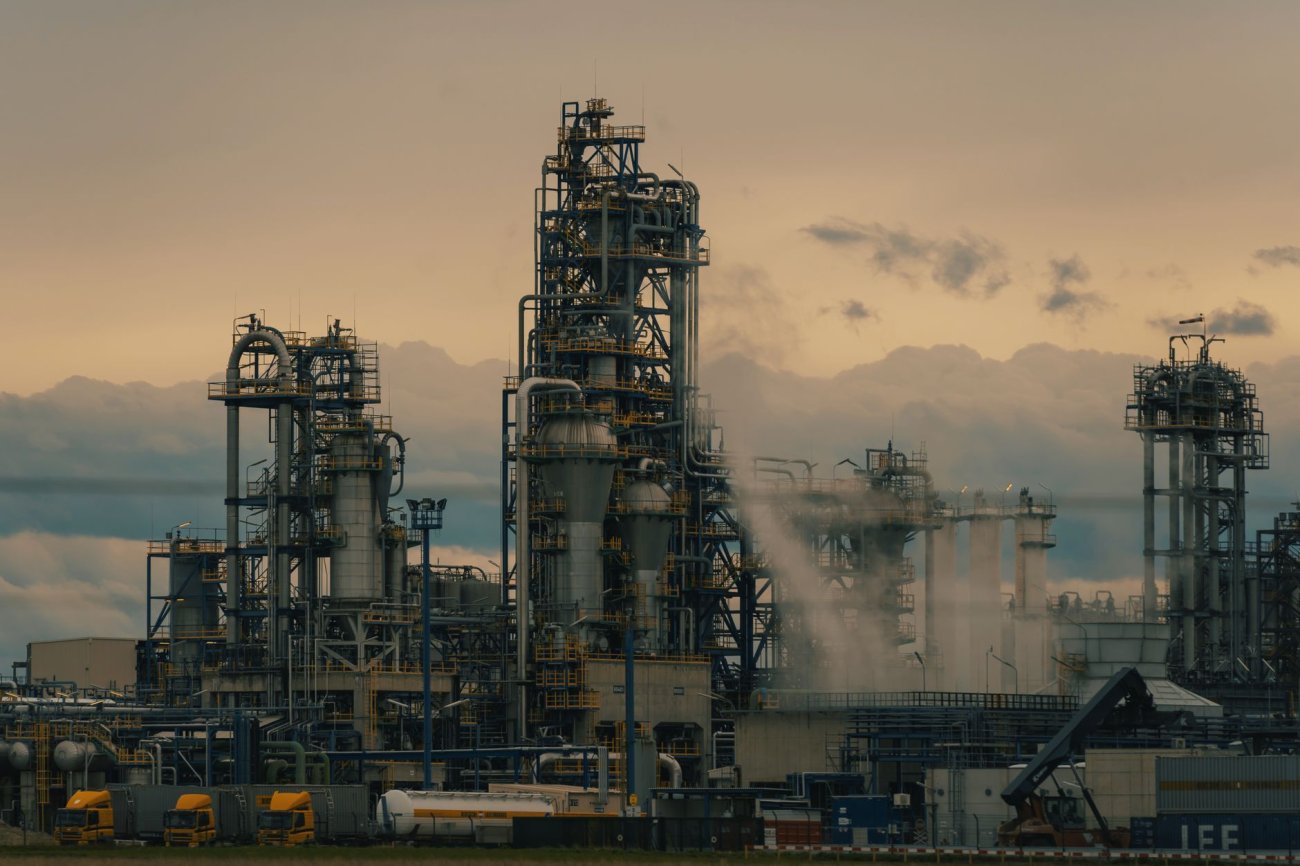
Oil prices have returned to pre-Iran war levels, bringing relief to global fuel markets after months of volatility. The conflict that erupted on February 28 had initially triggered a sharp rise in energy costs due to disruptions in production and transportation across the Middle East. As the geopolitical tensions have calmed, the market is witnessing a stabilization that is expected to have significant implications for global economies.
The recent de-escalation in the Middle East has allowed for the resumption of oil exports, contributing to the price normalization. According to the International Energy Agency (IEA), the Brent crude oil benchmark has fallen to $75 per barrel, down from the peak of $110 during the early stages of the conflict. This reduction is anticipated to ease inflationary pressures worldwide, particularly in countries heavily reliant on oil imports.
"The easing of tensions has greatly contributed to the current stabilization of oil prices," said Fatih Birol, Executive Director of the IEA, in a recent statement. "While the market remains susceptible to geopolitical factors, the current environment is conducive to more predictable pricing."
The return to pre-conflict oil prices also affects the transportation sector, with fuel costs for consumers expected to decrease. In the United States, the Energy Information Administration (EIA) reported that average gasoline prices have dropped to $3.60 per gallon, providing some financial relief to households and businesses alike.
For developing nations, particularly in Africa, the stabilization of oil prices is a mixed blessing. While reduced fuel costs can support economic growth and development, many countries in these regions are also oil exporters. The lower prices may impact their revenue streams, affecting budgets that rely heavily on oil exports. Nonetheless, the overall effect is expected to be positive for countries that import more than they export.
U.S. Secretary of State Marco Rubio emphasized the importance of maintaining open channels of communication to prevent future escalations. "We must continue to engage diplomatically to ensure the stability of energy markets, which is crucial for global economic health," Rubio stated during a press briefing.
Looking ahead, analysts are keeping a close watch on the geopolitical landscape, as any renewed tensions could once again disrupt the delicate balance in oil markets. The Organization of the Petroleum Exporting Countries (OPEC) has indicated it will monitor production levels closely to maintain market stability. As global economies continue to adjust to post-conflict realities, the focus remains on ensuring a steady supply chain that can withstand potential future shocks.
The situation also underlines the continued need for diversification in energy sources. Nations worldwide are increasingly looking to renewables and alternative energy to reduce dependency on oil, a shift that could reshape global energy dynamics in the coming years.






Comments
No comments yet — be the first.