
The First Cry Isn't Enough: Why Every Baby Should Be Screened at Birth
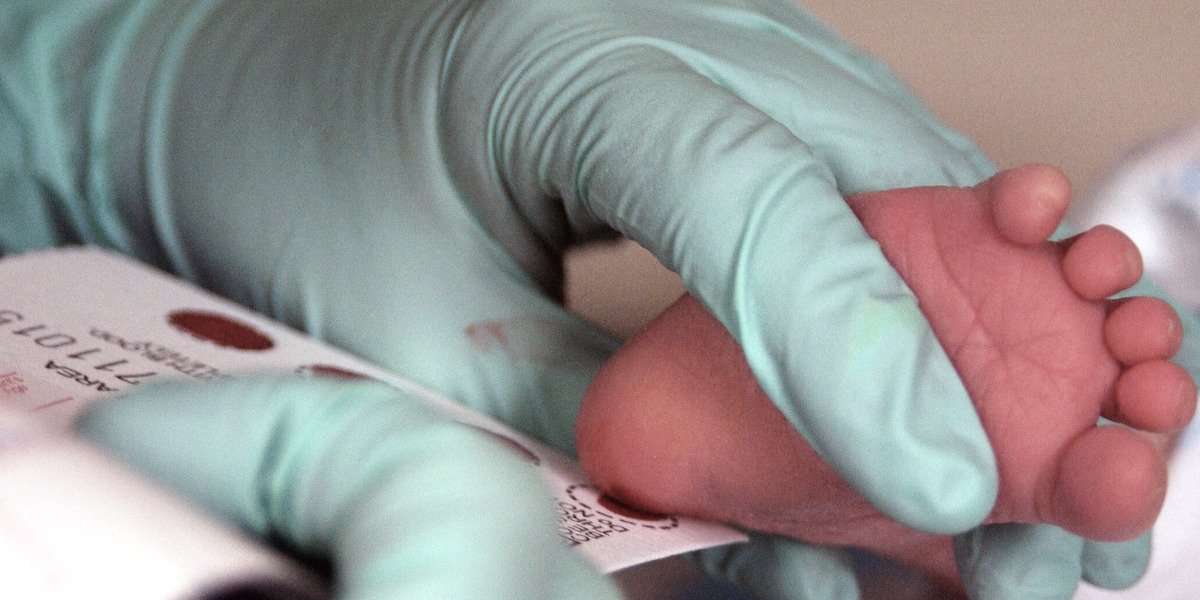
Newborn screening at Aga Khan University Hospital in Nairobi is helping doctors identify serious but treatable conditions in babies before symptoms develop, allowing early treatment that can prevent lifelong health complications.
The screening is a routine test carried out between 48 and 72 hours after birth. It involves collecting a few drops of blood from the baby's heel, a simple procedure that causes only brief discomfort. The timing allows the baby's metabolic processes to stabilise while ensuring conditions are detected as early as possible.
The hospital's screening programme covers congenital hypothyroidism, congenital adrenal hyperplasia, cystic fibrosis, galactosaemia and sickle cell disease. Although each condition is uncommon, together they pose a significant risk to infant health.
Detecting them early allows treatment to begin before serious complications develop, reducing the risk of developmental delays, intellectual disability and life-threatening illness. Some conditions, including congenital hypothyroidism and severe galactosaemia, can cause permanent neurological damage if left untreated.
An abnormal screening result does not confirm that a baby has a medical condition. Instead, it indicates that further assessment is needed, which may include repeat screening or additional diagnostic tests.
Repeat testing may also be required if the original blood sample was insufficient or if the baby received a blood transfusion before the test. A normal result provides reassurance but does not rule out every possible condition, as some illnesses may appear later in infancy. Regular monitoring of a child's growth and development remains important.
Newborn screening helps prevent illness by identifying treatable conditions before symptoms appear. Early diagnosis reduces the impact of disease on children, families and the healthcare system while avoiding the emotional and financial costs associated with delayed treatment.
Dr Maina, Assistant Professor at Aga Khan University Medical College and Consultant Pathologist at Aga Khan University Hospital, said newborn screening reflects a preventive approach to healthcare. He said early testing allows doctors to protect a child's health before signs of illness become apparent.






Comments
No comments yet — be the first.