
Kenyan Cobbler Keeps South London Business Alive by Diversifying into Key Cutting
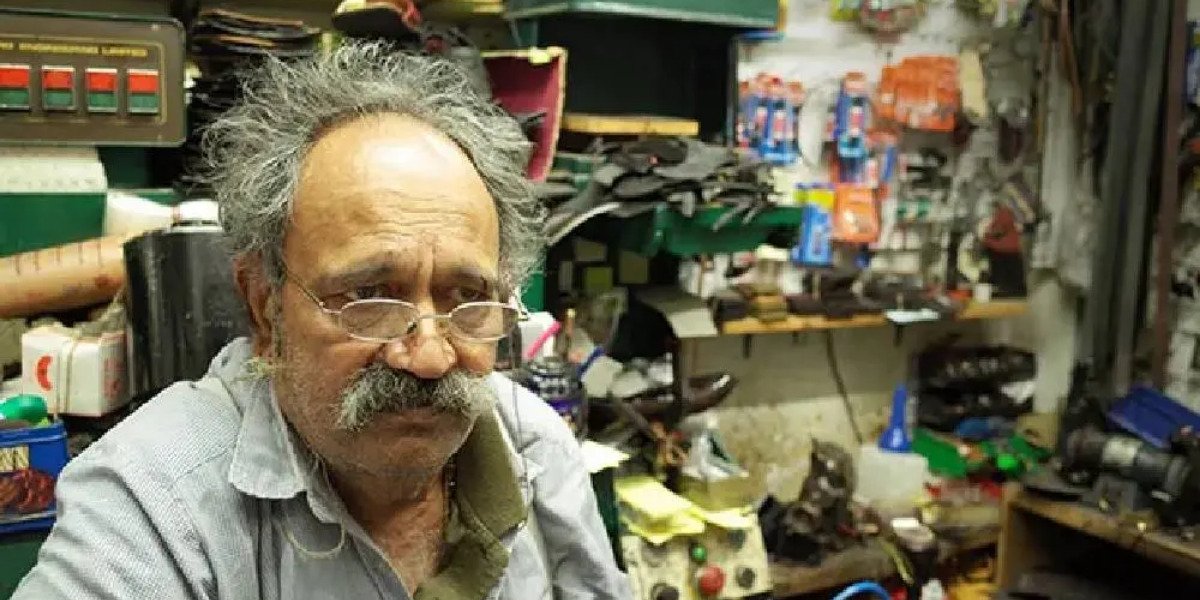
A South London cobbler has kept his business going by expanding into key cutting as demand for traditional shoe repairs continues to decline.
Jay, who works from Reliance Arcade in Brixton, has adapted his trade to meet changing customer needs. Originally from Kisumu, Kenya, he moved to the United Kingdom in the 1970s with the shoemaking skills passed down through his family. After many years running a workshop on Old Kent Road, he relocated to Brixton in the mid-2000s.
By that time, traditional shoe repair had already begun to decline. Cheap, mass-produced footwear made from synthetic materials encouraged customers to replace worn shoes instead of repairing them. As a result, many independent cobblers across Britain closed their businesses. Jay recognised that he would need to diversify to continue operating.
He expanded into key cutting, a trade that requires the same level of accuracy and care as repairing leather shoes. Using a key-cutting machine, he copies the shape of an original key onto a blank by tracing its profile while a cutting wheel reproduces the matching grooves. Even a very small error can prevent the duplicate from working, making precision essential.
Although digital locks and smart home technology are becoming more common, mechanical keys remain widely used. They continue to provide a reliable alternative when batteries fail or electronic systems stop working. Many people also prefer the simplicity of giving a physical spare key to a family member or neighbour. This continued demand provides a steady flow of customers for Jay's workshop.
His business continues to repair leather footwear when required, while key cutting now provides its main source of income.






Comments
No comments yet — be the first.