
Carney Strives for Trade Harmony as US-Canada Deal Deadline Nears
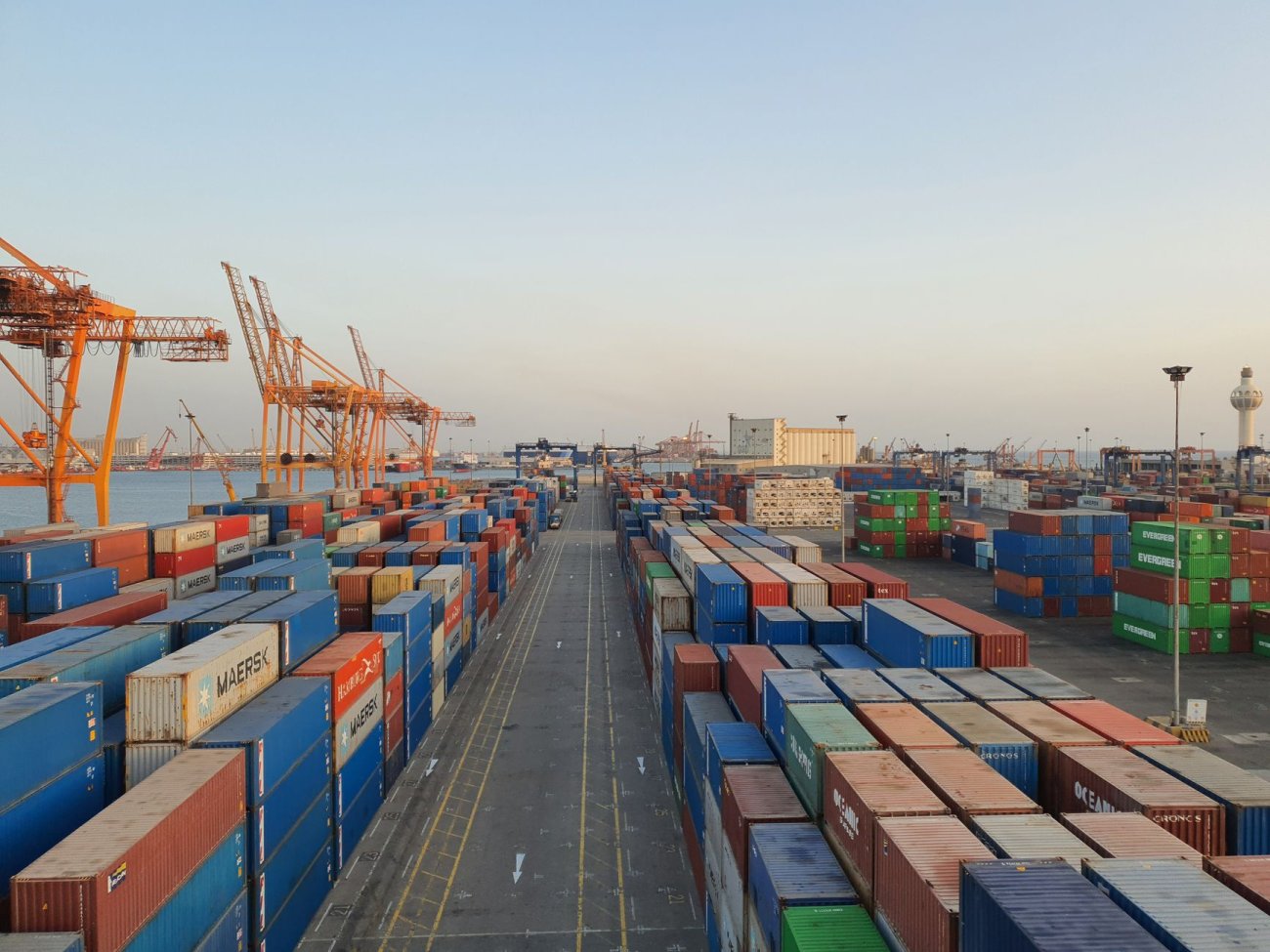
With the trade deadline rapidly approaching, Canadian Prime Minister Mark Carney is facing a pivotal moment in negotiations with U.S. President Donald Trump's administration, as both nations seek to avoid fresh tariffs. The discussions have become increasingly urgent, as the United States threatens to impose new tariff measures on Canadian exports if a consensus is not reached by August 31, 2026. These tariffs could have significant economic implications for both countries, further complicating bilateral relations.
The U.S. is Canada's largest trading partner, with trade between the two countries amounting to approximately $664 billion in goods and services in 2025, according to official statistics from the U.S. Department of Commerce. The ongoing negotiations are part of an effort to update and potentially replace portions of the United States-Mexico-Canada Agreement (USMCA), which took effect in 2020, to address disputes and modernize trade relations.
In recent weeks, Prime Minister Carney and his team have been conducting intense negotiations to reach a deal that would prevent the potential imposition of tariffs on Canadian aluminum and softwood lumber, key export goods. "Canada remains committed to ensuring a fair and productive trading relationship with the United States," Carney stated in a recent press conference. "We are advocating for a balanced approach that supports both our economies while maintaining the integrity of our industries."
However, the Trump administration has emphasized the need for Canada to offer more concessions, particularly in the agricultural sector. U.S. Secretary of State Marco Rubio has been a vocal advocate for the American agricultural industry's interests in the negotiations, urging Canada to open its markets further. "We need Canada to be a willing partner in creating a fair trade environment that benefits both nations," Rubio said during a recent economic forum.
The issue of tariffs and trade negotiations is not isolated to North America. The potential economic ripple effects are being closely watched by other trading nations, including emerging economies in Africa, which often rely on stable trade relations between large economies for their export markets. As global supply chains remain sensitive to disruptions, African nations could face indirect impacts if significant tariffs alter trade flows and demand dynamics.
As the deadline looms, stakeholders on both sides are keenly aware of the economic stakes involved. Industry representatives, particularly in the Canadian automotive and agricultural sectors, have been lobbying intensely for a resolution that avoids disruption. A non-deal could lead to retaliatory measures and heighten tensions, potentially escalating into broader trade disputes.
Observers will be closely monitoring developments in the coming days, as negotiators from both sides work to find common ground. The stakes are high, and the outcome will likely influence future trade discussions between the U.S. and other partners. As Prime Minister Carney leads the Canadian delegation, his diplomatic acumen and strategic approach to these negotiations may very well define his tenure in office.






Comments
No comments yet — be the first.