
US Universities Challenge New Visa Rules for International Students
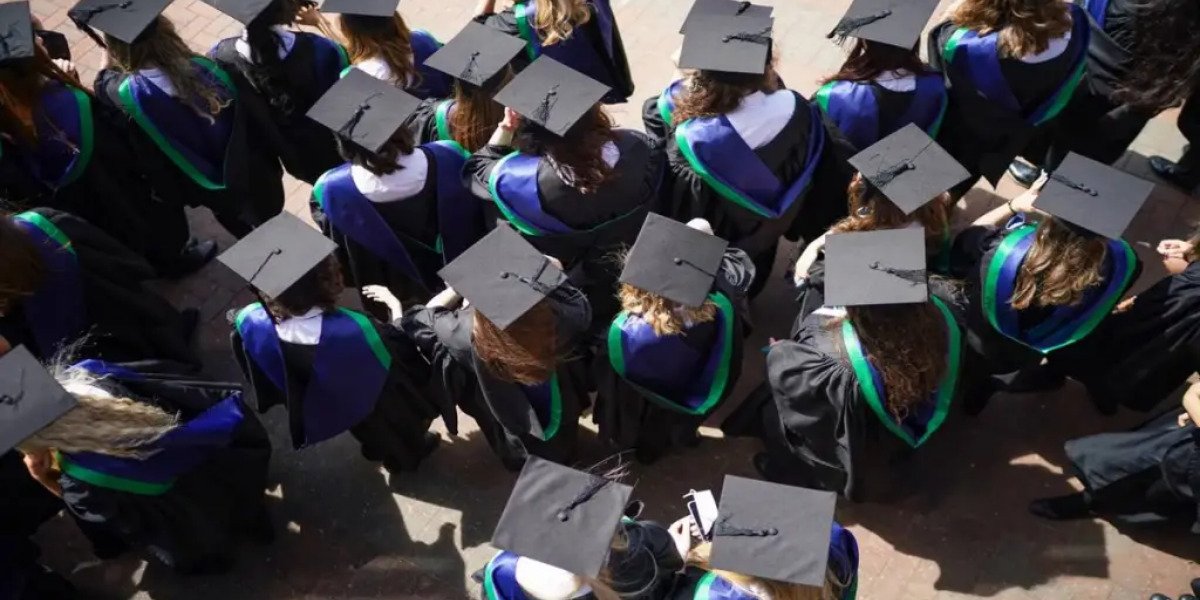
A coalition of universities and labour organisations has filed a legal challenge against a US Department of Homeland Security (DHS) rule that would change visa conditions for international students and exchange visitors.
The case, filed on 18 August in the District Court of Massachusetts, seeks a preliminary injunction to block the regulation before it takes effect on 15 September. The plaintiffs argue that DHS acted unlawfully when it replaced the long-standing “duration of status” system with fixed admission periods.
Under the current system, students on F-1 visas and exchange visitors on J-1 visas can remain in the United States as long as they continue to make progress in their academic or exchange programmes. The new rule, published in July, would instead limit admission to a fixed period of up to four years. Similar restrictions would apply to foreign media representatives on I visas.
Students who need more time to complete their studies would have to apply for an Extension of Stay. Critics of the rule say this would create additional uncertainty and administrative burdens when planning academic programmes.
The plaintiffs argue that DHS failed to properly assess the costs and benefits of the regulation, did not adequately consider public feedback and overlooked less restrictive alternatives. They also claim that the department exceeded its statutory authority and that the rule conflicts with the objectives DHS says it is intended to achieve.
“After carefully reviewing the final rule and the sweeping harm it will cause to our national interest, it is clear that litigation is warranted and necessary,” said Fanta Aw, chief executive of NAFSA, one of the organisations leading the case.
The regulation also changes the rules for students already in the United States. Those covered by the existing system may remain until the end of their programme or authorised training, but no later than November 2030. After that, they would have to apply for an extension or leave the country and seek readmission under the new fixed-term system.
The rule would also reduce the post-study grace period from 60 days to 30 days. This could affect students moving into employment or further study after completing their programmes. Some protections would remain for students undertaking Optional Practical Training (OPT), STEM extensions or awaiting decisions on H-1B applications.
The immediate issue before the court is whether to grant the preliminary injunction. If granted, the injunction would suspend implementation of the rule while the wider legal challenge proceeds, allowing the current system to remain in place temporarily.
If the injunction is denied, the regulation will take effect on 15 September.






Comments
No comments yet — be the first.