
Trump Administration's Proposed H-1B Visa Fee Hike Threatens U.S. Healthcare Workforce
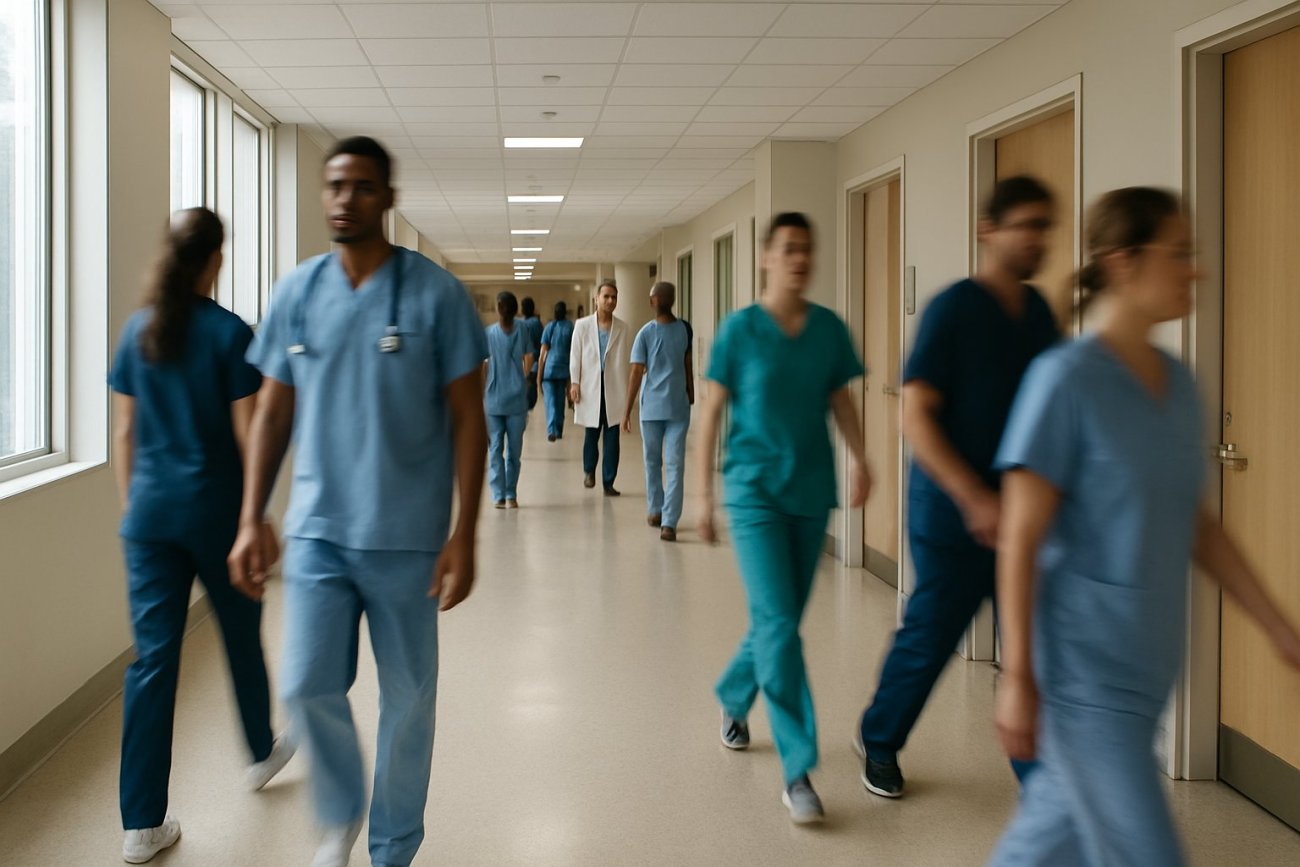
The Trump administration has proposed a significant increase in the application fee for the H-1B visa, a move that could have far-reaching consequences for the U.S. healthcare workforce, including many Kenyan and other African professionals. The proposed fee, which would rise to $103,265, represents a dramatic increase from the current $2,460. This change is expected to impact hospitals and healthcare facilities across the United States that rely on skilled foreign professionals to fill critical roles.
U.S. Secretary of State Marco Rubio stated, "The proposed fee increase is a necessary step to ensure that our immigration system is self-sustaining and prioritizes American workers." However, the announcement has sparked concern among healthcare administrators and immigrant advocacy groups. According to the American Hospital Association, foreign-born professionals make up a significant portion of the healthcare workforce, with approximately 17% of U.S. healthcare workers being immigrants.
Kenya's Cabinet Secretary for Foreign Affairs, Musalia Mudavadi, expressed concern about the proposal's potential impact on Kenyan professionals in the U.S. "Kenyan healthcare workers play a crucial role in the American healthcare system, and such a steep fee increase could potentially deter skilled professionals from pursuing opportunities in the United States," Mudavadi said.
The H-1B visa program is critical for attracting international talent, particularly in fields experiencing labor shortages. The healthcare sector, notably understaffed, has historically relied on the H-1B visa to recruit physicians, nurses, and researchers. According to the U.S. Citizenship and Immigration Services (USCIS), approximately 20,000 H-1B visas are granted annually to workers in specialized occupations, including healthcare.
The proposed fee increase has also raised alarms within the Kenyan diaspora community. The Kenya Diaspora Alliance, a prominent advocacy group, released a statement noting, "The proposed fee could disproportionately affect African professionals, who already face numerous barriers in the immigration process. We urge the U.S. government to reconsider this decision in light of its potential impact on essential services."
Dr. John Kihara, a Kenyan physician practicing in Illinois, highlighted the challenges posed by the fee hike. "Many of us came to the United States to contribute to the healthcare system in areas where there is a dire need. This fee increase could make it financially unfeasible for hospitals to sponsor foreign professionals, ultimately affecting patient care," Dr. Kihara remarked.
As the proposal awaits further review, stakeholders from various sectors are voicing their concerns. The healthcare industry continues to advocate for policies that support the recruitment and retention of international talent, emphasizing the critical role that immigrant professionals play in the U.S. economy and public health infrastructure.






Comments
No comments yet — be the first.