
Dozens of soldiers arrested after apparent coup attempt in Niger’s capital
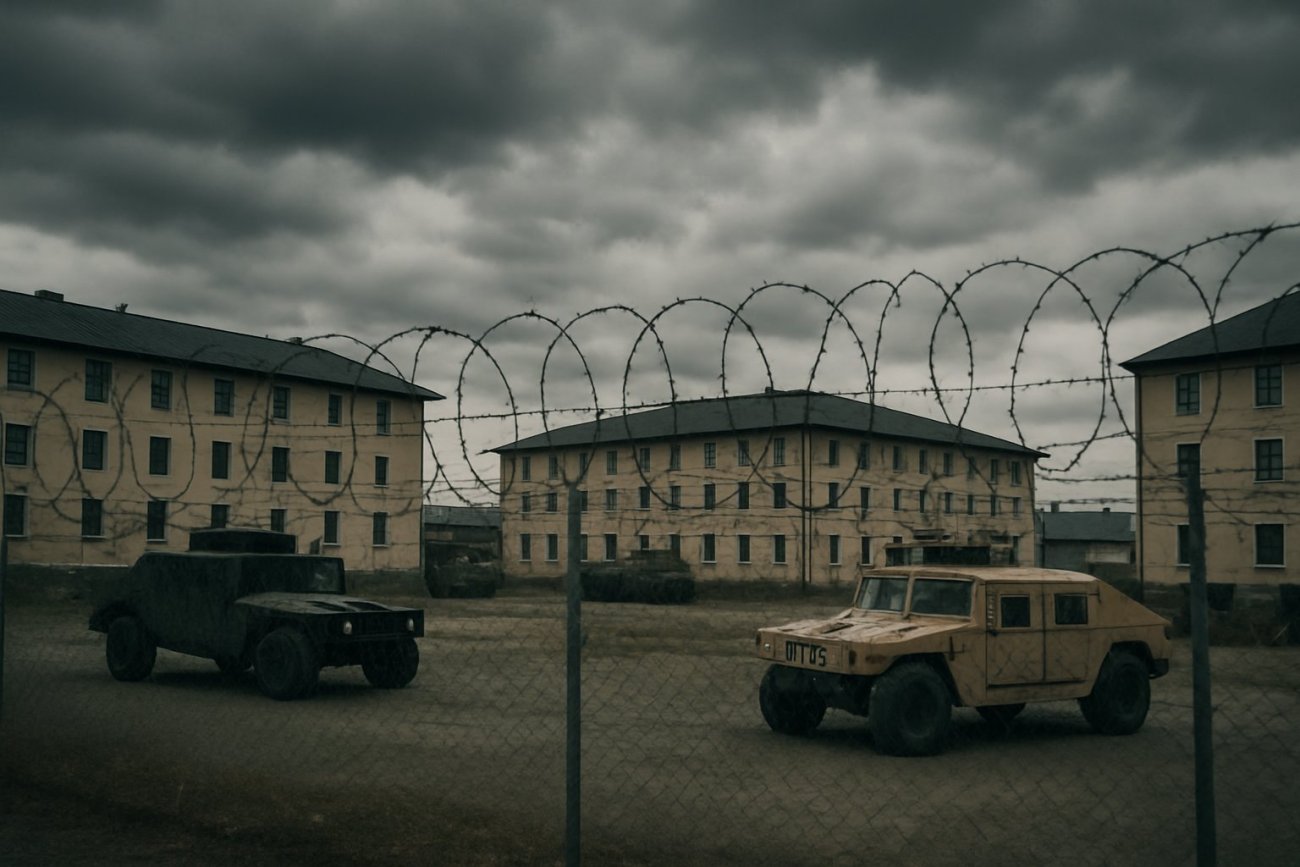
Dozens of soldiers have been arrested following an apparent coup attempt in Niger’s capital, Niamey. The situation has raised significant concerns regarding stability in the region, which has faced a series of political upheavals in recent years.
The arrests reportedly occurred after military personnel attempted to seize control of key government facilities. While details remain sparse, local sources indicate that the coup attempt was thwarted by loyalist forces. The government has not yet released an official statement detailing the events or the number of soldiers involved.
Niger, a landlocked country in West Africa, has been grappling with insecurity and political instability, particularly from jihadist groups operating in the Sahel region. The recent coup attempt underscores the fragile political climate in Niger, which has experienced multiple coups since gaining independence from France in 1960. The most recent military coup took place in 2010, leading to a transitional government.
The implications of this coup attempt could resonate beyond Niger’s borders, particularly for neighboring countries that have also faced similar challenges. The Economic Community of West African States (ECOWAS), which has been actively involved in promoting democratic governance in the region, may take a keen interest in the developments in Niger. Any instability in Niger could potentially lead to a spillover effect, impacting the security situation in the wider Sahel region.
For the Kenyan diaspora, the events in Niger serve as a reminder of the ongoing political challenges faced by many African nations. As Kenyans abroad keep a close eye on developments in the region, the situation in Niger may prompt discussions about governance, security, and the role of military forces in politics across Africa.
The international community is likely to monitor the situation closely, with calls for restraint and dialogue expected from various global leaders and organizations. The potential for escalation remains a concern, particularly if the arrested soldiers are not treated with due process, which could lead to further unrest.
As the situation unfolds, it will be crucial for Niger's government to address the underlying issues that led to the coup attempt, including grievances within the military and public dissatisfaction with governance. The response from the government and the military will be closely scrutinized, as it could set a precedent for how future political dissent is handled in the country.
In light of these developments, the Kenyan diaspora may reflect on the importance of democratic institutions and the rule of law in maintaining stability and peace within their own country. The events in Niger could serve as a cautionary tale regarding the risks of military intervention in politics and the potential consequences for civilian governance.






Comments
No comments yet — be the first.