
Kenya's Cotton Leftovers Are Finding New Value
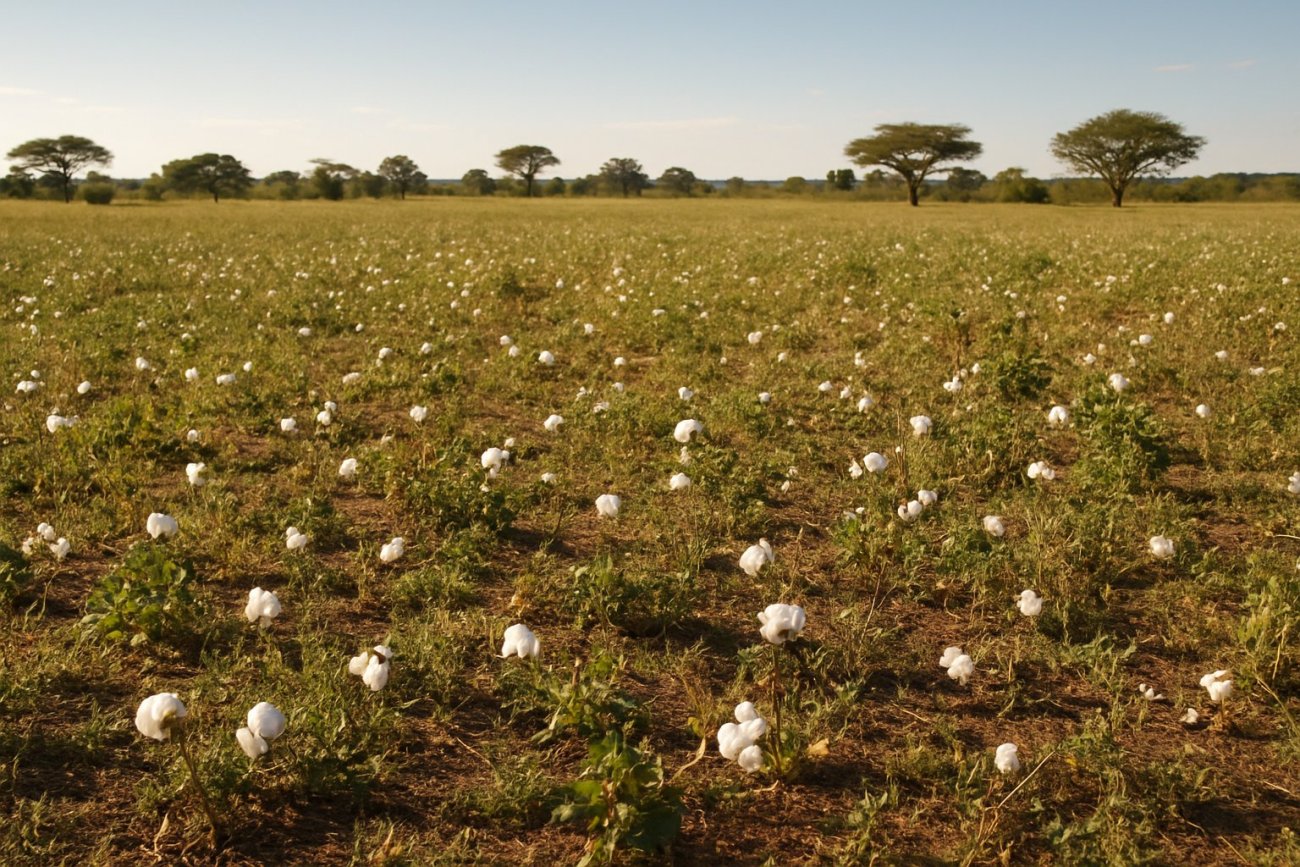
In a move that could reshape the economic landscape for numerous Kenyan farmers and entrepreneurs, discarded cotton stalks, gin waste, and textile offcuts are being repurposed into economically viable products. This emerging sector is not only offering a new revenue stream for farmers but is also fostering the growth of women-led enterprises in Kenya.
The innovative recycling of cotton byproducts into items such as briquettes, household textiles, and mattress fillings demonstrates a practical approach to resource utilization. Briquettes, an alternative energy source, are gaining popularity in regions where traditional cooking fuels are either expensive or environmentally unsustainable. This innovation is particularly significant in rural areas, where reliable energy sources are not uniformly available.
Textile offcuts and gin waste are being creatively utilized to produce household textiles and fillings for mattresses, offering an eco-friendly solution to waste management challenges faced by the textile industry. This development not only reduces environmental pollution but also provides new economic opportunities, particularly for women who dominate the informal sector in Kenya.
As this burgeoning industry gains momentum, it presents a model for sustainable development and economic empowerment that could be emulated by other developing countries. The initiative has the potential to create numerous jobs, contributing positively to the social and economic fabric of the Kenyan society.
Kenya's cotton industry, historically reliant on traditional practices, is now witnessing a transformation driven by entrepreneurship and innovation. This shift is strengthening the local economy, particularly for smallholder farmers who can now generate additional income from what was previously considered waste.
With the global focus increasingly turning towards sustainable practices, the repurposing of cotton waste in Kenya is a pertinent example of how developing nations can harness local resources to build sustainable economies. As this industry continues to develop, it will be crucial for stakeholders to ensure that the benefits are equitably distributed and that the environmental impact is minimized.
Moving forward, the Kenyan government, industry stakeholders, and international partners will need to collaborate to scale this initiative, providing support through policy frameworks, investment in technology, and capacity-building programs. The success of this initiative could serve as an inspiration for other nations in Africa and beyond, showcasing the potential of innovation in transforming traditional industries.






Comments
No comments yet — be the first.