
KWS Plans to Relocate 50 Crocodiles Amid Rising Attacks at Lake Baringo
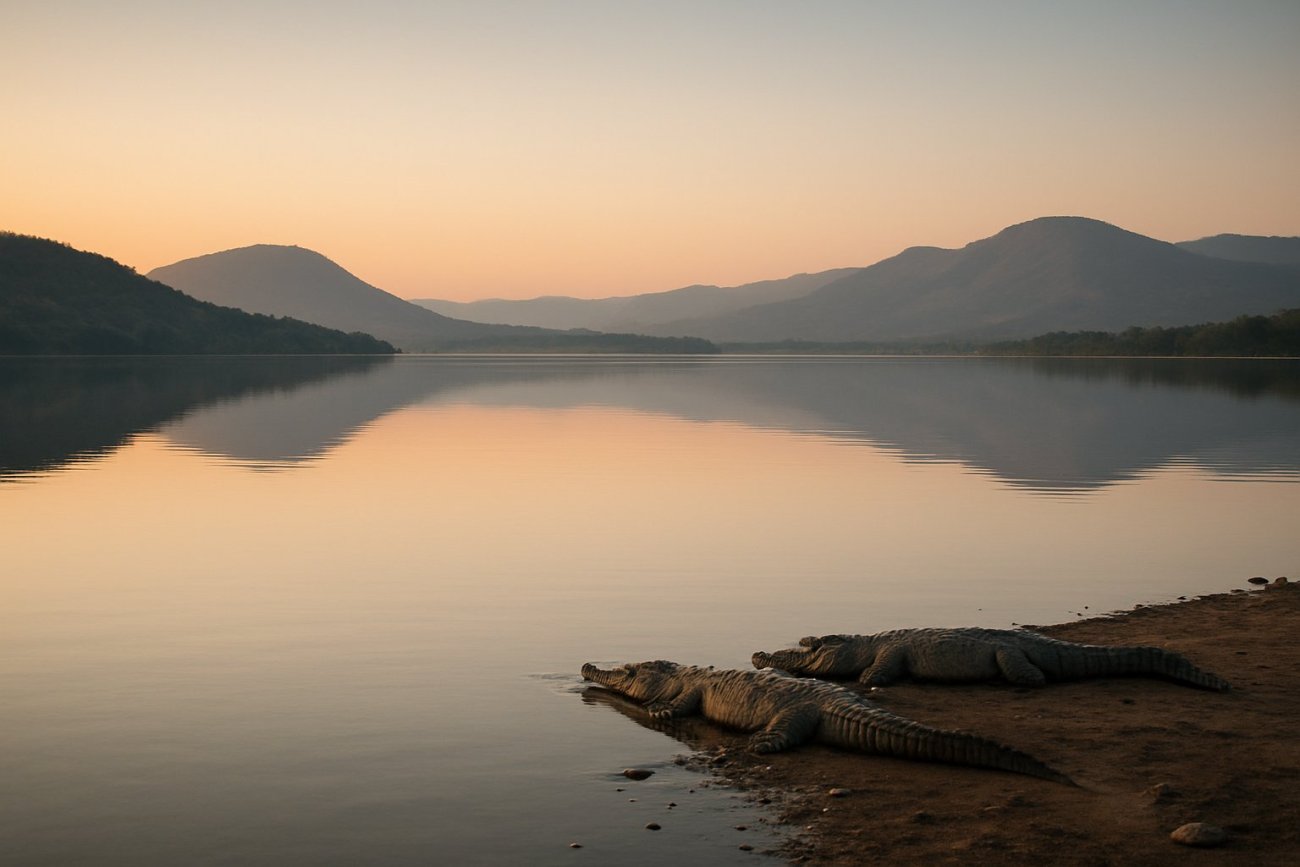
The Kenya Wildlife Service (KWS) has announced plans to relocate 50 crocodiles identified as ‘rogue’ following an increase in attacks around Lake Baringo. The decision comes in response to growing concerns over public safety as reports of crocodile-related incidents escalate in the region.
Lake Baringo, located in the Baringo County of Kenya, has become a hotspot for crocodile attacks, prompting the KWS to take action to address the wildlife management issue. The KWS aims to mitigate the risks associated with these reptiles, which have been involved in multiple incidents that threaten the safety of residents and visitors alike.
The move to relocate the crocodiles is part of a broader wildlife management strategy designed to ensure that both human populations and wildlife can coexist safely. Experts from KWS are assessing the best methods for the relocation process to ensure minimal disruption to the crocodiles while prioritizing public safety.
As the situation evolves, the KWS is expected to implement measures that will not only focus on the relocation of these crocodiles but also enhance monitoring and control of wildlife in the area. This initiative highlights the ongoing challenges faced by wildlife authorities in balancing conservation efforts with the need to protect communities from dangerous wildlife encounters.






Comments
No comments yet — be the first.