
Kenya's Crackdown on Foreign Traders Sparks Xenophobia Concerns
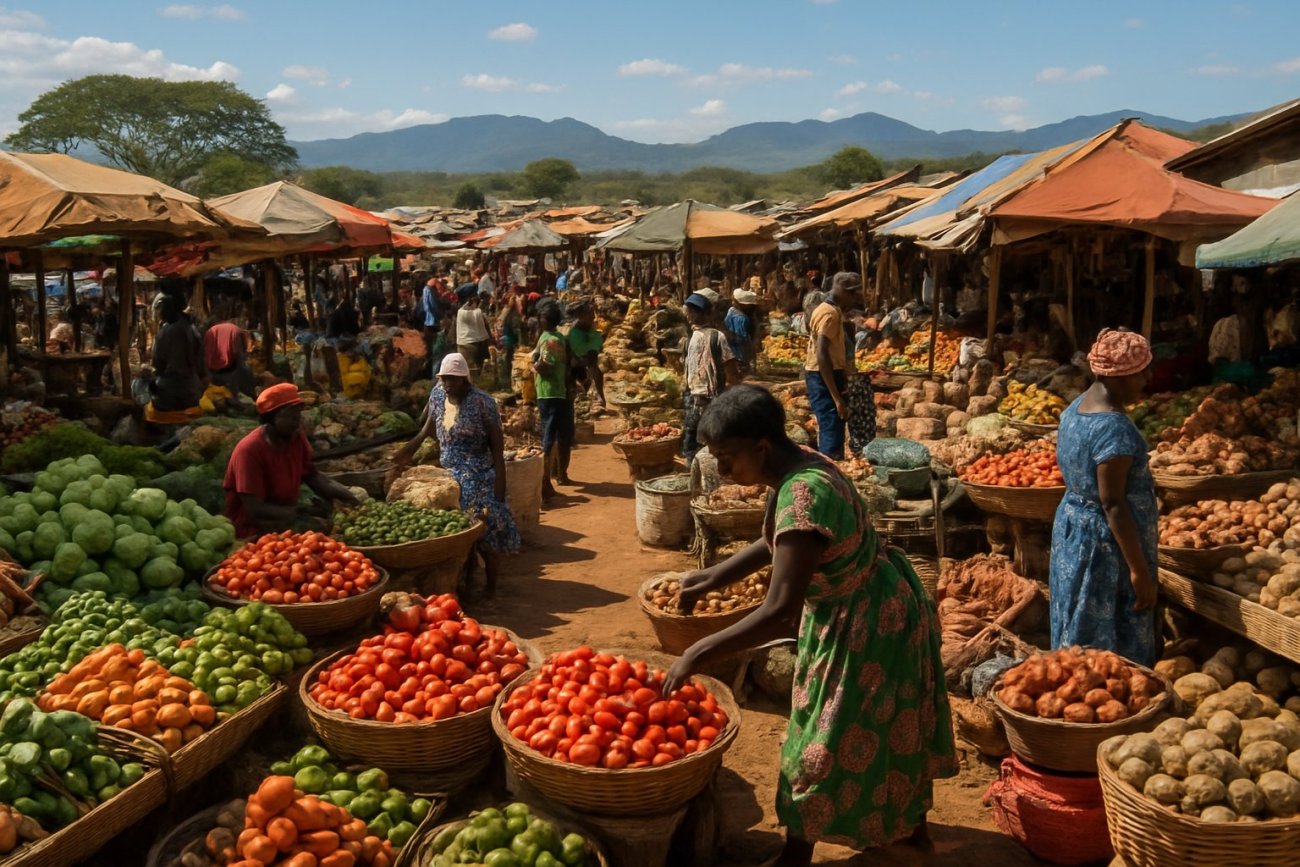
In a move that has stirred fears of xenophobia, Kenyan President William Ruto has ordered a crackdown on foreign nationals working as street hawkers. The directive, aimed at regulating the informal trade sector, has raised concerns among human rights groups and local communities about its impact on legally documented foreign traders. The Kenyan government, however, insists that such individuals will remain protected under the law.
The crackdown, initiated in Nairobi and extending to other urban centers, seeks to address what authorities describe as an influx of undocumented traders competing with local businesses. The operation has been a point of contention as it draws parallels to previous xenophobic incidents in Africa, where economic hardships have sometimes fueled anti-foreigner sentiments.
Ruto's administration maintains that the initiative is part of broader efforts to curb illegal trade and bolster the country's economic structure. Still, critics argue that it risks exacerbating social tensions by targeting foreign workers, many of whom have contributed to the local economy for years. With Kenya hosting a considerable number of immigrants from neighboring countries such as Uganda, Tanzania, and South Sudan, the socio-economic implications of such a crackdown could extend beyond its borders.
This development comes at a time when Kenya is under the international spotlight for its approach to foreign nationals. The country, a regional hub for trade and commerce, hosts a diverse community of expatriates who play significant roles in various sectors. The government's stance on non-citizen traders, therefore, sends a significant message to potential investors and neighboring states about Kenya's immigration and trade policies.
Legal experts and immigration advocates are calling for a balanced approach that ensures fair treatment for all traders, regardless of their nationality. They emphasize the importance of distinguishing between those who are undocumented and those who hold valid documentation to work and live in Kenya. As the situation unfolds, stakeholders are urging the government to engage with immigrant communities to mitigate possible escalations of hostility.
The crackdown on foreign hawkers is set against a backdrop of rising economic challenges within the region. As developing nations across Africa grapple with issues of unemployment and poverty, the pressure on local governments to safeguard employment opportunities for their citizens is increasing. This has often led to policies that inadvertently marginalize foreign workers.
Monitoring the impact of Kenya's current measures will be crucial in understanding the balance between regulatory enforcement and the preservation of multicultural harmony within the country's urban landscapes. As the international community watches closely, the outcome may also influence similar policies in other African nations grappling with the complexities of immigration and trade dynamics.






Comments
No comments yet — be the first.