
Kenya: 1 in 10 Kenyan Learners Had Schooling Disrupted By Climate Hazards in 2025 - Unicef
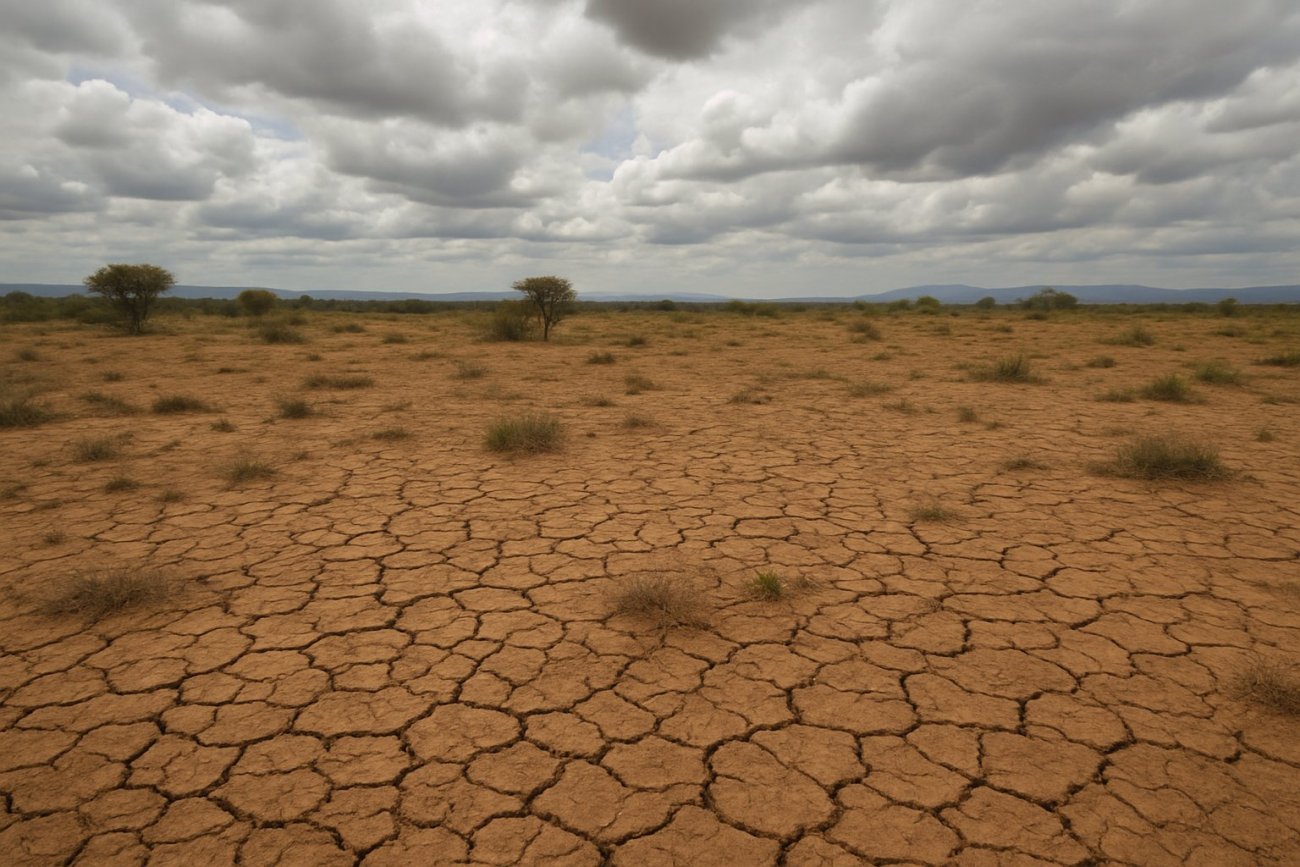
In 2025, an estimated 1.9 million Kenyan students faced interruptions in their education due to climate-related challenges, according to a recent report by UNICEF. These disruptions were primarily caused by droughts, which have emerged as the major hazard affecting the country's educational landscape. The findings highlight the vulnerability of educational infrastructure to climate change and underscore the urgent need for adaptive strategies in regions prone to environmental adversities.
The report, released on Thursday, sheds light on the broader impact of climate change on education systems in developing nations. Kenya, like many other countries in Africa, faces increasing difficulties in maintaining educational continuity amid severe weather patterns. The disruptions not only affect students' academic progress but also pose challenges for teachers and educational administrators in ensuring the delivery of consistent instruction.
Globally, climate change continues to exacerbate existing socio-economic inequalities, disproportionately affecting countries with fewer resources to mitigate these impacts. In the context of education, children in rural and impoverished areas are often the hardest hit, as they rely heavily on local infrastructure that can be easily compromised by environmental shifts.
As the effects of climate change intensify, there is a growing call for international cooperation in bolstering educational resilience. This involves investing in infrastructure that can withstand adverse weather conditions, developing curriculum that includes awareness of climate issues, and creating emergency plans to minimize educational disruptions.
While the situation in Kenya highlights a pressing need for solutions, it also reflects a broader challenge faced by many developing nations. Addressing these issues requires a concerted effort from governments, international organizations, and local communities to ensure that the next generation receives an uninterrupted and quality education, irrespective of environmental challenges. The UNICEF report serves as a timely reminder of the importance of integrating climate resilience into educational planning and policy.






Comments
No comments yet — be the first.