
Fuel Prices Rise As Shortages Deepen Across Sudan
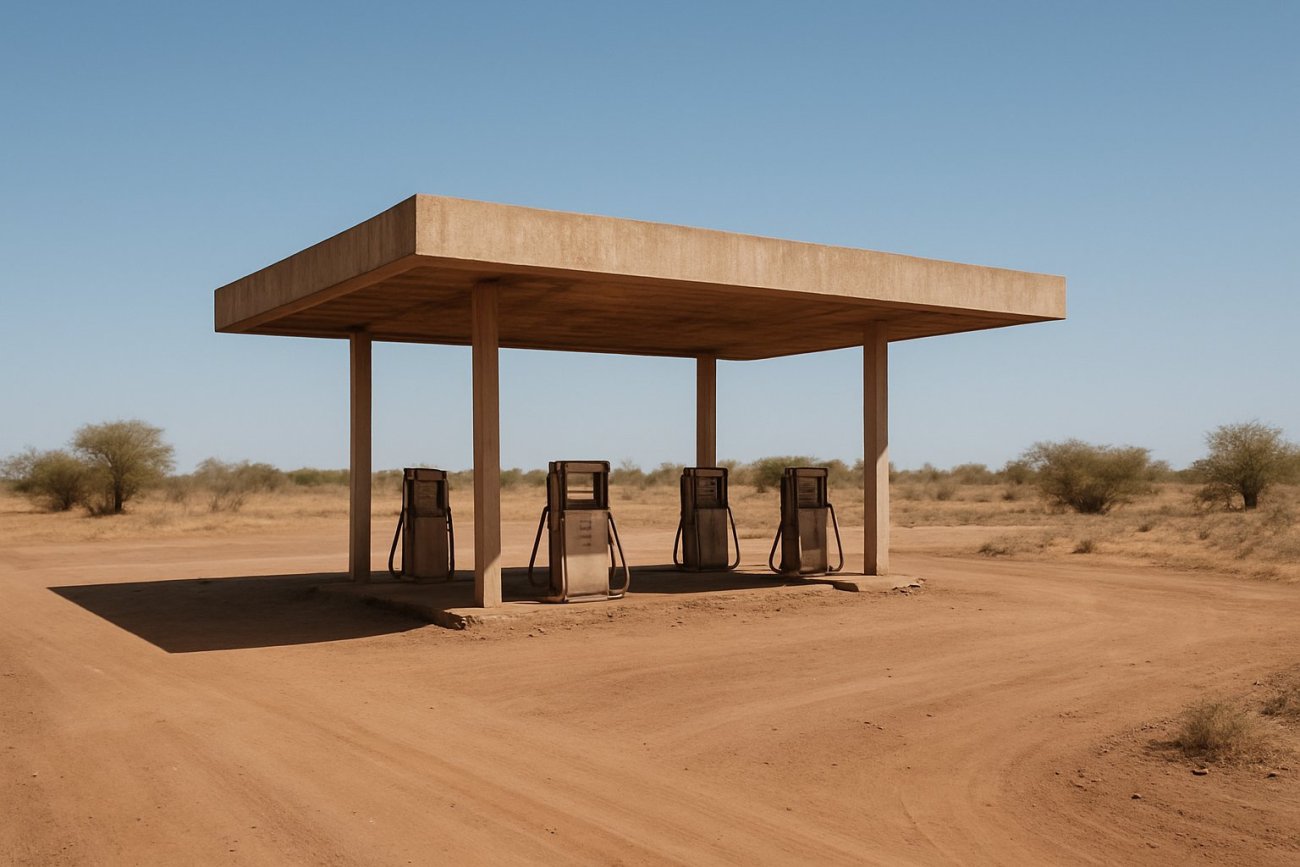
Fuel prices in Sudan have surged as shortages and long queues reemerge in the capital city, Khartoum, and several other states. This development adds to the mounting pressure on households already grappling with the soaring cost of food and a depreciating currency. The economic strain has been exacerbated by the country's ongoing challenges, including political instability and conflict.
The capital, Khartoum, has witnessed a return of long queues at petrol stations, a sight not unfamiliar to the Sudanese populace. The rising fuel prices are a direct consequence of supply disruptions, a common occurrence in Sudan's volatile economic landscape. Coupled with a weaker Sudanese pound, these factors have intensified the economic hardships faced by ordinary citizens.
Fuel shortages in Sudan have far-reaching implications, particularly for transportation and agriculture, both critical sectors for the country's economy. The increased cost of fuel is likely to lead to higher transportation costs and, consequently, a rise in prices of goods and services. This situation could pose significant challenges for Sudan, where the majority of the population already lives in poverty.
Sudan's economic woes have been compounded by political turmoil and civil unrest, which have disrupted production and distribution channels. The current fuel crisis is part of a broader economic struggle as the country attempts to stabilize following decades of conflict and economic mismanagement.
The international community has shown concern over Sudan's economic challenges, with various efforts to provide support and aid. However, the effectiveness of these measures is often hampered by the country's political instability and governance issues.
For developing nations like Sudan, the interplay between political stability and economic prosperity is crucial. The current crisis underscores the need for comprehensive reforms that address both the economic and political dimensions of Sudan's challenges. Observers point out that without significant changes, Sudan may continue to face cycles of economic hardship and instability.






Comments
No comments yet — be the first.