
Niger mutiny exposes growing reliance on Russia
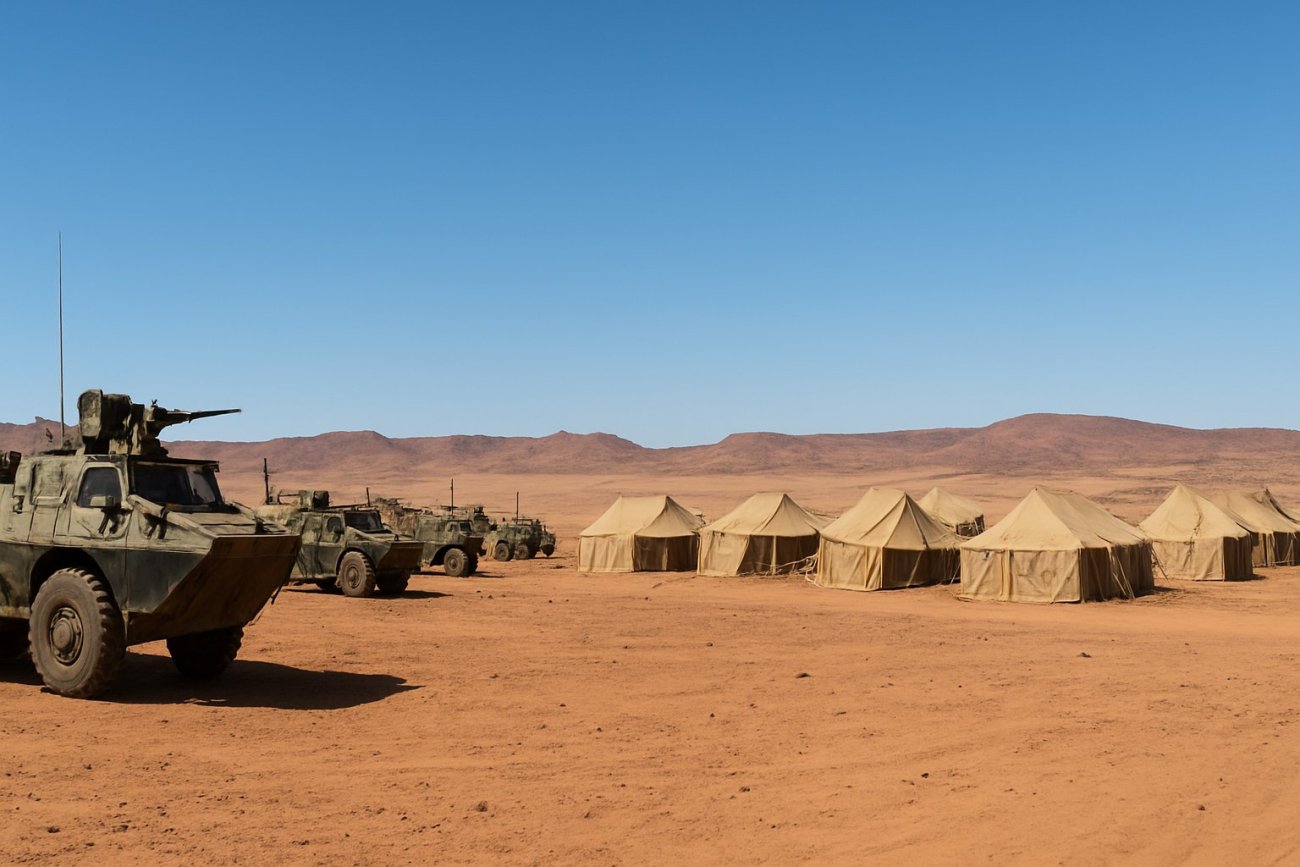
An attempted mutiny in Niger has drawn attention to the country's increasing reliance on Russia, highlighting internal discontent within the military and straining its relations with neighboring states in the Sahel region. The unrest, centered in the capital, Niamey, has laid bare underlying grievances among the armed forces, an institution that has been pivotal in maintaining order in a country beset by security challenges.
The failed power grab comes at a time when Niger is grappling with multiple internal and external pressures. The Sahel region, where Niger is located, has been a hotspot for insurgent activities, with militant groups operating across borders, exploiting the porous frontiers and insufficient state presence. In this challenging context, Niger's pivot towards Russian support is raising eyebrows among its traditional Western allies, particularly as the country has been a significant recipient of Western military aid in efforts to combat terrorism.
Russia's engagement in Africa, marked by military support, economic agreements, and political cooperation, has been expanding, with Niger being one of the latest countries to experience this influence. This relationship is perceived as part of a broader Russian strategy to extend its geopolitical influence in Africa, especially in nations experiencing instability or dissatisfaction with Western partnerships.
The mutiny underscores the fragility of Niger's political landscape, where the military's dissatisfaction can quickly escalate into significant threats to government stability. As Niger navigates these turbulent waters, the implications for the region cannot be understated. An unstable Niger could further destabilize the Sahel, complicating multinational efforts to curb terrorism and enforce governance.
Observers note that the growing Russian influence in Niger and similar states could alter the geopolitical dynamics in Africa, challenging the influence of traditional powers and potentially impacting the strategic calculations of neighboring countries. The situation in Niger serves as a poignant reminder of the complex interplay of local grievances, international alliances, and competitive global interests shaping the African continent's future.






Comments
No comments yet — be the first.