
Global Warming Will Breach the 1.5 Degree Celsius Limit. Now What?
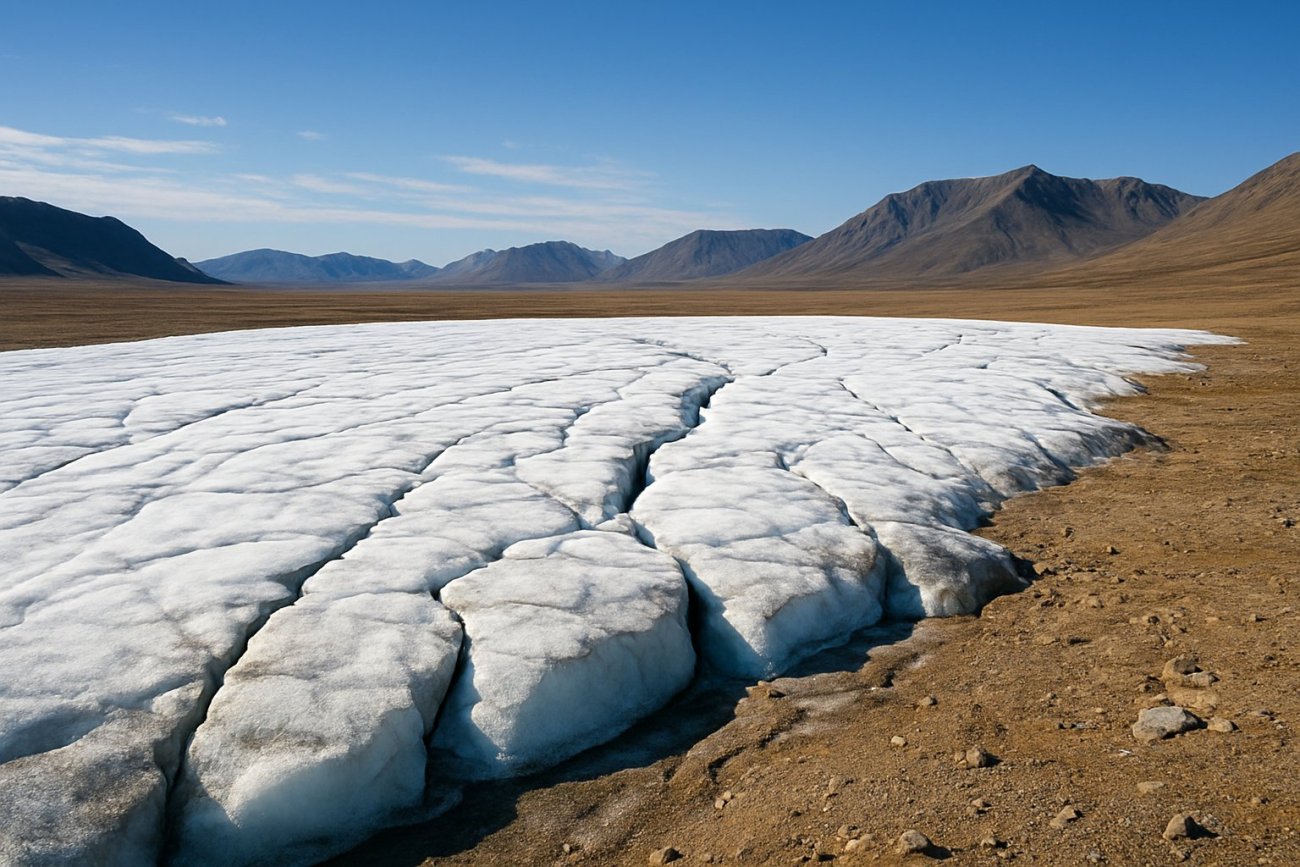
As global temperatures rise beyond the 1.5 degrees Celsius limit set by the Paris Agreement, countries worldwide face the urgent challenge of adapting to an increasingly volatile climate. This significant milestone is a stern reminder of the pressing need for international cooperation and immediate action to mitigate the severe impacts of climate change.
The Paris Agreement, adopted in 2015, aimed to keep global temperature increases well below 2 degrees Celsius above pre-industrial levels, with an aspirational target of 1.5 degrees. However, recent findings indicate that this critical threshold will be exceeded, posing serious threats to vulnerable nations. Small island nations and developing countries, which advocated strongly for the 1.5-degree target, are among those most at risk from rising sea levels, extreme weather events, and food insecurity.
The ramifications of breaching this limit are profound, with scientists warning of more severe and frequent heatwaves, droughts, and floods. These events could lead to widespread displacement and exacerbate existing socio-economic inequalities, particularly in regions with limited resources to adapt and respond effectively.
The international community is now tasked with redoubling efforts to reduce greenhouse gas emissions and accelerate the transition to renewable energy sources. Investments in sustainable infrastructure, reforestation projects, and resilient agriculture practices are crucial to curbing the impacts of climate change and safeguarding the livelihoods of millions.
Developing nations, including many in Africa, will require substantial financial and technical assistance to implement effective adaptation measures. The fulfillment of financial commitments by developed countries, such as the $100 billion annual climate finance pledge, remains a pivotal aspect of global climate negotiations.
As temperatures continue to rise, the urgency for comprehensive policy responses has never been greater. Global leaders must make bold decisions to avert the worst consequences of climate change and work towards a sustainable future for all.






Comments
No comments yet — be the first.