
Tragedy Strikes as Man Drowns in Sewage Trench along Haile Selassie Avenue in Nairobi
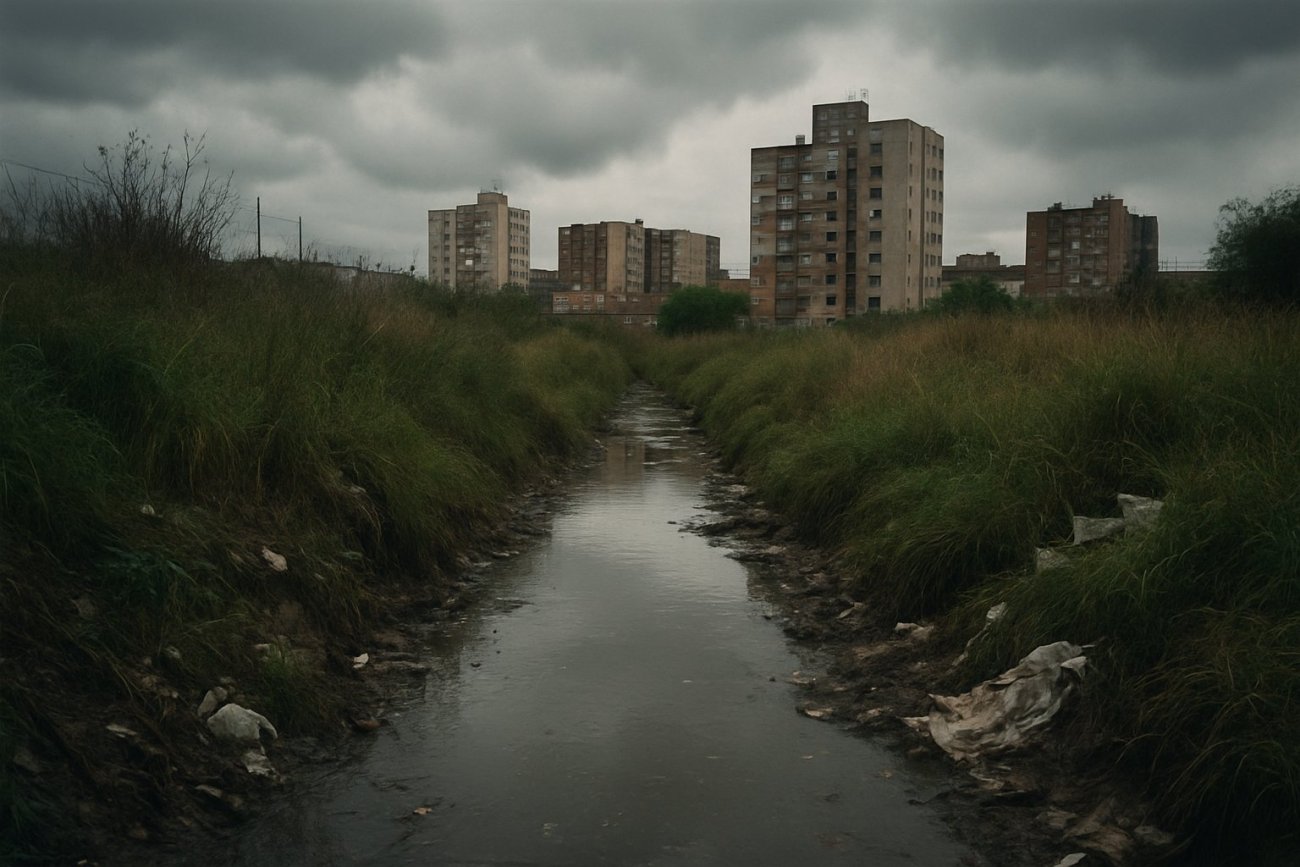
A tragic incident occurred along Haile Selassie Avenue in Nairobi, Kenya, where a man drowned in a sewage trench. The shocking event has drawn attention to ongoing concerns regarding public safety and infrastructure in the city.
Details surrounding the incident remain scarce, with no further information provided about the circumstances leading to the drowning. Eyewitness accounts and reports from local media indicate that the trench, which is part of the city's drainage system, was filled with sewage water, posing a significant hazard to pedestrians and motorists alike.
The incident highlights a pressing issue in Nairobi, where inadequate infrastructure and poorly maintained public facilities have become a source of frustration for residents. Sewage overflow and blocked drainage systems are common complaints among locals, raising questions about the city’s management of waste and drainage.
In recent years, Nairobi has faced numerous challenges related to urban planning and public health. The city's rapid population growth has outpaced the development of essential services, leading to overcrowded neighborhoods and strained resources. Such tragedies as the drowning incident serve as stark reminders of the urgent need for improved infrastructure and public safety measures.
The implications of this tragedy extend beyond the immediate community, resonating with Kenyans both at home and abroad who are concerned about the state of public services in their country. Many citizens have taken to social media to express their outrage and demand accountability from local authorities.
Calls for action are growing louder, with many advocating for a comprehensive review of Nairobi's drainage and sewage systems. Activists argue that the government must prioritize investments in infrastructure to prevent future accidents and protect the lives of residents.
This incident, while tragic, serves as a critical point of reflection for policymakers and city planners. As Nairobi continues to develop, the need for sustainable urban solutions becomes increasingly important to ensure the safety and well-being of its inhabitants.






Comments
No comments yet — be the first.