
New Trump Public Charge Rule Threatens Green Card Eligibility for Thousands in Kern County
Thousands of immigrants in Kern County, California, are facing uncertainty regarding their eligibility for green cards due to a new public charge rule implemented under the administration of U.S. President Donald Trump. This rule, which affects the path to permanent residency, could have significant implications for many immigrants, including members of the African diaspora in the region.
The public charge rule, which took effect recently, permits immigration officials to deny green card applications if the applicant is deemed likely to become a public charge, meaning they might rely on public benefits such as food stamps or Medicaid. This policy change is part of a broader effort by the Trump administration to tighten immigration controls and prioritize self-sufficiency among immigrants.
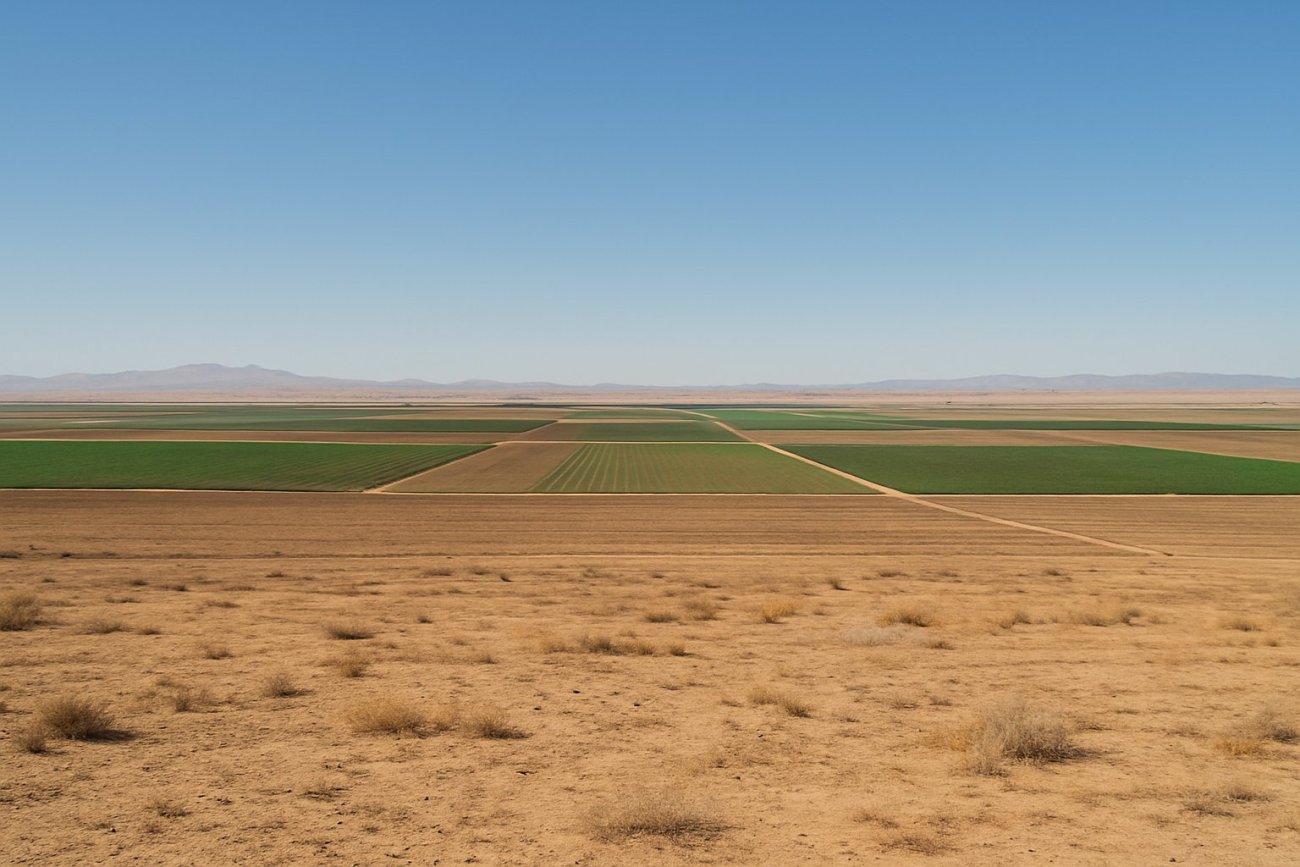
Kern County, known for its diverse immigrant population, is home to thousands who could potentially be impacted by this rule. Many within the community rely on public assistance programs to supplement their income, making them vulnerable under the new regulations. The rule applies to immigrants seeking to adjust their status to become lawful permanent residents, a process that has traditionally been a pathway to integration and stability for many families.
The policy has drawn criticism from immigrant advocacy groups and local officials, who argue that it unfairly targets low-income immigrants and could deter individuals from seeking necessary public health services. They contend that the rule will lead to increased fear and uncertainty within immigrant communities, potentially exacerbating socioeconomic disparities.
While the U.S. Department of Homeland Security, led by Secretary Kristi Noem, asserts that the rule is intended to ensure that immigrants can sustain themselves without government aid, opponents argue that it contradicts the nation’s historical values of welcoming immigrants from all backgrounds.
This development is particularly concerning for African immigrants, including Kenyans, who form a significant part of the diaspora in the United States. Many in this community could find their green card applications jeopardized if they have previously accessed public benefits or are seen as likely to do so in the future.
The rule is part of a series of immigration policy changes under President Trump's administration, which have included measures to reduce legal immigration and enhance border security. As the rule takes effect, immigrants in Kern County and across the nation are urged to seek legal advice to understand how the new regulations may affect their path to permanent residency.






Comments
No comments yet — be the first.