
At U.N., Trump Says He Will Strike a Deal With Iran or ‘Annihilate’ It
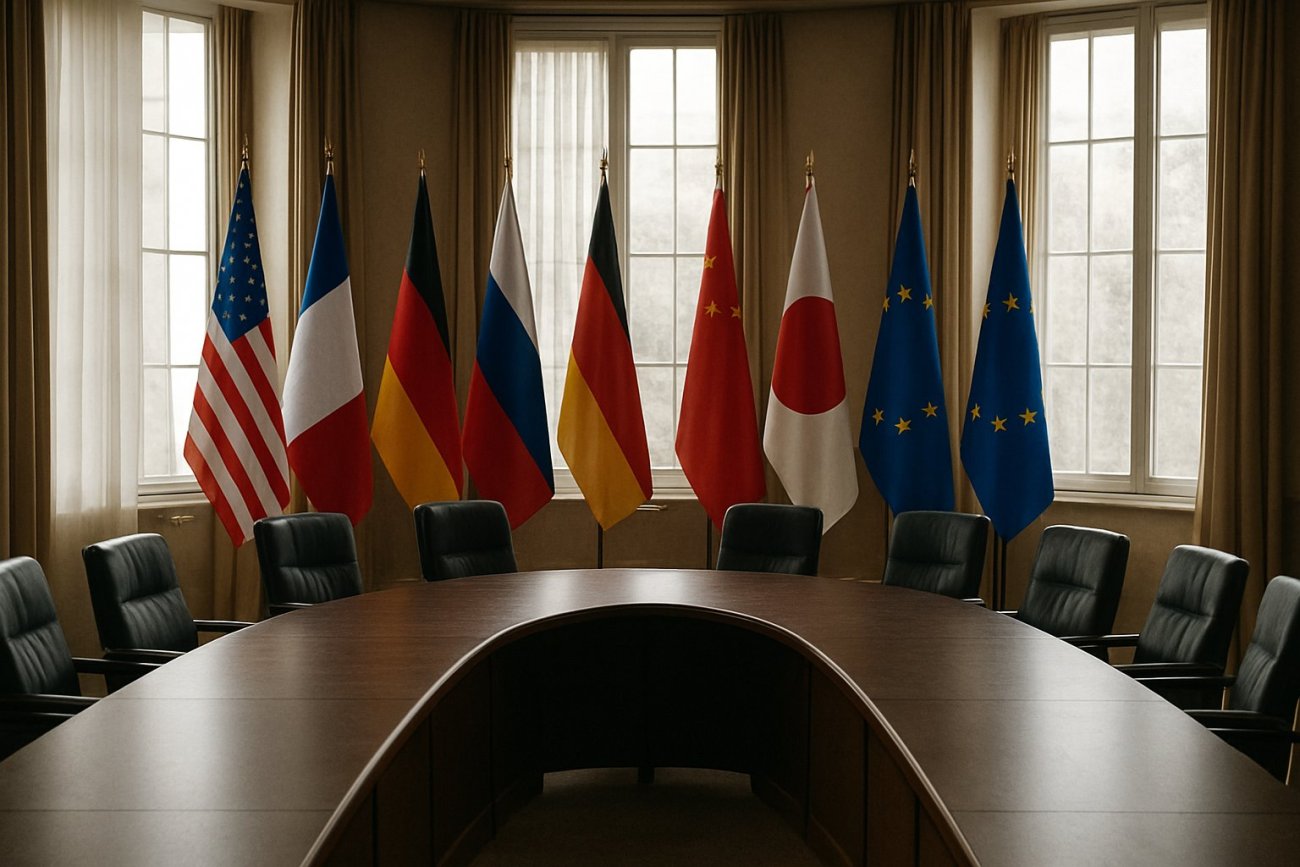
In a striking address to the United Nations General Assembly, President Donald Trump asserted a stark ultimatum to Iran, declaring his willingness to "drive them into hell with no chance of survival" if a diplomatic solution cannot be reached. This pronouncement marks a significant deviation from the commonly conciliatory tone expected at an international forum dedicated to fostering world peace and cooperation. Delivered on September 22, 2026, in New York City, Trump's remarks underscore a potential pivot in the United States' approach towards Iran under his administration.
The statement comes amid prolonged tensions between the U.S. and Iran, with the latter's nuclear ambitions and regional influence being sources of significant geopolitical concern. Since Trump's re-election in 2025, his administration has taken a hardline stance on nuclear proliferation issues, heightening global apprehension about potential military confrontations. The President's rhetoric suggests an intensified U.S. stance, raising fears of escalation in a region already fraught with instability.
While Trump's address focused primarily on Iran, its implications reverberate far beyond the Middle East, potentially affecting global markets and diplomatic relations. The possibility of armed conflict could disrupt oil production and supply chains, impacting economies worldwide, particularly in developing nations heavily reliant on stable energy prices. African nations, many of which depend on foreign oil, may face economic challenges if tensions lead to fluctuations in global oil prices.
Observers note that Trump's ultimatum could further isolate Iran, pushing it closer to alliances with other non-Western powers. The President's approach may strain U.S. relations with countries advocating for diplomatic engagement over military threats, potentially complicating international consensus on dealing with Iran.
The international community is watching closely for Iran's response, which could define the next phase of its relationship with the United States. As diplomatic efforts continue, stakeholders remain hopeful for a peaceful resolution to avoid the severe consequences of military conflict. The situation remains fluid, with potential ripple effects on global diplomacy and economics, particularly in regions reliant on stability for growth and development.






Comments
No comments yet — be the first.