
U.N. Live Updates: Abbas Criticizes Israeli Attacks and Failure of Gaza Peace Plan
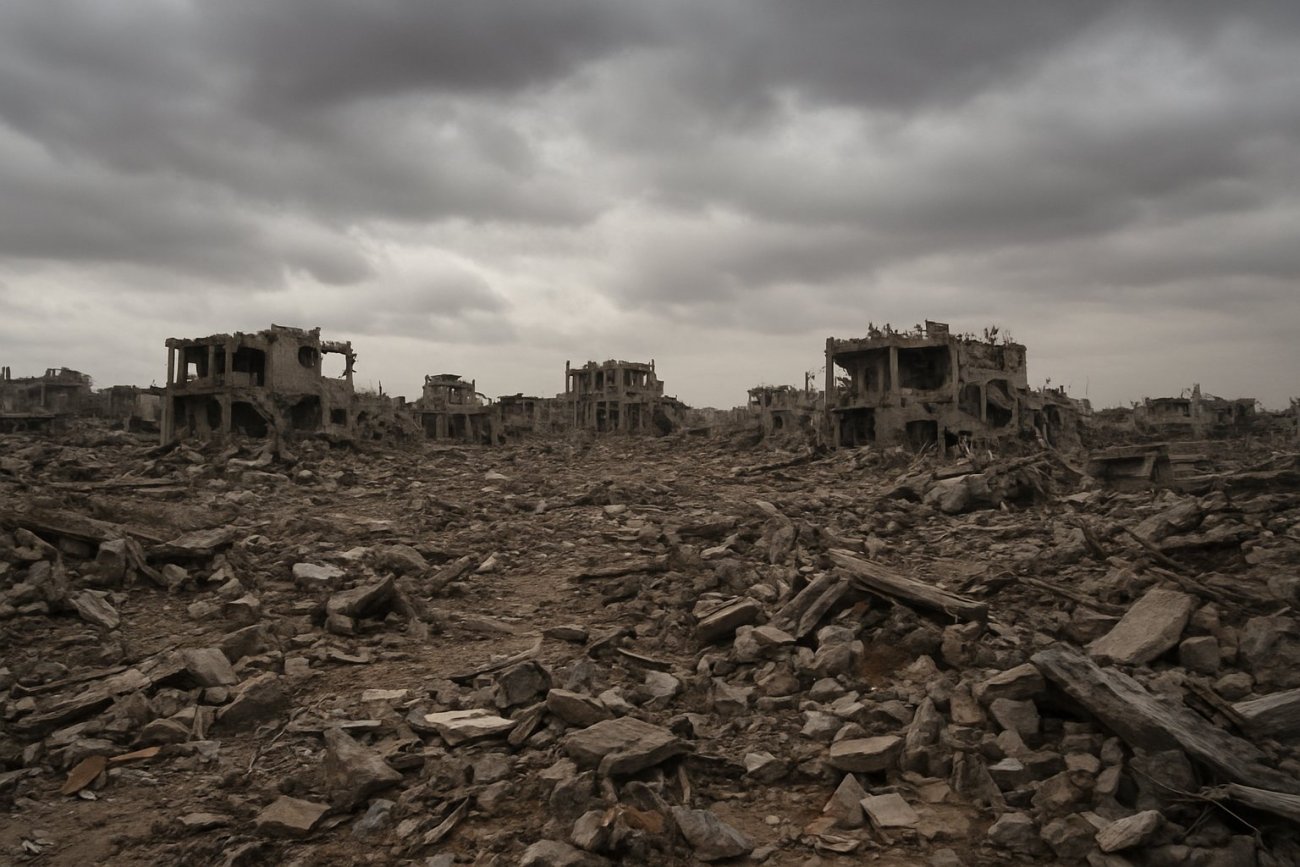
At the United Nations, Palestinian President Mahmoud Abbas delivered a scathing critique of Israeli actions in the West Bank, labeling them as settler violence and condemning the ongoing aggression. This statement comes amid elevated tensions and unsettling violence in the region, with Abbas asserting, “We will not leave our homeland.” His remarks reflect deep frustration with the faltering peace initiatives in Gaza, highlighting the persistent struggle for sovereignty and peace.
The UN platform served as a stage for Abbas to voice grievances over the inadequate progress of the Gaza peace plan, a comprehensive initiative designed to facilitate lasting peace in the region. These comments arrive at a critical juncture as Israeli Prime Minister Benjamin Netanyahu prepares to address the assembly later today. Netanyahu’s upcoming speech anticipates being a pivotal moment, especially as it precedes significant elections in Israel. The political climate in Israel remains tense, with the election outcomes potentially shaping the future of peace negotiations.
The West Bank, marked by its volatile history and contentious settlements, continues to be a flashpoint in Israeli-Palestinian relations. Abbas’s remarks underscore the Palestinian leadership's discontent with the status quo, as they seek renewed international support to counter what they perceive as unilateral and aggressive actions by Israeli settlers.
This development is particularly significant for nations across the globe, including those in Africa and other developing regions, as the Middle East conflict often influences international diplomatic and economic relations. The international community, through forums like the United Nations, plays a crucial role in mediating peace efforts, although success has been elusive over the decades.
The global response to Abbas’s address and Netanyahu’s subsequent speech will likely have far-reaching implications, potentially affecting foreign policies and alliances. Observers will be keenly watching the international body's reactions, which could be instrumental in shaping the next steps for peace in the region. As both leaders present their cases, the world awaits to see how these discussions might alter the dynamics of a conflict that has persisted for generations.






Comments
No comments yet — be the first.