
Traditional Swahili Homes Disappearing Amid Mombasa's Urban Development
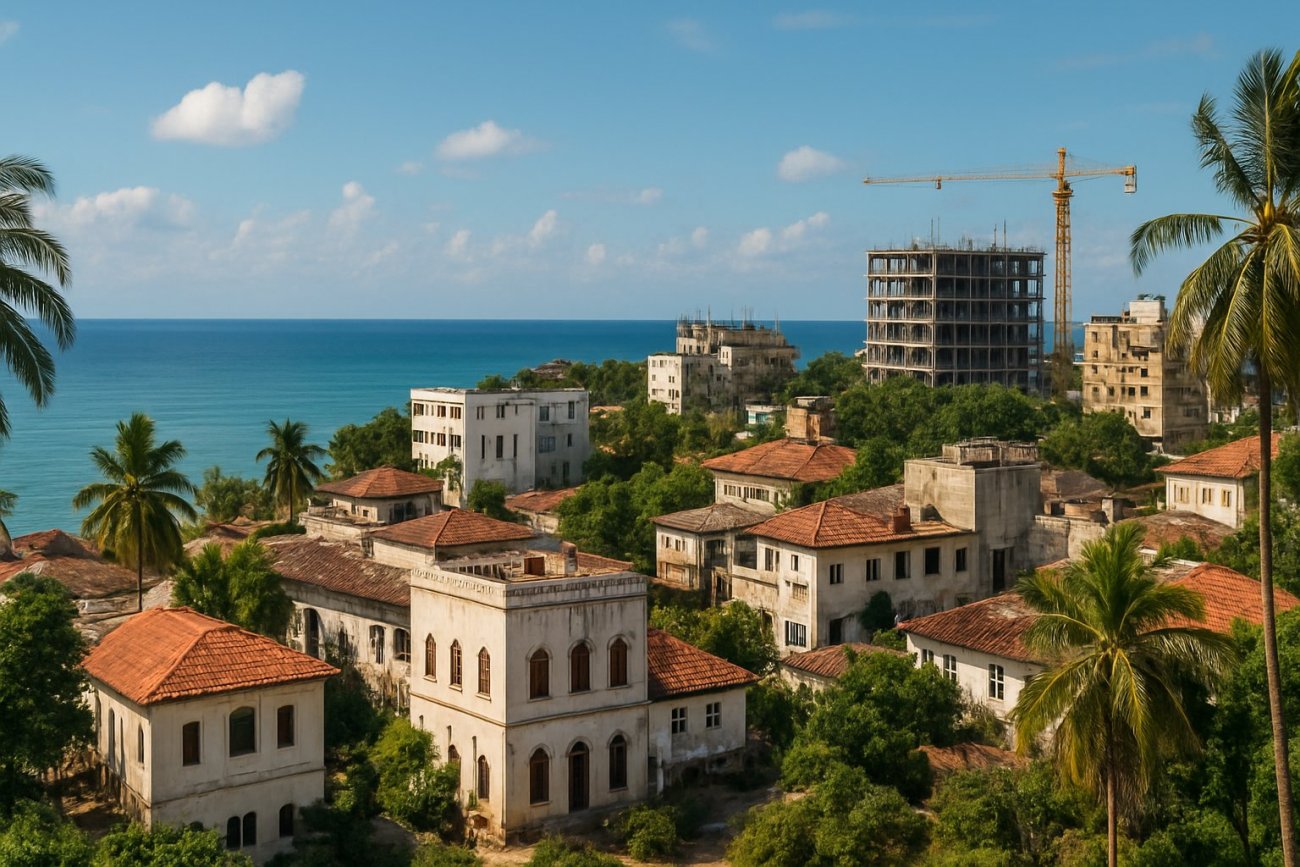
Traditional Swahili homes in Mombasa, Kenya, are increasingly disappearing as high-rise buildings dominate the skyline. This trend reflects a significant cultural shift and raises concerns about urban development in the coastal city.
Mombasa has long been known for its unique architectural heritage, characterized by Swahili-style homes that feature coral stone walls, intricately carved wooden doors, and spacious courtyards. These homes have not only served as residences but also as symbols of the rich cultural history of the Swahili people, who have inhabited the region for centuries.
However, as the demand for modern housing and commercial space grows, many of these traditional structures are being replaced by high-rise developments. The urban landscape is rapidly changing, with developers capitalizing on the need for more housing and business opportunities. This transformation is often seen as a necessary step towards modernization, but it comes at the cost of the city's cultural identity.
The ongoing construction of high-rises poses a threat to the preservation of Mombasa's historical sites and the traditions associated with them. Many residents express concern that the unique architectural features that define the city are being lost forever. The traditional homes, which have stood for generations, are being demolished to make way for new developments that prioritize economic growth over cultural preservation.
As Mombasa continues to grow and evolve, the challenge of balancing urban development with the preservation of cultural heritage remains a pressing issue. Stakeholders in the region are faced with the difficult task of finding ways to accommodate growth while respecting and maintaining the city's historical significance.
This situation resonates with broader urban development concerns seen in cities around the world, where the tension between modernization and heritage preservation is a common theme. The fate of Mombasa's traditional Swahili homes serves as a reminder of the importance of cultural identity in the face of rapid urbanization.





Comments
No comments yet — be the first.