
Pwani Oil Shuts Down Cooking Oil Plant Due to Shortage of US Dollars
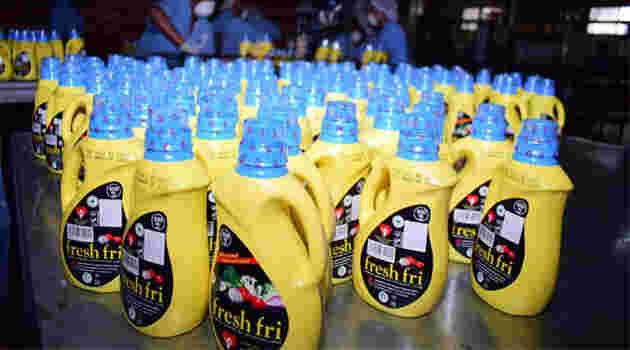
Pwani Oil has temporarily shut down its cooking oil plant due to a shortage of raw materials which it blamed on challenges in accessing dollars to pay suppliers on time.
Pwani Oil Commercial Director Rajul Malde told Business Daily that bankers are only processing half of the dollar requests the company needs to pay suppliers of crude palm oil from Malaysia.
“Getting sufficient amount of dollars required to support the factory in terms of getting sufficient raw materials is not happening. We are not even running the plant right now because of lack of raw materials [crude palm oil],” Malde said.
Pwani, the manufacturer of Fresh Fri, Salit, and Fry Mate cooking oils, said the situation has been further exacerbated by global stiff competition and the increased cost of raw materials in the wake of Indonesia’s ban on palm oil exports.
“We are competing for the same oil with the rest of the world and, therefore, prices are high. Added to that, we can’t pay on time so we don’t get priority in supply,” Malde added.
The development comes barely a week after the Central Bank of Kenya (CBK) dismissed claims of dollar shortages after the Kenya Association of Manufacturers (KAM) said they were experiencing difficulties in accessing US dollars from the market.
CBK Governor Patrick Njoroge indicated that the country’s current Foreign Exchange market remains liquid with US dollar transactions rounding off to Sh233.5 billion ($2 billion) on average each month.
“For a sector importing goods worth between $90 and $100 million monthly, the figure is nowhere near the $2 billion we are putting out there,” Njoroge said.
Kenya is mainly importing vegetable oils such as sunflower oils, soybean, corn oil, and crude palm oil from Malaysia, but there has been a weak production over the last six months in the Asian nation due to floods and labor shortages.
“We are expecting one consignment [of palm oil] in the middle of this month and then after that, there’s no more supply until the end of July. The one that is coming next month is dependent on dollar availability—whether we will be able to pay to release that cargo,” Malde added.






Comments (12)
Diaspora has the dollars. Treat us like WaKenya and we will bring the dollars home.
You'll be Treated like Kenyans when you Donate to Raila's Campaign. Say "MarthaRao" Juu!!!
The crisis is worsening! Regular mwanainchi is going to suffer more due to the highest cost of living ever recorded in Kenya’s history plus inflation!
It does not make sense. Why can't they use local raw materials and they won't need the dollars.
They might be sub-standard.
I do not know the differences in quality of crude palm or the production of cooking oil. However, I do understand that some Western African countries like Nigeria and Ghana grow this plant. I wonder whether there are reasons why local manufacturers cannot buy these product from right within the continent.
Poor planning! As always no one takes responsibility always looking for excuses to hoard and gouge prices!! Greedy, we have surely become.
Corn ..palm..sunflower avocado..twende kazi..traditional food bila mafuta too healthy..high time we start avoiding this chemically produced goods
Turudie mafta ya Kienyeji; Mkia wa Kondo🐑.
First of all, all those highly processed oils mentioned are poisonous. The cause of increased cancer and high blood pressure in the country.
We need to go back to Cowboy and Kimbo and half of the country's health care cost will be wiped out.
They can stay shut. Palm oil is the most inflammation oil and is pretty much shit oil together with sunflower oil.
The so called palm oil is plenty in West Africa. I started using the red palm oil because I had it is good for your health.