
Kenya Lifts Ban on Importation and Cultivation of GMO Crops
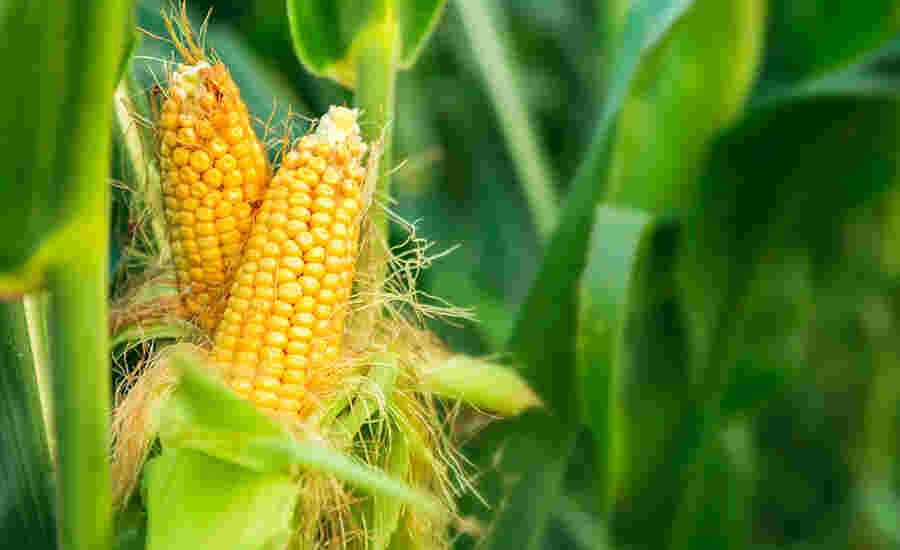
The government has lifted the ban on Genetically Modified Crops (GMO) that has been in existence for 10 years.
The decision to lift the 10-year ban was arrived at during a Cabinet meeting chaired by President Ruto at State House, Nairobi on Monday, which sought to assess progress in the national response to the ongoing drought that has affected 23 counties
This paves the way for the importation and cultivation of genetically modified crops and animal feeds in Kenya following the restriction imposed in 2012 due to concerns about their safety. French scientist Gilles-Éric Seralini claimed GM maize causes tumors in rats, claims which were later discredited by three different European studies.
Monday’s decision was reached in accordance with the recommendation of the Task Force to Review Matters Relating to Genetically Modified Foods and Food Safety, and in fidelity with the guidelines of the National Biosafety Authority on all applicable international treaties including the Cartagena Protocol on Biosafety (CPB), according to a dispatch from the Cabinet.
“…Cabinet vacated its earlier decision of 8th November, 2012 prohibiting the open cultivation of genetically modified crops and the importation of food crops and animal feeds produced through biotechnology innovations; effectively lifting the ban on Genetically Modified Crops. By dint of the executive action open cultivation and importation of White (GMO) Maize is now authorized,” the dispatch stated.
Today’s decision follows a Cabinet decision made in December 2019, regarding the commercialization of Bacillus Thuringiensis (BT) Cotton Hybrids, a genetically enhanced variety of cotton that is resistant against African Bollworm, the most destructive and pervasive pest in cotton framing.
In April, the US government said Kenya’s failure to approve imported genetically modified foods and crops was restricting its exports and aid. The US is the biggest producer of GMO crops in the world.
“Kenya’s GE ban has blocked both US government food aid and agricultural exports derived from agricultural biotechnology,” The US Trade Representative’s office (USTR) said in its annual trade barriers list published in late March.






Comments (5)
Bad move
I Concur. Once these crops cross pollinates with the normal crops, the damage will be irreversible.
Terrible move. What would happen if Kenya manufactured water pumps for irrigation, improved on its own agriculture.
( Self reliance; self reliance ).
Kenya needs permanent, self sustaining solutions not tranqualizing drug of gradualism ( foreign help).
Kenya needs to think for solutions from within not from without.
How does GMO affect the human body?
The results of most studies with GM foods indicate that they may cause some common toxic effects such as hepatic, pancreatic, renal, or reproductive effects and may alter the hematological, biochemical, and immunologic parameters.
Vyakula vilivyo na asili ya GMO
https://youtu.be/fYZYMESqjf0