
KEBS Impounds Faulty Iron Boxes Lacking Essential Safety Features
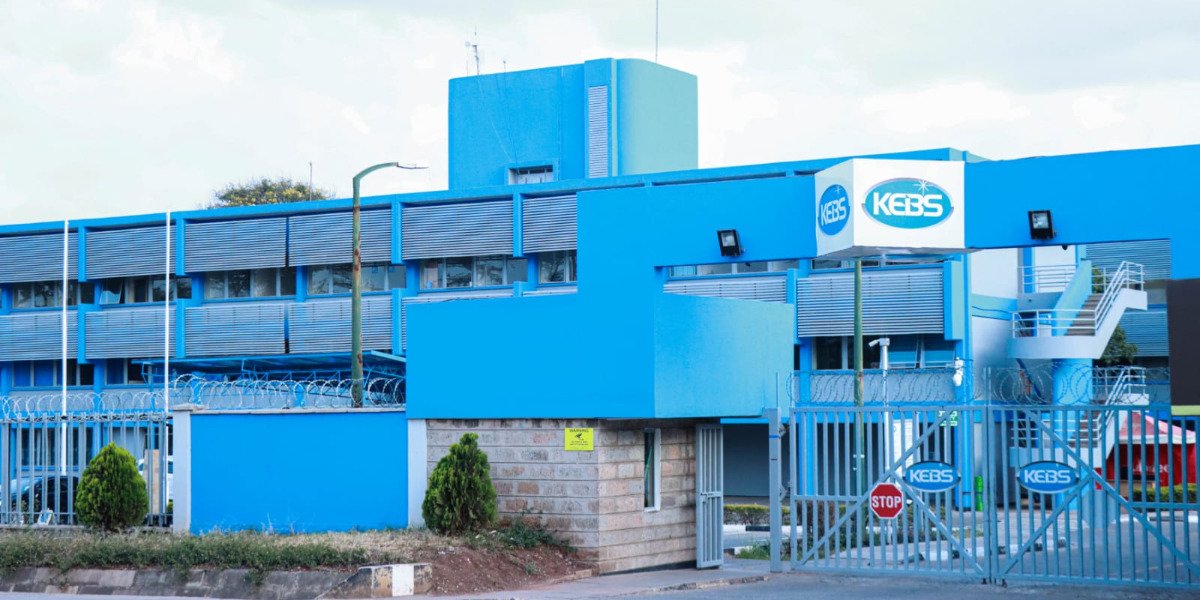
The Kenya Bureau of Standards (KEBS) has escalated its efforts to combat the proliferation of substandard electrical appliances, seizing a substantial quantity of unsafe household items in recent operations across the country.
The agency, during a targeted raid conducted Wednesday, May 21, at a manufacturing facility in Mlolongo, Machakos County, impounded a significant consignment of electric iron boxes deemed hazardous. KEBS officials confirmed that these appliances lacked essential earthing mechanisms, posing a serious risk of electrical faults, electrocution, and potential fire hazards to consumers.
"Our priority is to ensure that only safe, certified products reach Kenyan homes," stated a KEBS spokesperson. "The absence of basic safety features like proper earthing in these iron boxes is unacceptable and poses an immediate threat to public safety."
This operation forms part of a broader KEBS initiative aimed at intercepting substandard goods at the manufacturing level before they can enter the distribution network and reach consumers. The agency recognises the widespread use of electrical appliances, particularly iron boxes, in Kenyan households, making the presence of unsafe products a critical public safety concern.
Simultaneously, KEBS regulatory officers conducted operations in Nairobi’s central business district and Mombasa, resulting in the seizure of defective electrical sockets and universal power extensions. These items were found to lack essential safety features, including protective shutters and proper grounding mechanisms, which are critical in preventing electrical shocks and minimising the risk of accidents.
KEBS emphasised the gravity of the situation, highlighting that the presence of such substandard appliances significantly elevates the risk of electrocution among users. The agency reiterated the importance of strict adherence to established quality standards by all manufacturers and importers. In addition to safety concerns, KEBS also raised concerns regarding the improper labelling of imported electrical goods.
A significant number of seized items were labelled exclusively in foreign languages, primarily Chinese, in violation of Kenyan labelling regulations. This practice hinders consumers' ability to understand product usage guidelines and potential risks, undermining transparency and informed purchasing decisions.
"Clear and accessible product labelling is essential for consumer protection," the KEBS spokesperson noted. "Products sold in Kenya must provide instructions and safety information in either English or Kiswahili, our two official languages."
To empower consumers in identifying and avoiding substandard products, KEBS urged vigilance when purchasing electrical items. The agency recommended verifying product authenticity by checking for official certification marks and conducting online cross-checks through the KEBS website.
Consumers are encouraged to look for specific quality assurance seals, including the Standardisation Mark (for locally manufactured goods), the Diamond Mark of Quality (awarded for exceptional production standards), the Fortification Mark (for essential food products), and the Import Standardisation Mark of Quality (introduced in 2015 to verify the certification of imported products).
KEBS also provides a verification platform where consumers can confirm product legitimacy by sending product certification codes to 20023. Individuals who encounter suspicious goods are urged to report such instances through the KEBS official hotline 1545 for prompt regulatory action.





Comments
No comments yet — be the first.