
First Lady Rachel Ruto Confronts Harsh Realities in Ganze as Hunger and Water Issues Persist
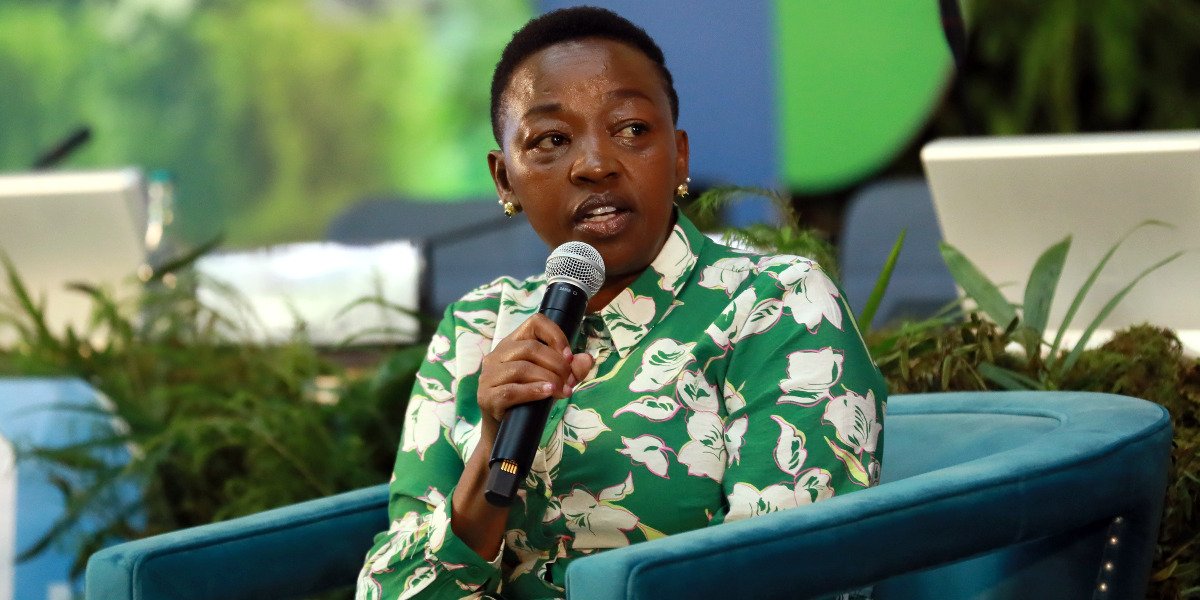
First Lady Rachel Ruto's recent visit to Kachororoni and Gandini Primary Schools in Ganze sub-county highlighted the challenges facing her "Feed One, End Hunger" programme, as a protracted water crisis threatens to undermine nutritional initiatives in the region.
During a milk distribution event on 3 July 2025, Mrs Ruto acknowledged that inconsistent water access in Ganze poses a fundamental obstacle to the sustainability of school-based kitchen gardens. The First Lady's visit served to highlight the critical need for a long-term water strategy in Kilifi, one of Kenya's most marginalised constituencies. She pledged to engage with both the county and national government to address the underlying structural issues, such as dry boreholes and salinated groundwater, that have historically hampered development efforts.
Ganze, a semi-arid region, grapples with erratic rainfall and limited piped water infrastructure. Communities are largely reliant on temporary water pans that are replenished during the wet season. These seasonal sources prove insufficient amid shifting climate patterns, leading to repeated crop failures and increasing dependence on food relief, prompting the First Lady's intervention to foster agricultural self-sufficiency.
Despite the enthusiasm for the kitchen gardening model, local educators have voiced concerns over its practical viability. Hellen Mwaringa, headteacher at Gandini Primary, emphasises that reliable water access is vital for both gardening and maintaining proper hygiene and nutritional standards. Gardens planted earlier this year are already demonstrating stunted growth and diminished yields.
While advocating for a durable solution, Mrs Ruto cautions against short-term fixes that risk wasting public resources. The First Lady aims to work with both the county and national government to find a more lasting solution to the water crisis in the area. Area MP Kenneth Kazungu noted the impact of endemic poverty on education, stating that many pupils attend school hungry, often distracted by domestic hardship. Kazungu argued that systemic interventions, including local infrastructure investment and inclusive economic development, are essential for lasting change.
Kilifi Deputy Governor Flora Chibule proposed interim measures, such as the recycling of wastewater, to support gardening activities. She highlighted the combined value of both gardening and milk programmes in boosting child nutrition and improving school retention rates.





Comments
No comments yet — be the first.