
New IEBC Commissioners Sworn in
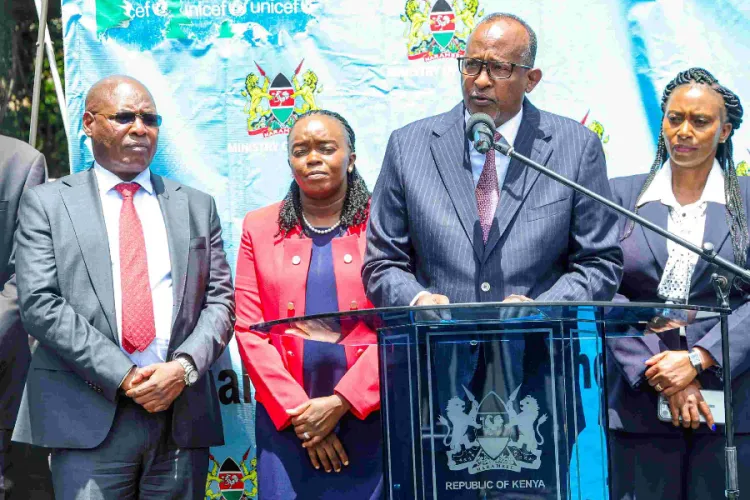
Seven new commissioners of Kenya’s Independent Electoral and Boundaries Commission (IEBC) officially began their six-year terms today after a swearing-in ceremony overseen by Chief Justice Martha Koome.
The appointments follow a High Court ruling yesterday that dismissed a legal challenge against their selection, paving the way for the revamped commission to guide the nation through its next electoral cycle. Erastus Edung Ethekon leads the commission.
The newly appointed officials—Ann Njeri Nderitu, Moses Alutalala Mukhwana, Mary Karen Sorobit, Hassan Noor Hassan, Francis Odhiambo Aduol, and Fahima Araphat Abdallah—assume their roles at a critical juncture for the IEBC, which has faced prolonged legal and political disputes.
The High Court's decision, delivered by a three-judge bench, came after activist Boniface Mwangi and lawyer Roy Omondi filed a petition questioning the fairness, composition, and qualifications of the appointees. Concerns raised included regional representation and the alleged exclusion of persons with disabilities, sparking discussions about inclusivity within Kenya's democratic institutions.
Despite President William Ruto gazetting the appointments shortly after the High Court had criticised his earlier confirmation—which occurred while a court order halting the process was still in effect—the judges found no constitutional violations. They affirmed that the selection process upheld principles of public participation, political consultation, and transparency.
The court clarified that recommendations from the National Dialogue Committee were not binding regarding IEBC appointments. The Attorney General and Parliament defended the legality of the process, arguing that the petitioners had failed to provide sufficient evidence of misconduct or legal misapplication. The court ultimately sided with the State, reinforcing the importance of separation of powers and procedural exhaustion in judicial review.




Comments
No comments yet — be the first.