
Raila Condemns ‘Shoot to Injure or Kill’ Directive, Defends Protester Rights
Kenya is embroiled in a heated debate over the government's response to escalating public demonstrations, particularly the use of force by law enforcement.
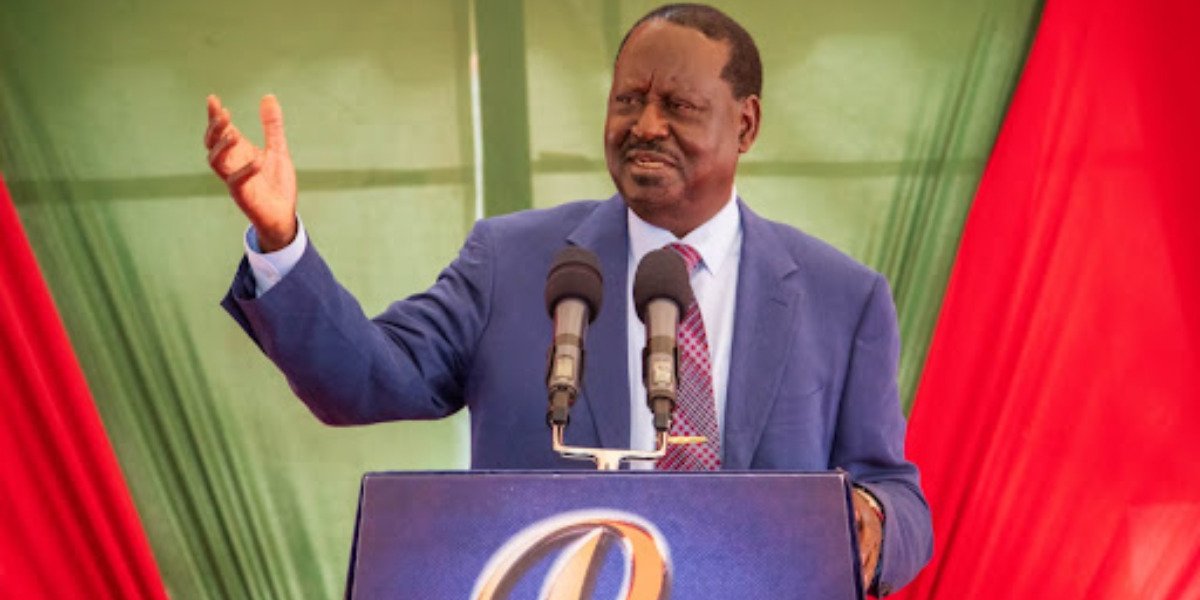
The controversy centres on recent directives issued by senior officials, including Interior Cabinet Secretary Kipchumba Murkomen and President William Ruto, which have drawn intense criticism from opposition leaders, legal experts, and human rights advocates. ODM leader Raila Odinga has strongly condemned the government's approach, describing the orders as unconstitutional and a dangerous encouragement for police officers to shoot citizens suspected of looting during protests.
In a statement released on Friday, Raila denounced any instructions that permit law enforcement to "shoot to kill, maim, disorient, or shock" civilians, asserting such measures violate the Constitution and the principles of justice. He stressed that the rule of law and due process must prevail, even during civil disorder. Raila's remarks come amidst increasing concern over the growing militarisation of policing in Kenya, especially in response to youth-led protests sweeping across major towns.
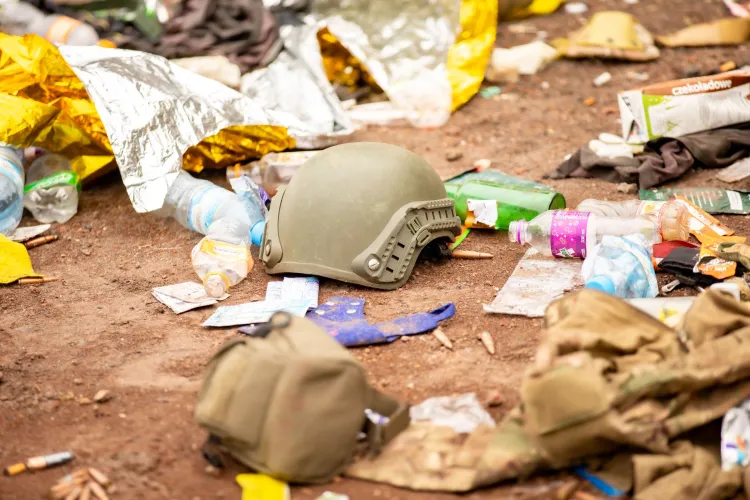
These demonstrations, often sparked by economic grievances and governance issues, have occasionally turned violent, resulting in property damage and loss of life. However, Raila maintains that the state must resist the temptation to respond with excessive or lethal force, warning such approaches have failed elsewhere on the continent and risk further destabilising the country.
"The dignity and human rights of suspects must be preserved," Raila said, urging authorities to prioritise lawful arrests and court proceedings over extrajudicial actions.
He argued that empowering police with deadly authority undermines public trust and erodes the credibility of state institutions. His call for restraint and constitutional adherence contrasts sharply with recent pronouncements from the executive branch. Interior CS Murkomen has defended his controversial "shoot-to-kill" directive, insisting police officers have the right to protect themselves and public infrastructure when under threat.
Speaking during an official function in Garsen, Murkomen reiterated his position, claiming his remarks merely echoed those of previous leaders, including former President Uhuru Kenyatta and ex-CS Fred Matiang’i. He dismissed criticism of his stance as political theatrics, accusing detractors of hypocrisy for remaining silent when similar orders were issued in the past.
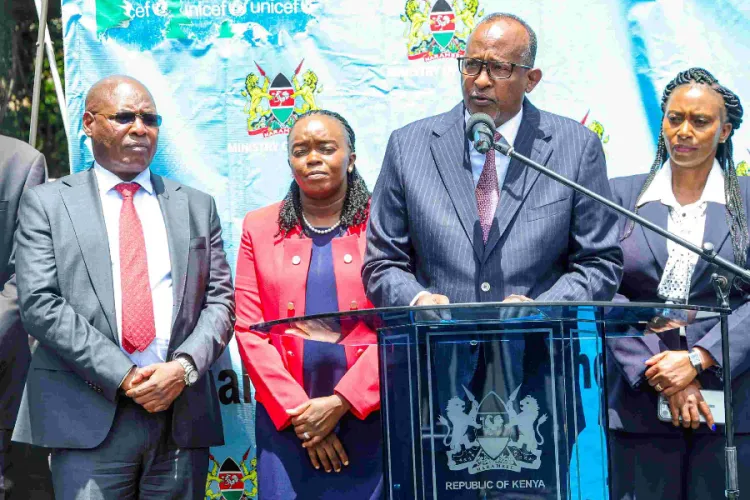
Murkomen’s rhetoric has sparked alarm among legal professionals and civil society organisations. The Law Society of Kenya (LSK) has labelled his directive "ultra vires," arguing ministers lack the legal mandate to authorise the use of firearms. According to the National Police Service Act, the deployment of lethal force is strictly regulated and reserved for situations involving imminent threats to life.
Murkomen later sought to clarify his position, saying his comments were grounded in existing legal provisions and did not constitute a new policy. President Ruto has also weighed in, issuing his own directive that police should shoot individuals who engage in looting or arson during protests—not to kill, but to incapacitate. Speaking at a public event in Kilimani, the president said that such individuals should be "shot in the legs, taken to hospital, and then to court."
While Ruto framed his order as a measured response aimed at preserving peace and protecting businesses, critics argue it still contravenes constitutional safeguards and risks legitimising excessive force. The president’s remarks have provoked a mixed response. Supporters within his administration have praised the directive as a necessary deterrent against criminal elements exploiting protests.
However, opposition figures and human rights advocates warn that the language used by Ruto and Murkomen could embolden rogue officers and lead to further abuses. The Kenya National Commission on Human Rights has already reported multiple fatalities and injuries linked to police actions during recent demonstrations.


Comments
No comments yet — be the first.